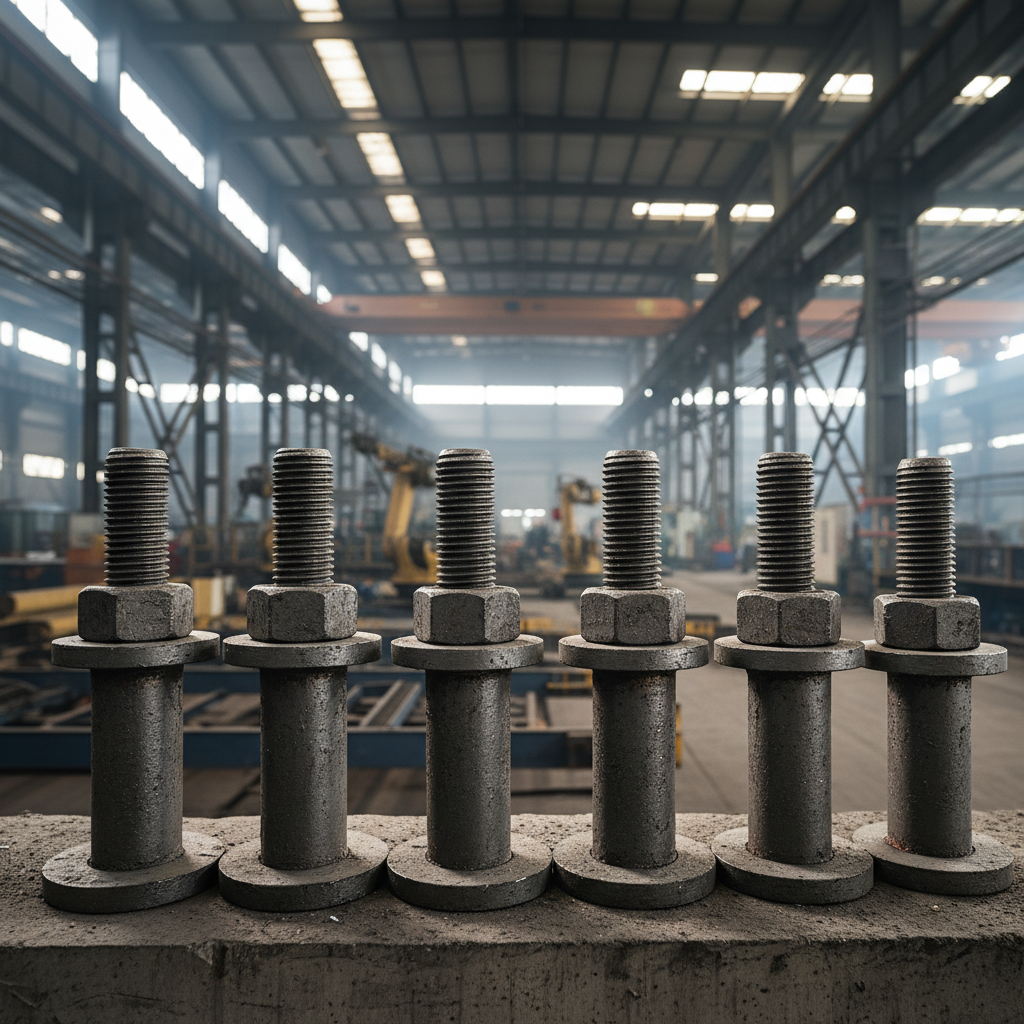
7 8 anchor bolts represent a critical component in numerous construction and engineering applications globally. Their robust design and reliable performance ensure structural integrity in diverse environments, ranging from high-rise buildings and bridges to industrial facilities and infrastructure projects. Understanding the nuances of these fasteners is paramount for ensuring safety, durability, and longevity in construction endeavors.
The increasing demand for infrastructure development worldwide, coupled with stricter safety regulations, has driven a significant need for high-quality 7 8 anchor bolts. Advancements in materials science and manufacturing processes have led to the development of more durable and corrosion-resistant anchor bolts, catering to the challenges posed by harsh operating conditions. These improvements address the growing global concern for sustainable and long-lasting infrastructure.
Beyond construction, the precision and reliability of 7 8 anchor bolts extend to specialized industries like renewable energy, where they secure wind turbine foundations and solar panel installations. This versatility positions them as indispensable elements in modern infrastructure and industrial applications, contributing to overall economic growth and stability.
The Significance of 7 8 Anchor Bolts
7 8 anchor bolts are fundamental to structural engineering, providing a secure fastening solution for attaching objects to concrete and other masonry materials. Their widespread use stems from their ability to withstand substantial tensile and shear forces, ensuring the stability of critical infrastructure. Choosing the right 7 8 anchor bolt for a specific application is therefore vital.
The significance of these fasteners extends beyond mere mechanical strength. Proper installation and material selection contribute to the longevity and safety of structures, minimizing the risk of failures and costly repairs. Engineers and construction professionals alike depend on the reliability of 7 8 anchor bolts to meet stringent building codes and safety standards.
Global Relevance and Industry Context
The construction industry is a significant driver of global economic growth, with an estimated value exceeding $10 trillion annually (source: Statista, 2023). Within this vast landscape, the demand for robust and reliable fastening solutions like 7 8 anchor bolts is constantly increasing. This demand is particularly pronounced in rapidly urbanizing regions of Asia, Africa, and South America.
According to the World Bank, infrastructure investment is crucial for sustainable development, and effective fastening systems are integral to the success of these projects. The ISO 898-1 standard outlines the mechanical properties of fasteners, including those used as 7 8 anchor bolts, ensuring consistent quality and performance across international markets. Failure to adhere to these standards can result in structural instability and safety risks.
A pressing challenge facing the industry is the increasing need for corrosion-resistant anchor bolts, especially in coastal environments and industrial settings. The use of advanced materials and protective coatings is becoming increasingly essential to mitigate the effects of corrosion and extend the service life of infrastructure projects, directly impacting the long-term cost-effectiveness of utilizing 7 8 anchor bolts.
Defining 7 8 Anchor Bolts
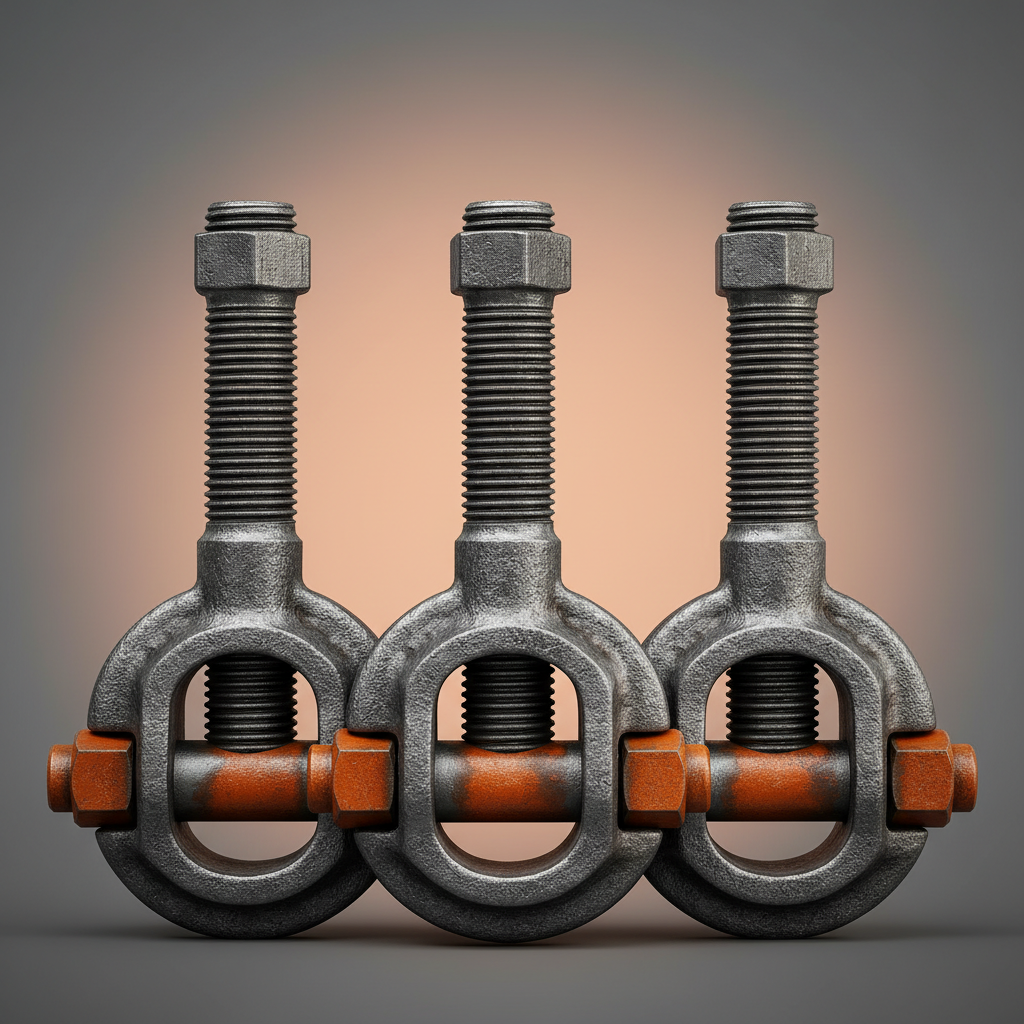
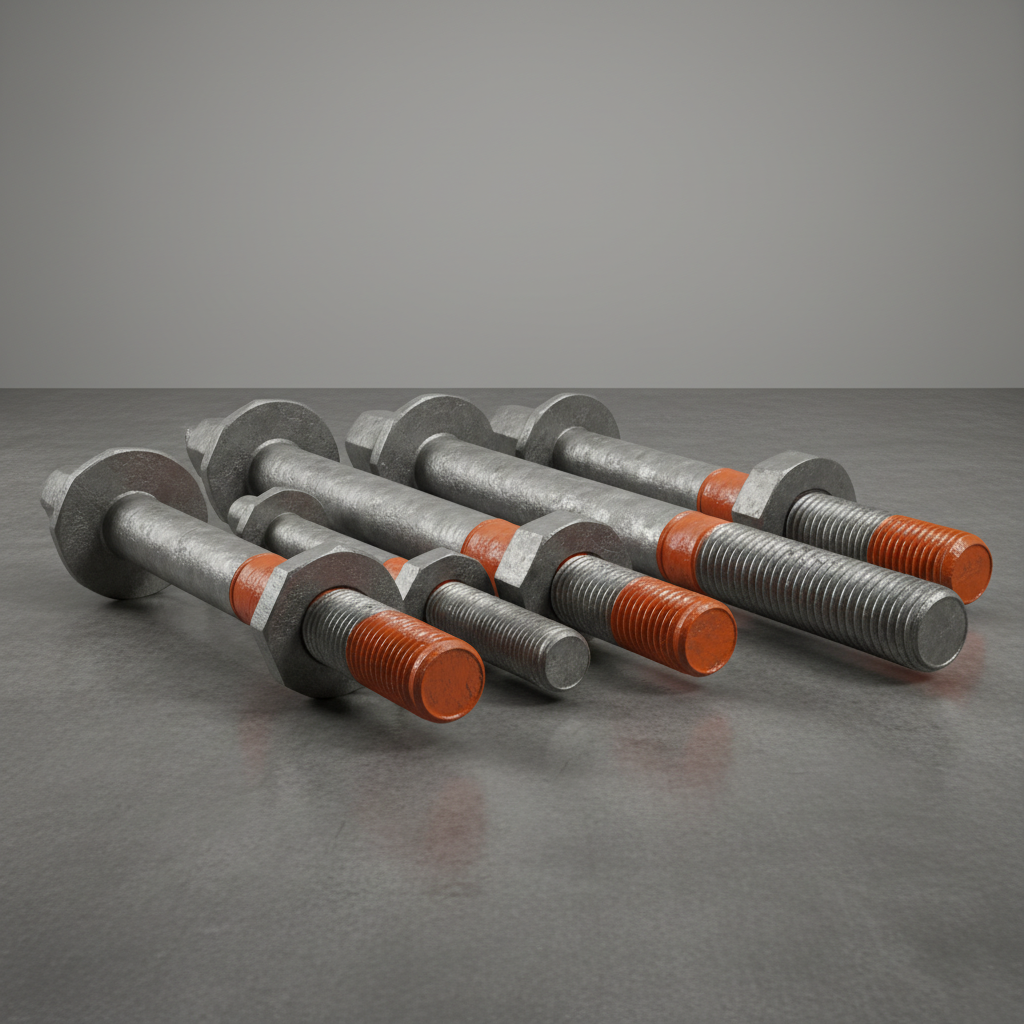
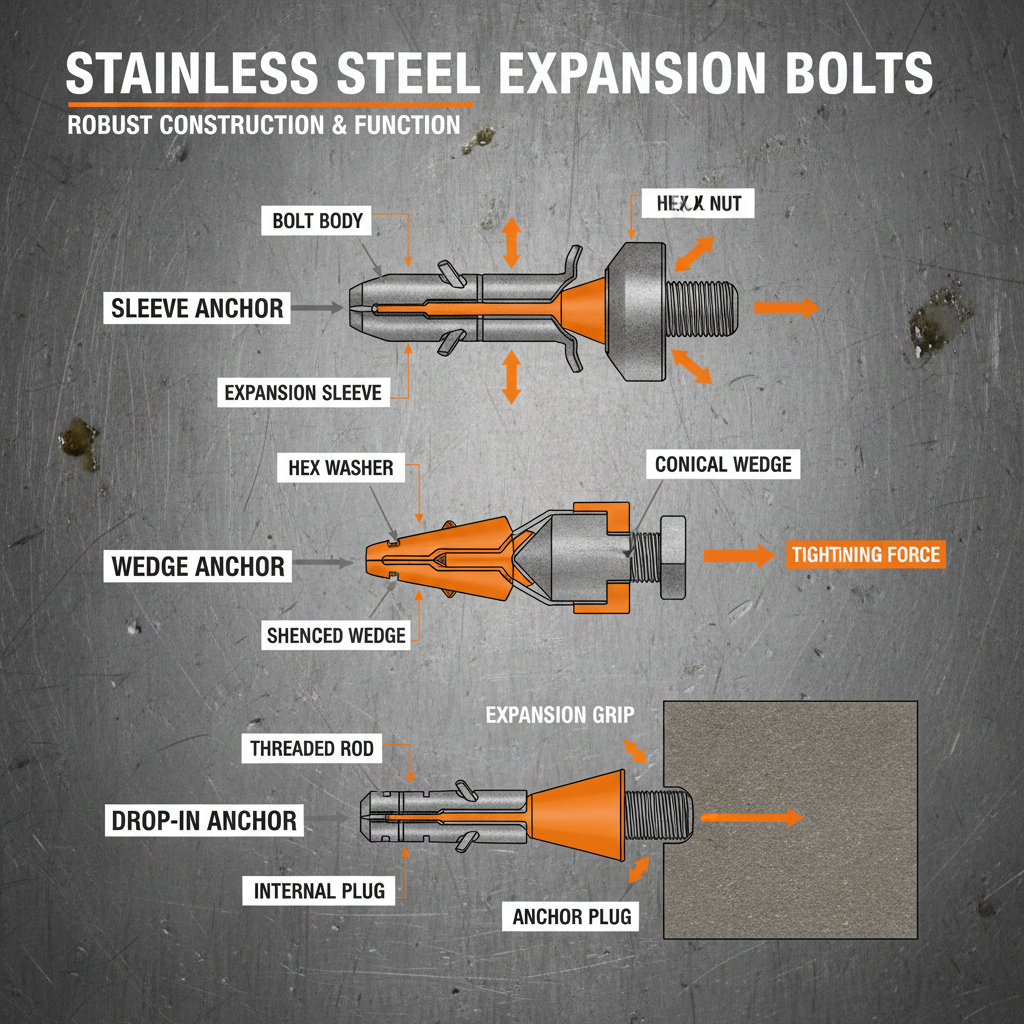
7 8 anchor bolts are a type of fastener designed to create a secure connection between structural elements and a concrete or masonry base. The “7 8” designation refers to the nominal diameter of the bolt’s shank, measuring ¾ of an inch. They are typically composed of high-strength steel and come in various types, including wedge, sleeve, and chemical anchors, each suited for specific applications and load requirements.
Their connection to modern industry goes beyond basic fastening. 7 8 anchor bolts play a crucial role in the safety and stability of vital infrastructure like bridges, tunnels, and power plants. In the context of humanitarian needs, these fasteners are also essential in the rapid deployment of emergency shelters and field hospitals, providing secure foundations in challenging environments.
Understanding the different types of 7 8 anchor bolts and their load-bearing capacities is essential for engineers and construction professionals. Proper selection and installation are critical for ensuring long-term structural integrity and preventing catastrophic failures, making them a cornerstone of modern construction practice.
Key Factors for Optimal Performance
Durability is a paramount concern when selecting 7 8 anchor bolts. The material composition, typically high-strength carbon steel, determines resistance to tensile stress and corrosion. Galvanization and stainless steel coatings are commonly applied to enhance corrosion resistance, particularly in harsh environments.
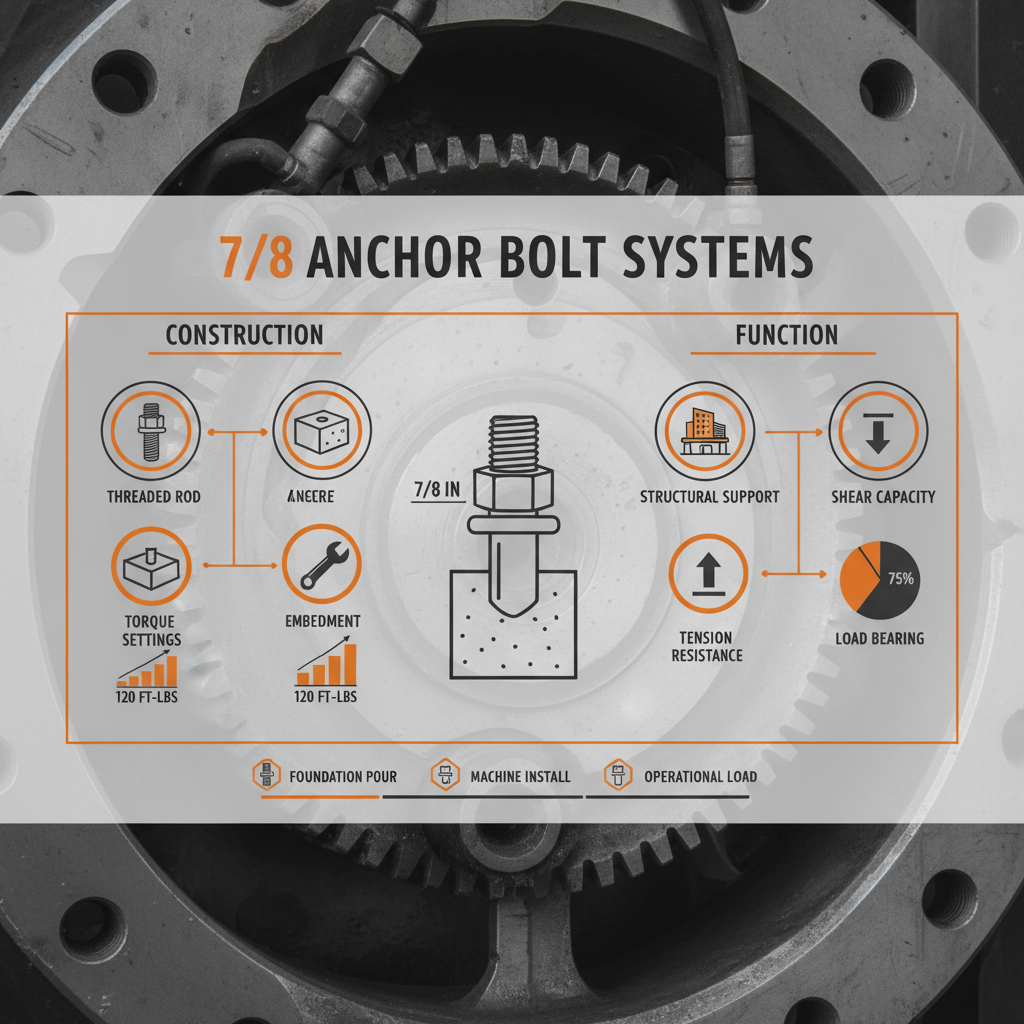
Load Capacity refers to the maximum force an anchor bolt can withstand without failure. This is determined by factors like the anchor bolt type, embedment depth, and the concrete’s compressive strength. Accurate load calculations are essential for ensuring structural safety and preventing overstressing.
7 8 Anchor Bolt Performance Metrics
Applications Across Industries
In the construction of high-rise buildings, 7 8 anchor bolts are critical for securing steel structures, cladding panels, and curtain walls, ensuring the building's stability and resistance to wind loads. They are also heavily used in bridge construction, anchoring support beams and reinforcing concrete decks.
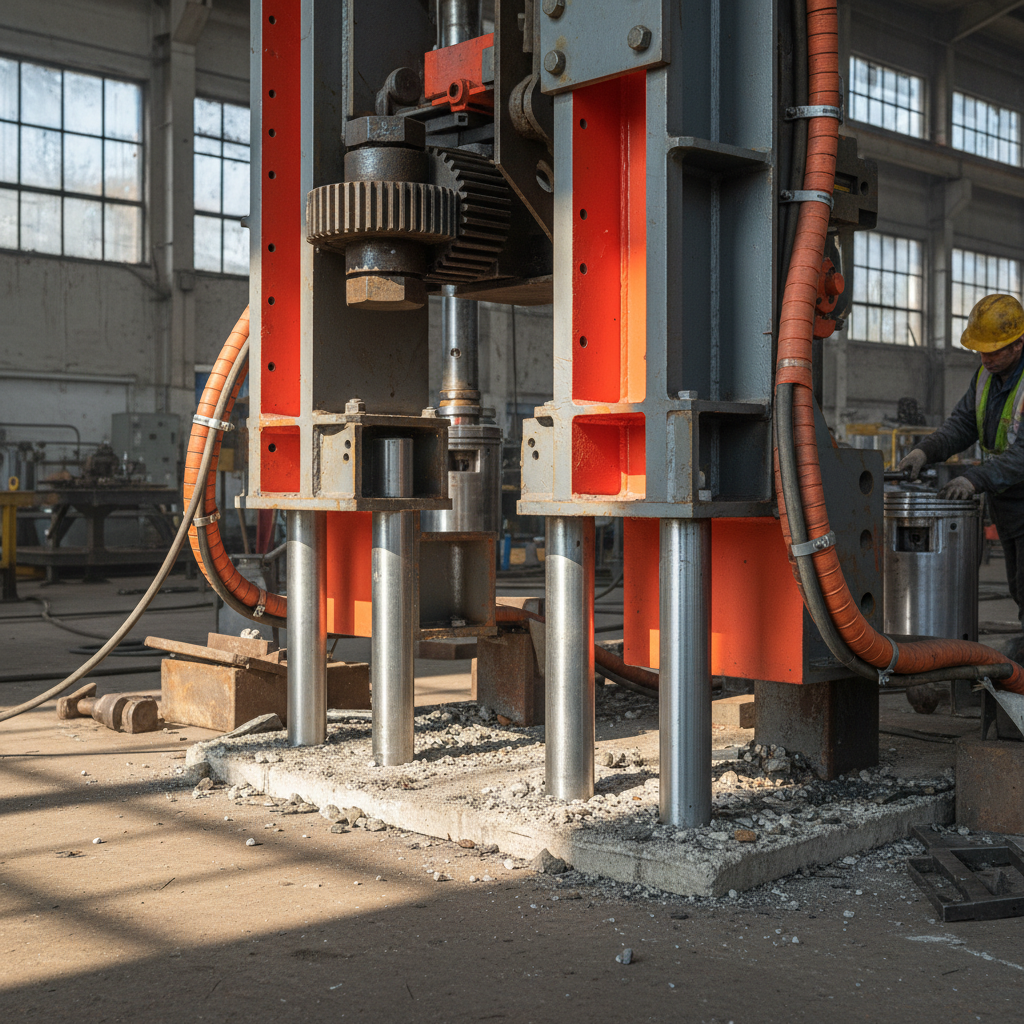
The renewable energy sector relies on 7 8 anchor bolts to securely mount wind turbine towers and solar panel arrays. The ability of these bolts to withstand extreme weather conditions and cyclical loading is essential for the long-term performance of these systems. In remote industrial zones, they are fundamental in anchoring heavy machinery and equipment.
Advantages and Long-Term Value
Utilizing 7 8 anchor bolts leads to significant cost savings over the lifespan of a project. Their durability minimizes the need for frequent replacements and repairs, reducing maintenance expenses. This also contributes to the sustainability of infrastructure by extending its operational life and reducing material waste.
The reliability of 7 8 anchor bolts translates to increased safety for occupants and users of structures. Proper installation, adhering to industry standards, builds trust in the structural integrity of a building or infrastructure project, fostering a sense of security and well-being.
Future Trends and Innovations
Ongoing research focuses on developing self-drilling 7 8 anchor bolts that simplify installation and reduce the need for pre-drilled holes. Smart anchor bolts embedded with sensors are also being explored, offering real-time monitoring of stress levels and potential failures, enhancing predictive maintenance capabilities.
The integration of digital twins and Building Information Modeling (BIM) is driving a trend toward more precise anchor bolt placement and performance analysis. These technologies enable engineers to simulate loading conditions and optimize anchor bolt designs for specific applications, minimizing risks and maximizing efficiency.
Sustainable materials, such as recycled steel and bio-based coatings, are gaining prominence as the industry seeks to reduce its environmental footprint. This aligns with broader goals of circular economy principles and responsible construction practices, further cementing the value of 7 8 anchor bolts in a green future.
FAQS
The appropriate embedment depth for 7 8 anchor bolts depends on several factors, including the type of anchor, the concrete strength, and the anticipated load. Generally, a minimum embedment depth of at least 2.5 times the bolt diameter is recommended. Always consult the manufacturer’s specifications and relevant building codes for accurate guidance. Incorrect embedment can significantly reduce the anchor’s holding capacity.
Corrosion is a major concern in marine environments. To prevent it, use stainless steel or hot-dip galvanized 7 8 anchor bolts. Applying a protective coating, such as epoxy, can also significantly enhance corrosion resistance. Proper sealing of the anchor bolt installation is crucial to prevent saltwater intrusion and long-term degradation of the metal.
Wedge anchors are designed for solid concrete and expand as the bolt is tightened, creating a mechanical interlock. Sleeve anchors, on the other hand, are suitable for both solid concrete and hollow concrete block, utilizing a sleeve that expands against the hole’s sides. Wedge anchors offer higher holding power in solid concrete, while sleeve anchors provide more versatility.
Yes, proper torque is critical for ensuring the optimal performance of 7 8 anchor bolts. Over-torquing can damage the anchor or the concrete, while under-torquing can lead to insufficient holding capacity. Always refer to the manufacturer’s specifications for the recommended torque values, and use a calibrated torque wrench during installation.
Always wear appropriate personal protective equipment (PPE), including safety glasses and gloves. Ensure the work area is well-ventilated, especially when using chemical anchors. Avoid damaging the concrete during drilling. Follow the manufacturer’s instructions carefully and consult with a qualified engineer if you are unsure about any aspect of the installation process.
Regular inspection of 7 8 anchor bolts is crucial for safety. Look for signs of corrosion, cracking, or loosening. Check for any movement or deformation in the structure being supported. If any issues are detected, immediately consult with a qualified engineer to assess the situation and determine the appropriate course of action.
Conclusion
In conclusion, 7 8 anchor bolts represent a cornerstone of modern construction and infrastructure. Their durability, reliability, and versatility make them indispensable for ensuring the safety and longevity of a wide range of structures. From high-rise buildings to renewable energy installations, these fasteners play a critical role in supporting our built environment.
Looking ahead, continued innovation in materials science and installation techniques will further enhance the performance and sustainability of 7 8 anchor bolts. Embracing smart technologies and adhering to rigorous quality control standards will be essential for maintaining their position as a vital component of a resilient and future-proof infrastructure. Visit our website at www.ytbolt.com to learn more about our comprehensive range of anchor bolt solutions.




 English
  Bengali
  Bulgarian
  Catalan
  Czech
Czech  French
  German
  Hindi
Hindi  Hungarian
  Italian
  Kazakh
  Korean
  Portuguese
  Romanian
  Slovak
  Somali
  Spanish
  Turkish