
Foundation bolts are crucial components in a vast array of construction and engineering projects globally. These seemingly simple fasteners play a pivotal role in ensuring the structural integrity and longevity of buildings, bridges, machinery, and countless other infrastructure elements. Their importance stems from their ability to securely anchor structures to concrete foundations, effectively transferring loads and resisting forces that could otherwise lead to instability or failure. Understanding the principles, types, and applications of foundation bolts is paramount for engineers, architects, and construction professionals alike.
The global demand for robust and reliable foundation solutions is driven by rapid urbanization, infrastructure development, and the increasing need for resilient structures capable of withstanding extreme conditions. The market for foundation bolts is substantial and continues to grow, fueled by investments in transportation, energy, and commercial construction. Organizations like the UN and World Bank emphasize the importance of durable infrastructure for sustainable development, directly impacting the demand for high-quality foundation bolts.
Ultimately, mastering the concepts surrounding foundation bolts is essential for building a safer, more durable, and more sustainable world. The correct selection, installation, and maintenance of these critical fasteners directly translate to enhanced safety, reduced lifecycle costs, and increased overall infrastructure resilience.
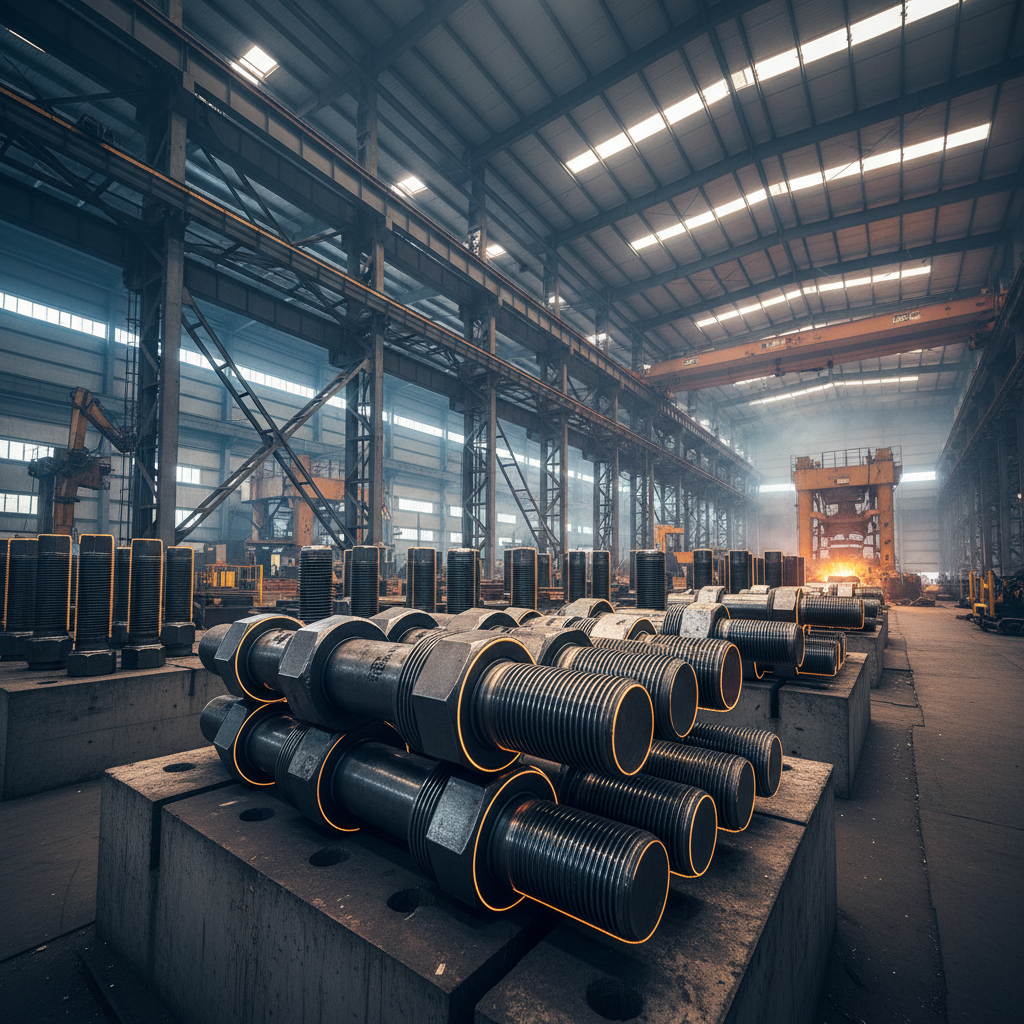
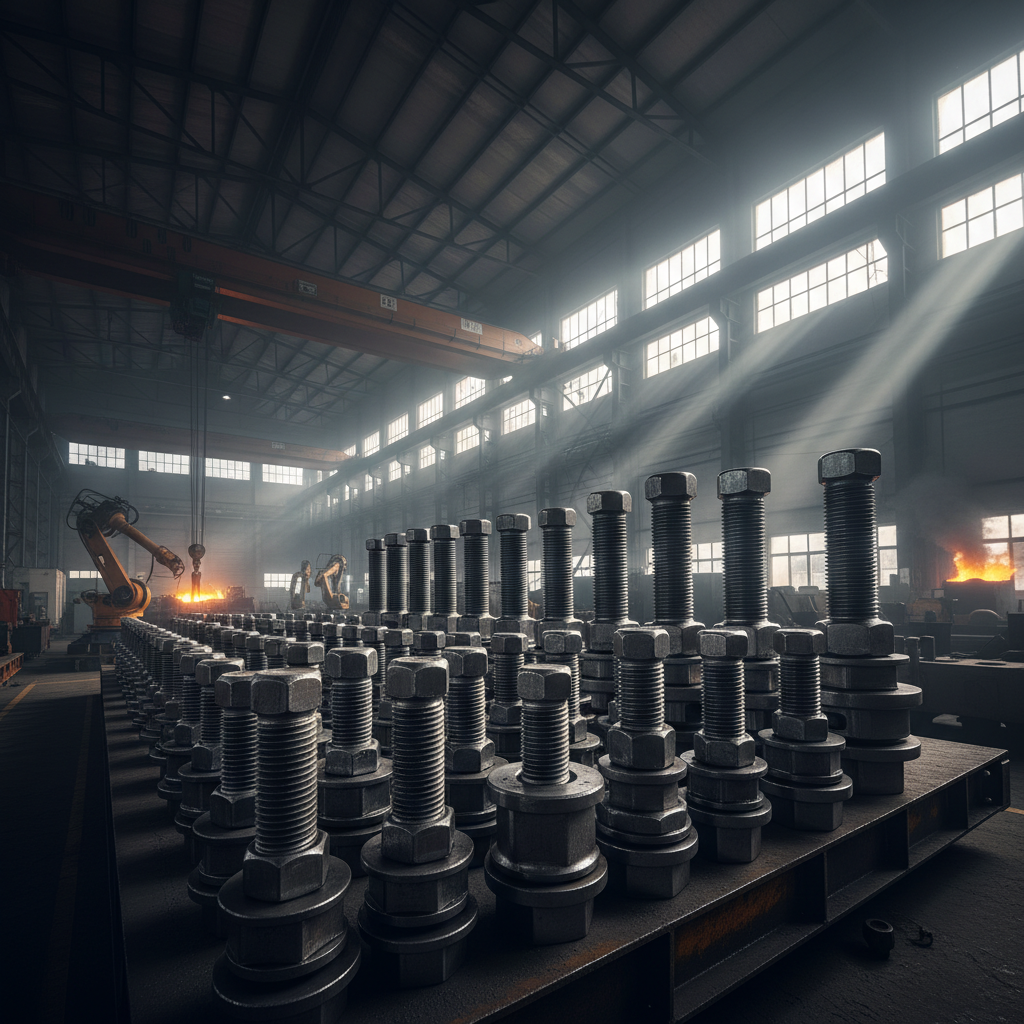
Foundation bolts are more than just fasteners; they represent the crucial link between a structure and the ground, dictating its stability and resistance to various external forces. Their correct implementation is a cornerstone of civil and mechanical engineering, impacting project safety, longevity, and cost-effectiveness. From towering skyscrapers to intricate machinery, the integrity of these structures depends on the reliable performance of the foundation bolts securing them.
The selection of appropriate foundation bolts considers factors like load capacity, material compatibility, environmental conditions, and installation requirements. Improperly chosen or installed bolts can lead to structural failures, costly repairs, and even catastrophic events. Therefore, a comprehensive understanding of foundation bolt properties and best practices is non-negotiable for anyone involved in construction or engineering.
When choosing foundation bolts, consider the load type (tensile, shear, combined), environmental conditions (corrosive, temperature fluctuations), concrete strength, and the material compatibility of the bolt. Proper assessment ensures the bolt can withstand the intended forces and maintain long-term integrity. Accurate load calculations and adherence to industry standards are essential.
Proper installation is critical. Common mistakes include incorrect embedment depth, insufficient torque, improper spacing, and failure to adequately clean the holes before installation. Following manufacturer’s specifications and employing qualified personnel are crucial. Incorrect installation can significantly reduce the load-bearing capacity and compromise the structural integrity of the connection.
Stainless steel offers superior corrosion resistance compared to carbon steel, making it ideal for harsh environments like marine or chemical plants. While typically more expensive upfront, stainless steel bolts minimize the risk of rust and degradation, reducing maintenance costs and extending the lifespan of the structure. This translates to long-term cost savings and enhanced reliability.
The appropriate embedment depth depends on several factors, including the bolt diameter, concrete strength, applied load, and edge distance. Engineering calculations based on relevant building codes and standards, such as ACI 318, are essential. Insufficient embedment can lead to concrete cone failure, while excessive embedment may not provide additional benefit and can increase material costs.
Regular inspections for signs of corrosion, loosening, or damage are vital. Periodic re-tightening of bolts, especially in structures subjected to dynamic loads, can prevent loosening. Protective coatings should be inspected and reapplied as needed. Detailed records of inspections and maintenance activities should be maintained for future reference.
Addressing corrosion depends on the severity. Mild corrosion can be treated by cleaning and applying a protective coating. Severely corroded bolts may require replacement. Implementing cathodic protection systems or using corrosion inhibitors can help prevent further corrosion. Consulting with a structural engineer is crucial for assessing the extent of damage and determining the appropriate remediation strategy.
In summary, foundation bolts are far more than simple fasteners. They are fundamental elements in ensuring the safety, durability, and longevity of structures worldwide. Their correct selection, installation, and maintenance are critical for preventing failures, minimizing costs, and promoting sustainable infrastructure development. Understanding the key characteristics, global applications, and future trends surrounding foundation bolts is essential for professionals in the construction and engineering fields.
Looking ahead, continued innovation in materials, sensor technology, and self-healing concrete will further enhance the performance and reliability of foundation bolts. By embracing these advancements and prioritizing best practices, we can build a more resilient and sustainable future, supported by robust and dependable foundations. Visit our website at www.ytbolt.com to explore our range of high-quality foundation bolt solutions.



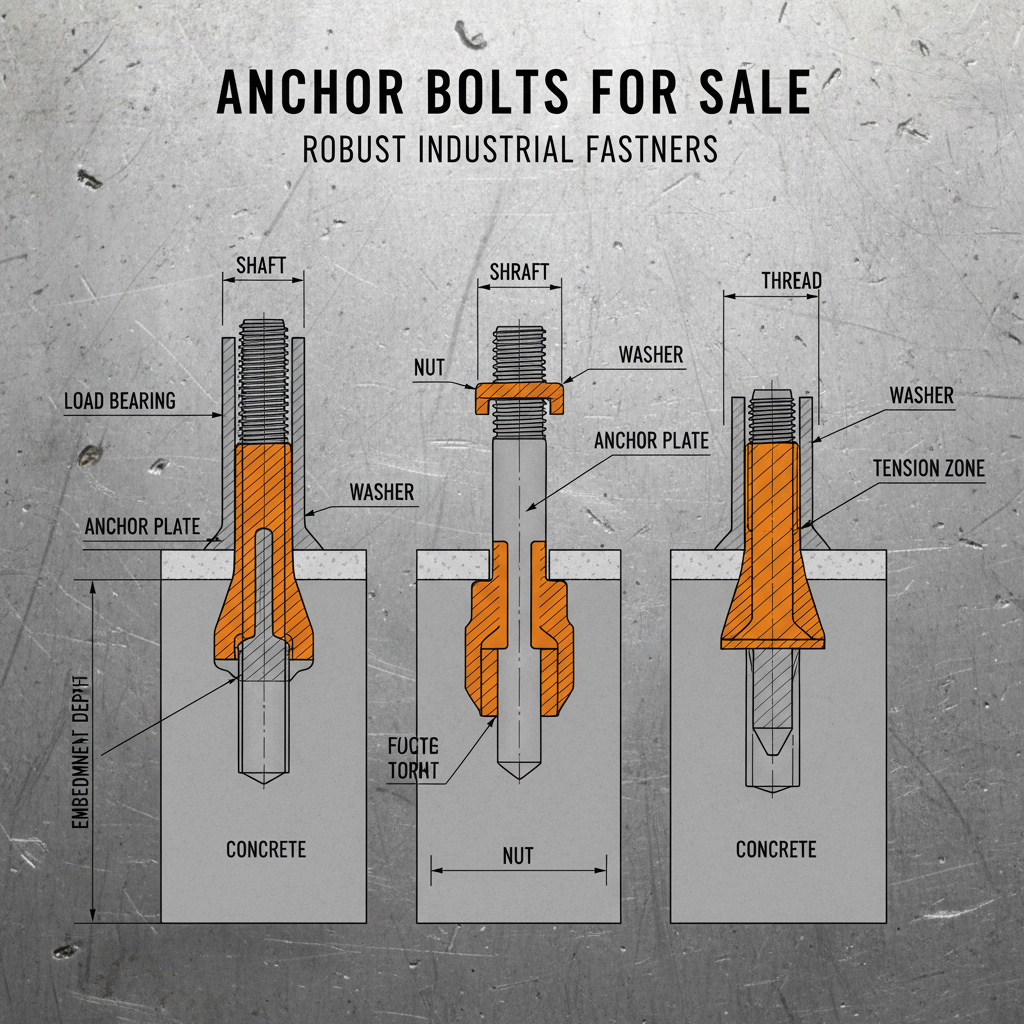
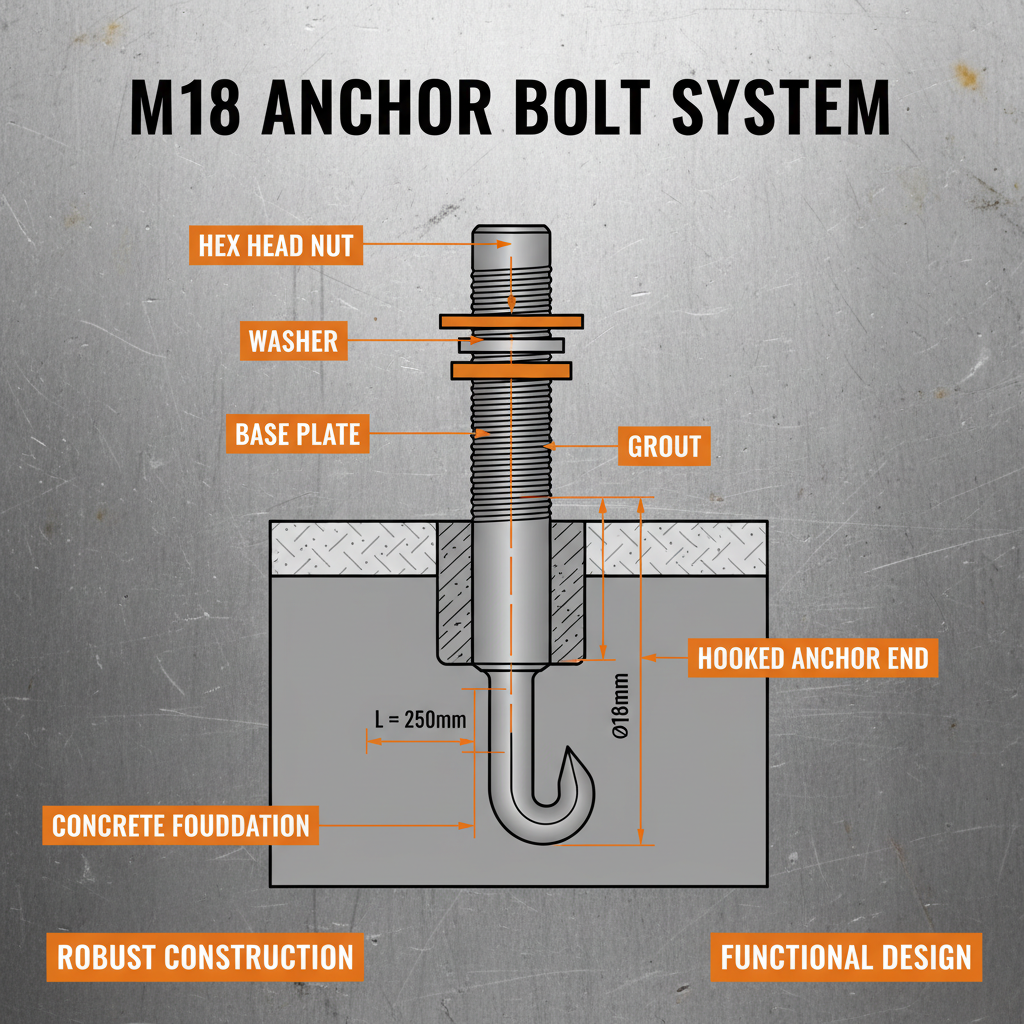
 English
  Bengali
  Bulgarian
  Catalan
  Czech
Czech  French
  German
  Hindi
Hindi  Hungarian
  Italian
  Kazakh
  Korean
  Portuguese
  Romanian
  Slovak
  Somali
  Spanish
  Turkish