0%

Table of Contents

Foundation bolts are crucial components in a vast array of construction and engineering projects globally. These seemingly simple fasteners play a pivotal role in ensuring the structural integrity and longevity of buildings, bridges, machinery, and countless other infrastructure elements. Their importance stems from their ability to securely anchor structures to concrete foundations, effectively transferring loads and resisting forces that could otherwise lead to instability or failure. Understanding the principles, types, and applications of foundation bolts is paramount for engineers, architects, and construction professionals alike.

The global demand for robust and reliable foundation solutions is driven by rapid urbanization, infrastructure development, and the increasing need for resilient structures capable of withstanding extreme conditions. The market for foundation bolts is substantial and continues to grow, fueled by investments in transportation, energy, and commercial construction. Organizations like the UN and World Bank emphasize the importance of durable infrastructure for sustainable development, directly impacting the demand for high-quality foundation bolts.

Ultimately, mastering the concepts surrounding foundation bolts is essential for building a safer, more durable, and more sustainable world. The correct selection, installation, and maintenance of these critical fasteners directly translate to enhanced safety, reduced lifecycle costs, and increased overall infrastructure resilience.
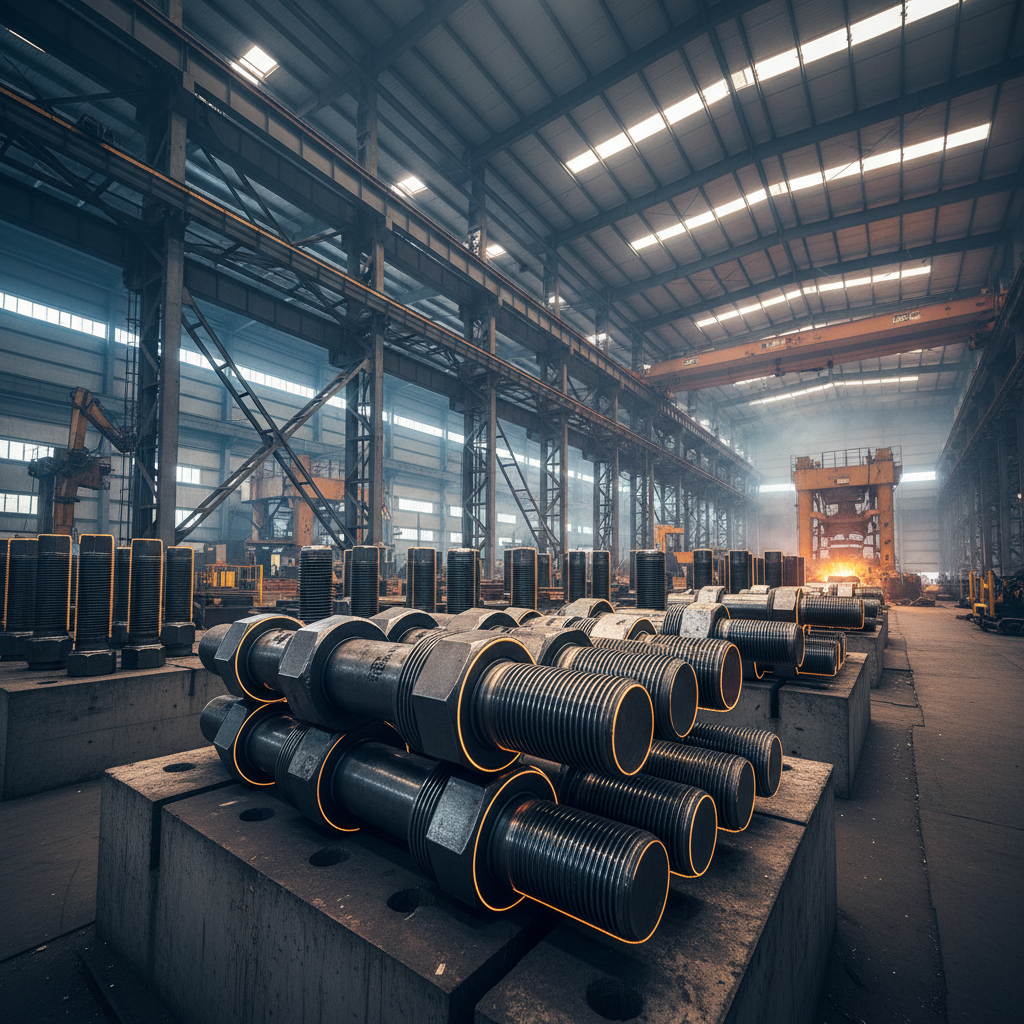
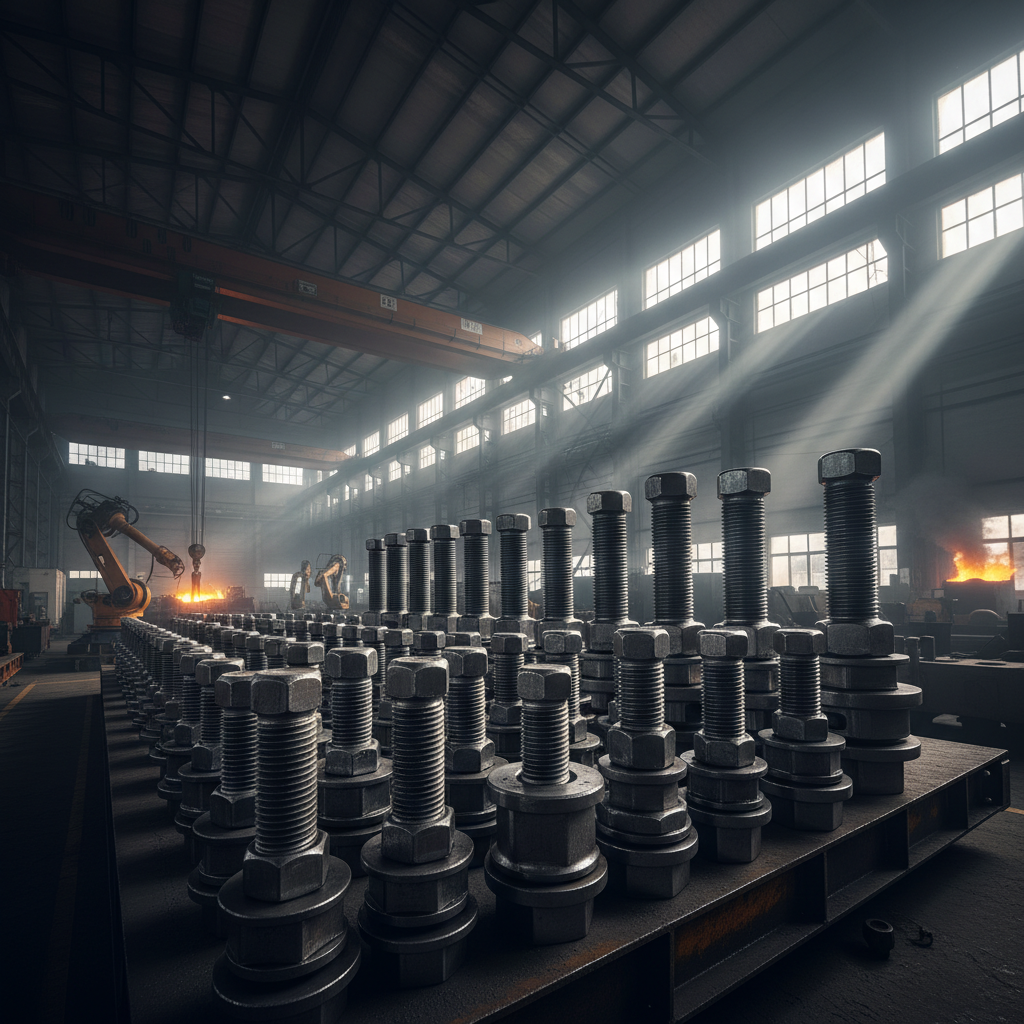
The Critical Role of Foundation Bolts in Modern Construction and Engineering

The Significance of Foundation Bolts

The Critical Role of Foundation Bolts in Modern Construction and Engineering

Foundation bolts are more than just fasteners; they represent the crucial link between a structure and the ground, dictating its stability and resistance to various external forces. Their correct implementation is a cornerstone of civil and mechanical engineering, impacting project safety, longevity, and cost-effectiveness. From towering skyscrapers to intricate machinery, the integrity of these structures depends on the reliable performance of the foundation bolts securing them.

The selection of appropriate foundation bolts considers factors like load capacity, material compatibility, environmental conditions, and installation requirements. Improperly chosen or installed bolts can lead to structural failures, costly repairs, and even catastrophic events. Therefore, a comprehensive understanding of foundation bolt properties and best practices is non-negotiable for anyone involved in construction or engineering.

Defining Foundation Bolts

Foundation bolts, also known as anchor bolts, are specialized fasteners used to connect structural or mechanical components – like steel columns, machinery bases, or precast concrete elements – to concrete foundations. They typically comprise a threaded portion embedded in the concrete during the pouring process, along with a projecting end for attaching the structure. This ensures a robust and direct transfer of loads from the structure to the foundation.

In modern industry, foundation bolts are integral to a wide range of applications. Consider the rapid deployment of industrial equipment in manufacturing facilities or the secure anchoring of wind turbines to their concrete bases. Their use extends beyond physical construction, influencing everything from energy production to manufacturing efficiency.

The function of foundation bolts is directly tied to the need for secure, stable, and long-lasting structures. They contribute to humanitarian needs by enabling the construction of durable shelters and infrastructure in disaster-prone areas, facilitating rapid recovery and rebuilding efforts.

Core Characteristics of Foundation Bolts

Durability is a key characteristic of foundation bolts. They must withstand corrosive environments, fluctuating temperatures, and continuous stress without compromising their integrity. Material selection – often high-strength steel with protective coatings – is critical to ensuring longevity and preventing premature failure.

Load Capacity defines the maximum force a foundation bolt can safely bear. This is determined by factors such as bolt diameter, material strength, embedment depth, and concrete quality. Engineers carefully calculate the required load capacity to ensure the foundation bolts can support the intended structure or equipment.

Corrosion Resistance is paramount, particularly in marine environments or areas exposed to harsh chemicals. Specialized coatings like galvanization, epoxy, or stainless steel alloys are used to protect the bolts from rust and degradation, extending their lifespan and maintaining their structural integrity.

Key Performance Indicators of Foundation Bolts

The tensile strength of foundation bolts directly relates to their ability to resist pulling forces. Higher tensile strength bolts can support heavier loads and are crucial in applications where uplift forces are significant.

Shear strength indicates a foundation bolt's capacity to withstand forces acting perpendicular to its axis. This is particularly important when considering lateral loads from wind, earthquakes, or machinery vibrations.

Foundation Bolt Performance Comparison


Global Applications of Foundation Bolts

Foundation bolts are extensively used in the construction of high-rise buildings, providing the essential connection between the steel framework and the concrete foundation. Their reliability is paramount in ensuring the structural stability of these towering structures, particularly in earthquake-prone regions.

In the renewable energy sector, foundation bolts are critical for anchoring wind turbines to their concrete bases, withstanding immense wind loads and ensuring the long-term operation of these clean energy sources. They’re also crucial for securing solar panel arrays in large-scale solar farms.

Long-Term Benefits of Utilizing Foundation Bolts

The use of high-quality foundation bolts translates to significant cost savings over the lifespan of a structure. By preventing premature failure and reducing the need for frequent repairs or replacements, they minimize maintenance expenses and downtime.

Employing durable and corrosion-resistant foundation bolts promotes sustainability by extending the service life of infrastructure, reducing material consumption, and minimizing waste. Their contribution to structural safety and resilience enhances overall societal well-being and fosters trust in engineering solutions.

Future Trends in Foundation Bolt Technology

Research is actively focused on developing self-healing concrete, which incorporates materials that can automatically repair cracks, enhancing the durability of the concrete surrounding foundation bolts and extending their lifespan.

Smart foundation bolts equipped with sensors are emerging, enabling real-time monitoring of stress, strain, and corrosion levels. This data allows for proactive maintenance and early detection of potential problems, preventing catastrophic failures.

The adoption of advanced materials, such as fiber-reinforced polymer (FRP) composites, is also gaining traction. These materials offer superior strength-to-weight ratios and exceptional corrosion resistance, potentially revolutionizing foundation bolt design and performance.

Key Factors Influencing Foundation Bolt Selection

Load Type Environmental Conditions Concrete Strength Bolt Material
Static Load Mild Climate 30 MPa Carbon Steel
Dynamic Load Marine Environment 40 MPa Stainless Steel
Tensile Load High Humidity 25 MPa Galvanized Steel
Shear Load Industrial Area 35 MPa Alloy Steel
Combined Load Extreme Temperatures 50 MPa High-Strength Steel
Cyclic Load Chemical Exposure 45 MPa Epoxy-Coated Steel

FAQS

What factors should be considered when selecting the appropriate foundation bolt for a specific application?

When choosing foundation bolts, consider the load type (tensile, shear, combined), environmental conditions (corrosive, temperature fluctuations), concrete strength, and the material compatibility of the bolt. Proper assessment ensures the bolt can withstand the intended forces and maintain long-term integrity. Accurate load calculations and adherence to industry standards are essential.

How important is proper installation of foundation bolts, and what are some common mistakes to avoid?

Proper installation is critical. Common mistakes include incorrect embedment depth, insufficient torque, improper spacing, and failure to adequately clean the holes before installation. Following manufacturer’s specifications and employing qualified personnel are crucial. Incorrect installation can significantly reduce the load-bearing capacity and compromise the structural integrity of the connection.

What are the advantages of using stainless steel foundation bolts over carbon steel bolts?

Stainless steel offers superior corrosion resistance compared to carbon steel, making it ideal for harsh environments like marine or chemical plants. While typically more expensive upfront, stainless steel bolts minimize the risk of rust and degradation, reducing maintenance costs and extending the lifespan of the structure. This translates to long-term cost savings and enhanced reliability.

How can I determine the appropriate embedment depth for a foundation bolt?

The appropriate embedment depth depends on several factors, including the bolt diameter, concrete strength, applied load, and edge distance. Engineering calculations based on relevant building codes and standards, such as ACI 318, are essential. Insufficient embedment can lead to concrete cone failure, while excessive embedment may not provide additional benefit and can increase material costs.

What maintenance procedures should be followed to ensure the longevity of foundation bolts?

Regular inspections for signs of corrosion, loosening, or damage are vital. Periodic re-tightening of bolts, especially in structures subjected to dynamic loads, can prevent loosening. Protective coatings should be inspected and reapplied as needed. Detailed records of inspections and maintenance activities should be maintained for future reference.

How do I address corrosion issues in existing foundation bolts?

Addressing corrosion depends on the severity. Mild corrosion can be treated by cleaning and applying a protective coating. Severely corroded bolts may require replacement. Implementing cathodic protection systems or using corrosion inhibitors can help prevent further corrosion. Consulting with a structural engineer is crucial for assessing the extent of damage and determining the appropriate remediation strategy.

Conclusion

In summary, foundation bolts are far more than simple fasteners. They are fundamental elements in ensuring the safety, durability, and longevity of structures worldwide. Their correct selection, installation, and maintenance are critical for preventing failures, minimizing costs, and promoting sustainable infrastructure development. Understanding the key characteristics, global applications, and future trends surrounding foundation bolts is essential for professionals in the construction and engineering fields.

Looking ahead, continued innovation in materials, sensor technology, and self-healing concrete will further enhance the performance and reliability of foundation bolts. By embracing these advancements and prioritizing best practices, we can build a more resilient and sustainable future, supported by robust and dependable foundations. Visit our website at www.ytbolt.com to explore our range of high-quality foundation bolt solutions.

Robert Miller

Robert Miller

Robert Miller is a seasoned Quality Control Engineer at Hebei Yuetong Fasteners Manufacturing Co., Ltd., with over 15 years of experience in the fastener industry. He’s instrumental in ensuring all products meet stringent ISO9001 and CE certification standards. Robert specializes in analyzing material compositions, conducting rigorous testing procedures, and implementing
Previous The Essential Guide to M12 Anchor Bolts for Secure Fastening Solutions
Next The Essential Role of M16 Anchor Bolts in Modern Construction and Infrastructure
en_USEnglish