
Ground bolts are foundational fasteners critical across a vast spectrum of industries, from construction and infrastructure to renewable energy and manufacturing. Their robust design and reliable performance ensure structural integrity in diverse applications, safeguarding lives and assets. Understanding the nuances of ground bolts—material composition, load-bearing capacity, and installation techniques—is paramount for engineers, contractors, and maintenance personnel alike. The global reliance on secure fastening solutions positions ground bolts as a cornerstone of modern development.
The significance of ground bolts extends beyond mere structural support. They represent a commitment to safety, durability, and long-term cost-effectiveness. Globally, billions of ground bolts are utilized annually, supporting critical infrastructure like bridges, buildings, and wind turbines. Standards organizations like ISO and ASTM play a crucial role in defining quality parameters and ensuring consistent performance. Addressing challenges in corrosion resistance, material sourcing, and installation efficiency directly contributes to safer, more sustainable built environments.
As global construction booms and infrastructure demands escalate, the demand for high-quality, dependable ground bolts continues to grow. The advancements in materials science and manufacturing processes have led to the development of specialized ground bolts designed for extreme environments and high-stress applications, further solidifying their importance in ensuring resilience and longevity across various industries.
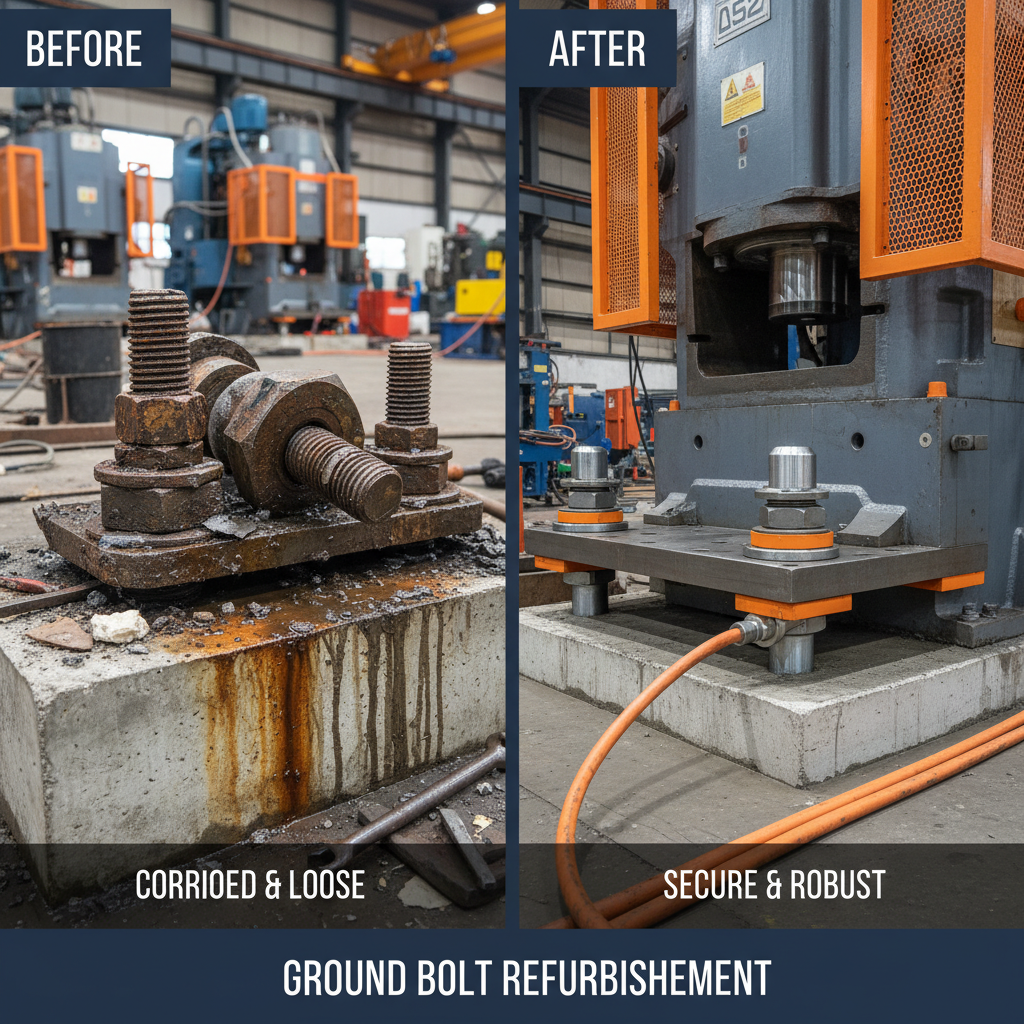
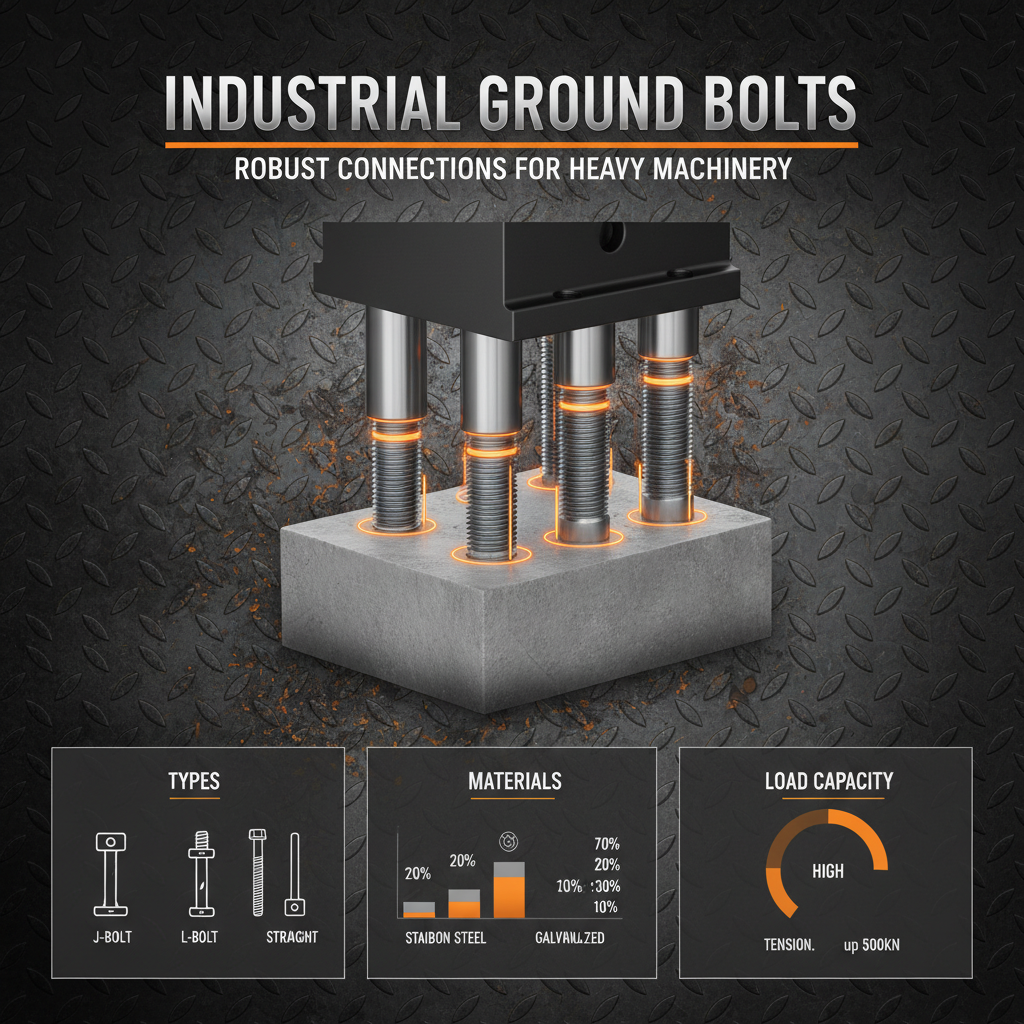
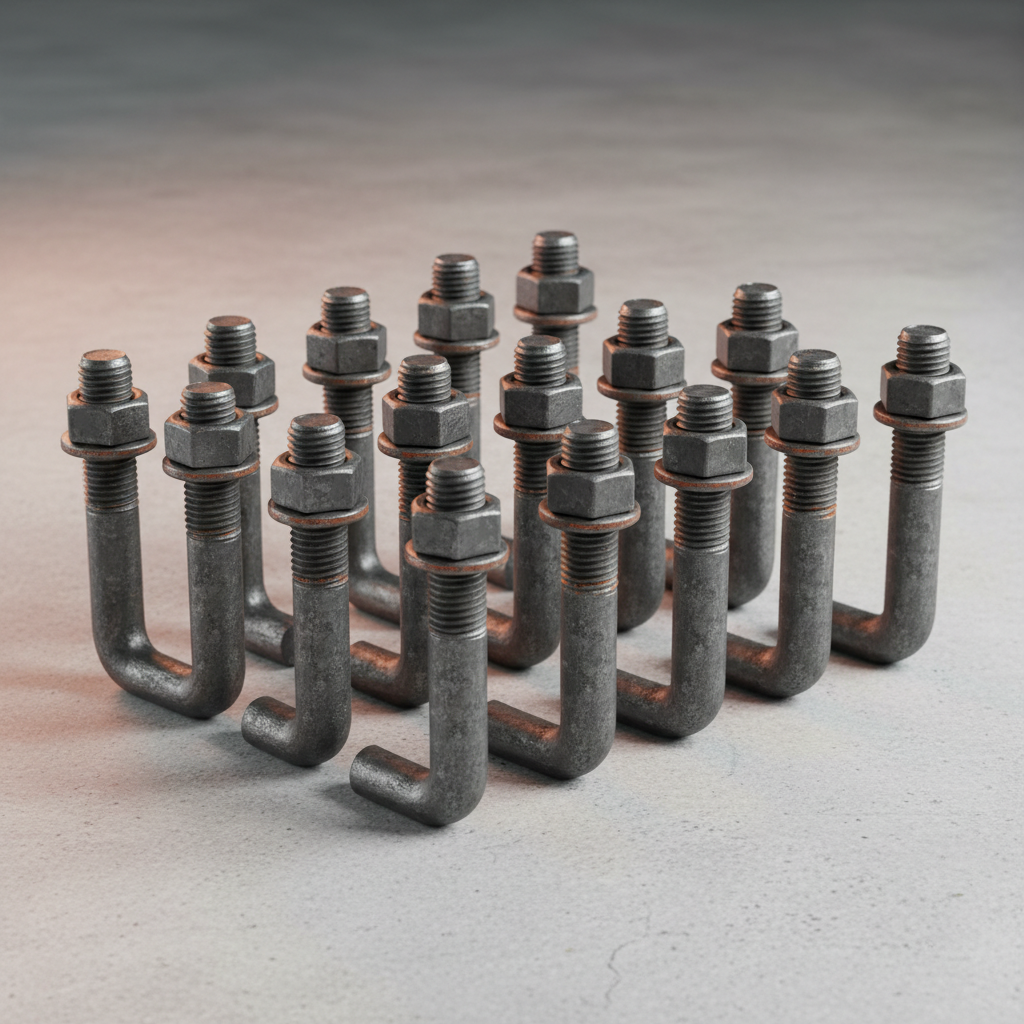
Ground bolts are indispensable in creating stable and secure structures. They are frequently used in scenarios where direct concrete embedding or soil anchoring is required. These bolts are more than just fasteners; they represent a commitment to long-term reliability and safety in construction and engineering projects.
The quality of ground bolts directly impacts the structural integrity of buildings, bridges, and various industrial installations. Selecting the appropriate ground bolts for specific applications, considering factors like material strength and corrosion resistance, is crucial for preventing structural failures and ensuring public safety. A robust and properly installed ground bolt system forms the backbone of numerous critical infrastructure components.
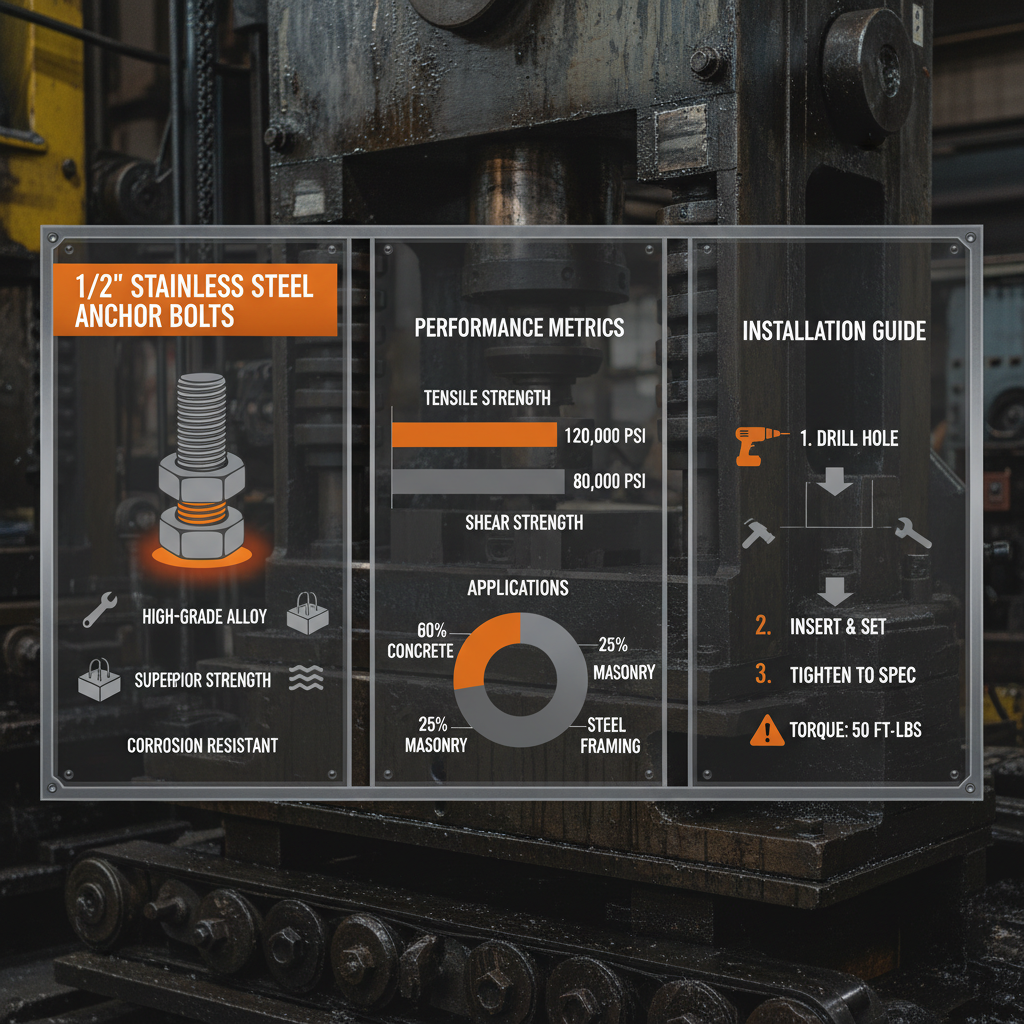
Galvanized steel ground bolts utilize a zinc coating to provide corrosion resistance, making them a cost-effective option for many applications. However, stainless steel ground bolts, particularly those made from 316 alloy, offer superior corrosion resistance, especially in harsh marine environments or exposure to de-icing salts. Stainless steel generally provides a longer service life and requires less maintenance, but at a higher initial cost.
Soil conditions are crucial. Sandy or loose soils require bolts with larger diameters or specialized anchoring systems to distribute the load effectively. Clay soils can create corrosion challenges due to their moisture retention. Rocky soils require robust bolts capable of withstanding the stress of installation. A thorough soil analysis is essential for selecting the appropriate ground bolt type and installation method.
Proper torque is critical for ensuring a secure connection. The torque specification varies depending on the bolt size, material, and application. Always consult the manufacturer's recommendations and industry standards. Using a calibrated torque wrench is essential to avoid over-tightening, which can damage the bolt or the base material, or under-tightening, which can compromise the connection.
Several measures can prevent corrosion. Use corrosion-resistant materials like stainless steel or galvanized steel. Apply protective coatings to the bolt threads. Ensure proper drainage around the bolt installation to prevent water accumulation. Consider using sacrificial anodes in highly corrosive environments. Regular inspection and maintenance are also crucial.
A ground bolt inspection program proactively identifies potential issues like corrosion, loosening, or damage before they lead to structural failures. Regular inspections help to extend the service life of the bolts, reduce maintenance costs, and improve overall safety. Inspection programs should include visual assessments, torque checks, and non-destructive testing methods.
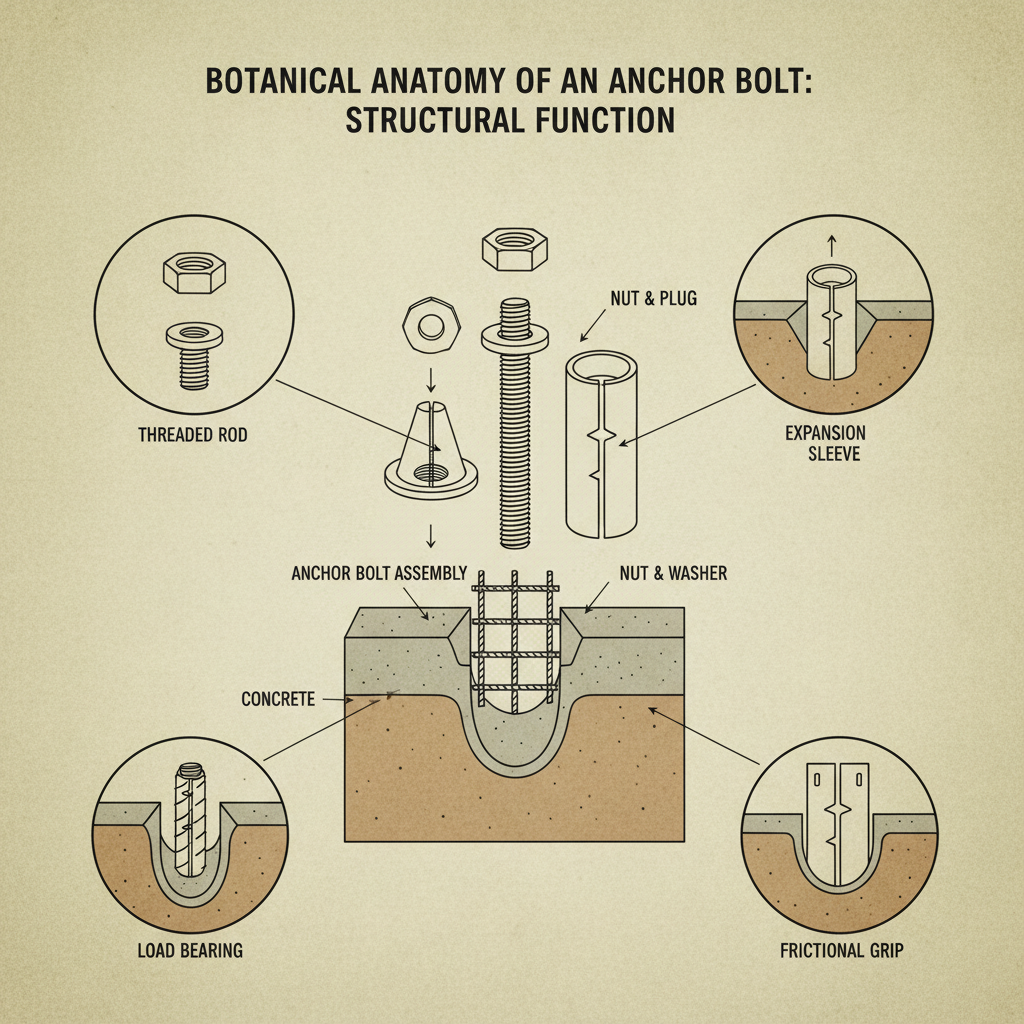
Advancements include the development of expanding anchors that provide increased holding power in challenging soil conditions, as well as chemical anchors that utilize resin to bond the bolt to the substrate. Self-drilling ground screws are also gaining popularity for faster and easier installation in certain applications. Digital monitoring systems are being integrated to track bolt performance in real-time.
Ground bolts remain a vital component of modern infrastructure and construction, providing the secure foundations upon which our built environment relies. Understanding their properties, appropriate applications, and emerging technologies is essential for engineers, contractors, and anyone involved in structural design and maintenance. The continued innovation in materials, anchoring techniques, and monitoring systems promises to enhance the durability, safety, and sustainability of ground bolt solutions for years to come.
Looking ahead, a greater emphasis on preventative maintenance, utilizing smart technologies to monitor bolt performance, and adopting sustainable materials will be critical to maximizing the long-term value of ground bolts. Investing in high-quality ground bolts and adhering to industry best practices is not merely a matter of cost-effectiveness—it’s a commitment to safety, resilience, and a more sustainable future. For premium ground bolt solutions, visit our website: www.ytbolt.com.



 English
  Bengali
  Bulgarian
  Catalan
  Czech
Czech  French
  German
  Hindi
Hindi  Hungarian
  Italian
  Kazakh
  Korean
  Portuguese
  Romanian
  Slovak
  Somali
  Spanish
  Turkish