


Sep . 12, 2025 09:00 Back to list
DIN 125 Plain Washers: Zinc Plated Steel Flat Washers
Industry Trends & The Essential Role of DIN 125 Washers
In the demanding landscape of modern industrial applications, the reliability and performance of every component are paramount. This holds especially true for fasteners, where a seemingly minor element like the washer plays a critical role in ensuring the integrity and longevity of bolted joints. The global industrial fastener market continues to expand, driven by robust growth in construction, automotive, energy, and heavy machinery sectors. A key segment within this market is the flat washer, specifically the plain washer din 125. These essential components provide crucial load distribution, prevent loosening, and protect mating surfaces, making them indispensable in countless applications.
Current industry trends emphasize enhanced durability, superior corrosion resistance, and consistent dimensional accuracy. The demand for `zinc plated steel washers` continues to rise, reflecting the need for robust protection against environmental degradation without significantly increasing costs. Innovations in surface treatment, such as advanced `zinc coated washers`, are pushing boundaries, offering extended service life and improved performance in harsh operating conditions. As industries face stricter regulations and higher performance expectations, the selection of high-quality, standardized components like the DIN 125 becomes a strategic decision for B2B procurement and engineering teams.
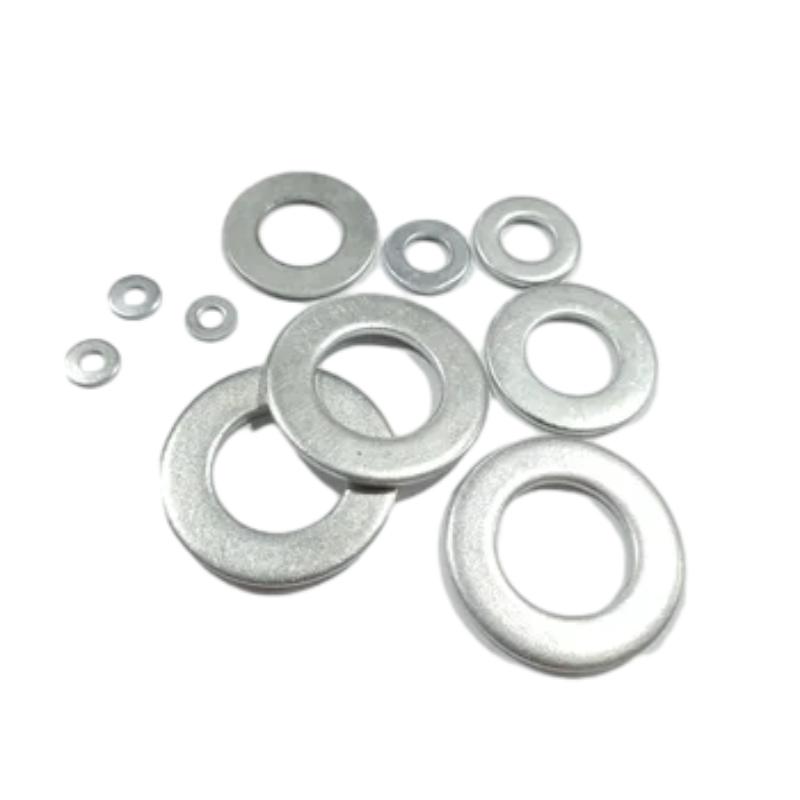
Technical Specifications & Standards: DIN 125 A vs. DIN 433
The specification of a washer is critical for its function. The DIN 125 standard defines flat washers for general-purpose applications. Specifically, `DIN 125 A washer dimensions` refer to flat washers without a chamfer, providing a simple, effective solution for load distribution. These washers are typically produced from carbon steel, often with a white zinc plating to enhance corrosion resistance, aligning with the "Grade 4.8" material strength commonly found in corresponding bolt specifications.
For precision applications requiring a smaller outside diameter, `DIN 433 washer dimensions` offer a viable alternative. While both DIN 125 and DIN 433 describe plain washers, the key difference lies in their outer diameter relative to the nominal screw size. DIN 125 washers have a larger outer diameter, offering broader load distribution, whereas DIN 433 washers are designed for more compact assemblies where space is limited. Understanding these distinctions is vital for engineers to ensure proper fit and function within their designs. The common finish, such as `flat washer zinc plated`, provides a balance of cost-effectiveness and protective qualities against oxidation.
Typical DIN 125 A Washer Dimensions (Carbon Steel, Zinc Plated)
| Nominal Size (M) | Inner Diameter (d1 min) | Outer Diameter (d2 max) | Thickness (s nom) |
|---|---|---|---|
| M6 | 6.4 mm | 12.0 mm | 1.6 mm |
| M8 | 8.4 mm | 16.0 mm | 1.6 mm |
| M10 | 10.5 mm | 20.0 mm | 2.0 mm |
| M12 | 13.0 mm | 24.0 mm | 2.5 mm |
| M16 | 17.0 mm | 30.0 mm | 3.0 mm |
These dimensions ensure interchangeability and consistent performance across various manufacturing and assembly processes. The material, typically carbon steel, provides the necessary mechanical strength, while the `flat washer zinc` coating ensures crucial protection against environmental factors.
Detailed Manufacturing Process Flow of a DIN 125 Washer
The production of a high-quality plain washer din 125 involves a meticulously controlled process to ensure dimensional accuracy, material integrity, and optimal surface finish. Our manufacturing process emphasizes precision engineering and adherence to international quality standards, ensuring every washer meets the rigorous demands of industrial applications.
Process Steps:
- 1. Material Selection: The foundation of a durable washer is the raw material. We predominantly use high-grade carbon steel, specifically formulated to achieve the "Grade 4.8" mechanical properties required for robustness and reliability. Materials undergo stringent chemical composition analysis to ensure compliance with standards like ASTM A29 or EN 10083.
- 2. Coil Slitting & Blanking: Large coils of carbon steel are precisely slit into narrower strips. These strips are then fed into high-speed presses where precision dies perform blanking (stamping) operations, cutting out the rough washer shapes. This cold forming process ensures consistent dimensions and material integrity.
- 3. Deburring & Edge Finishing: The blanking process can leave sharp edges or burrs. Washers are tumbled or vibratory finished to remove these imperfections, ensuring smooth edges that prevent damage to mating surfaces and improve handling safety. This step is critical for preventing stress concentrations.
- 4. Heat Treatment (Optional/As required): Depending on specific mechanical property requirements (e.g., hardness), some batches of carbon steel washers may undergo heat treatment processes like annealing or tempering to optimize their microstructure and mechanical strength.
- 5. Surface Treatment (Zinc Plating): A crucial step for enhancing service life, the washers undergo electro-galvanization to apply a uniform layer of white zinc plating. This process adheres to standards such as ISO 4042 or ASTM B633, ensuring a minimum coating thickness (e.g., 5-8 microns) for excellent corrosion resistance against common environmental factors. The `zinc coated washers` are then passivated to further enhance their protective properties and aesthetic appearance.
-
6. Quality Control & Testing: Throughout the manufacturing process, rigorous quality checks are performed. This includes:
- Dimensional inspection (inner/outer diameter, thickness) using calibrated instruments.
- Visual inspection for surface defects, burrs, or plating inconsistencies.
- Adhesion tests for zinc plating.
- Salt spray testing (e.g., ASTM B117) to verify corrosion resistance performance.
- 7. Packaging: Finished washers are carefully packaged to prevent damage during transit and storage, typically in bulk boxes or customized small packs as per client specifications.
This comprehensive process flow ensures that each washer, especially the `flat washer zinc plated` variant, delivers superior performance, reliability, and an extended service life in critical applications across industries like petrochemicals, metallurgy, and water supply & drainage. The emphasis on precision, material quality, and protective finishes contributes significantly to energy saving through reduced maintenance and replacement costs, while also offering robust corrosion resistance.
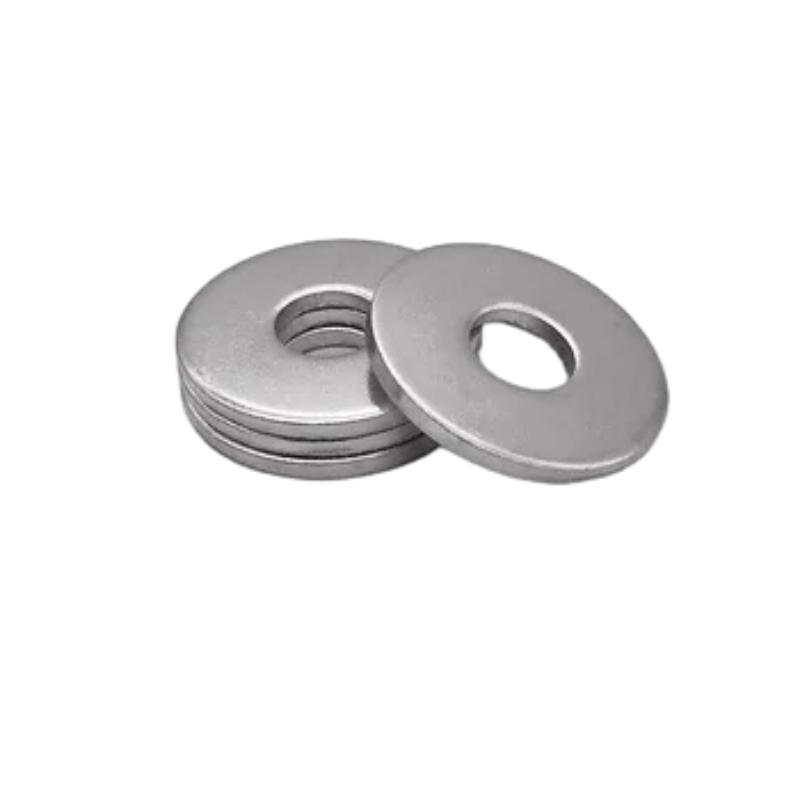
Key Technical Advantages & Performance Benefits
The inherent design and material properties of a high-quality plain washer din 125 deliver significant technical advantages, contributing to the overall integrity and longevity of bolted assemblies.
- Optimal Load Distribution: The primary function of a flat washer is to distribute the clamping force of a fastener over a larger area. This significantly reduces stress concentrations on the bolted material, preventing deformation, embedding, and ultimately enhancing the joint's resistance to loosening.
- Enhanced Corrosion Resistance: The `zinc plated steel washers` offer excellent protection against rust and corrosion in various atmospheric conditions. This protective layer, typically applied via electro-galvanization, acts as a sacrificial coating, extending the service life of the fastener assembly and reducing maintenance frequency, especially important for outdoor or humid environments.
- Surface Protection: By creating a smooth, flat bearing surface, the washer prevents damage to the clamped material during tightening. This is particularly crucial when fastening against softer materials or when the surface finish is critical.
- Vibration Dampening & Loosening Prevention: While not a primary locking mechanism, a properly torqued flat washer contributes to joint stability by providing a consistent, rigid interface, which can indirectly aid in resisting vibration-induced loosening when used in conjunction with appropriate locking fasteners.
- Material Compatibility: Carbon steel `flat washer zinc` plated provides compatibility with a wide range of common fasteners (e.g., Grade 4.8, 8.8 bolts), ensuring galvanic compatibility and preventing accelerated corrosion between dissimilar metals.
- Extended Service Life & Cost Efficiency: The combination of robust material and effective `zinc coated washers` contributes to an extended service life of the entire bolted assembly. This translates into significant long-term cost savings by reducing the need for frequent inspections, repairs, and replacements. The low friction coefficient of zinc also aids in achieving consistent torque values during assembly, improving overall efficiency.
Application Scenarios & Target Industries
The versatility and reliability of the plain washer din 125 make it an indispensable component across a broad spectrum of industrial applications. Its ability to distribute loads and provide corrosion protection is critical in environments where structural integrity and component longevity are paramount.
- Petrochemical Industry: Used extensively in flange connections for pipelines, storage tanks, and processing equipment where leak prevention and corrosion resistance from aggressive chemicals or humid environments are essential. The `flat washer zinc plated` provides a crucial barrier.
- Metallurgy & Mining: Employed in heavy machinery, conveyor systems, and structural frameworks where high dynamic loads and abrasive conditions demand robust fastening solutions. The durability of carbon steel with a protective `zinc coated washers` finish ensures operational reliability.
- Water Supply & Drainage Systems: Critical for securing pipe flanges, valves, pumps, and other components in water treatment plants, sewage systems, and irrigation networks. The corrosion resistance of `flat washer zinc` is vital for preventing premature degradation in damp environments.
- Construction & Infrastructure: Integral to steel structures, bridges, modular building systems, and heavy-duty framework. These washers provide the necessary bearing surface for high-strength bolted connections, often specified to `DIN 125 A washer dimensions` for general structural use.
- Automotive & Transportation: Used in various sub-assemblies where robust and vibration-resistant fastening is required, though often in specific grades or sizes.
- Renewable Energy (Wind & Solar): Essential for securing components in wind turbine towers, solar panel mounting structures, and associated electrical enclosures, where exposure to outdoor elements necessitates high levels of corrosion protection from `zinc plated steel washers`.
- General Machinery Manufacturing: Found in almost every type of machinery, from agricultural equipment to industrial automation systems, ensuring secure and stable bolted joints. For applications requiring wider load distribution, such as attaching thin sheets or soft materials, larger diameter washers like `fender washer zinc` are often preferred, although DIN 125 also serves many such functions.
Customized Solutions for Unique Requirements
While standard plain washer din 125 offerings cater to a vast array of industrial needs, many projects possess unique specifications that demand tailored solutions. We specialize in providing customized manufacturing services to meet these precise requirements, ensuring optimal performance for even the most challenging applications.
- Material Variations: Beyond standard carbon steel, we can produce washers from specific alloys, stainless steels (e.g., A2, A4), or other materials specified for enhanced chemical resistance, extreme temperatures, or non-magnetic properties.
- Custom Dimensions: While `din125a washer dimensions` are standard, we can manufacture washers with non-standard inner diameters, outer diameters, or thicknesses to perfectly fit unique component geometries or load distribution requirements. This includes specialty large-diameter flat washers.
- Surface Finish Options: In addition to white `zinc plated steel washers`, we offer a range of alternative coatings such as yellow zinc plating, hot-dip galvanization for superior corrosion protection, black oxide, phosphating, or proprietary anti-friction coatings to meet specific environmental or aesthetic needs.
- Specialized Heat Treatment: For applications demanding specific hardness or tensile strength, customized heat treatment protocols can be applied to achieve precise mechanical properties, enhancing the washer's resilience.
- Branding & Packaging: Custom marking (e.g., logo, batch codes) or specialized packaging solutions (e.g., pre-sorted kits, specific quantities, environmentally friendly materials) can be provided to streamline your assembly processes and enhance brand identity.
Our engineering team collaborates closely with clients from design conceptualization to final production, leveraging advanced manufacturing capabilities (including precision stamping and CNC machining for complex geometries) to deliver washers that integrate seamlessly into your systems and exceed performance expectations.
Vendor Comparison: Key Factors for Selection
Selecting the right supplier for industrial fasteners, particularly for critical components like the plain washer din 125, is a decision that directly impacts project success, operational efficiency, and long-term cost. While many vendors offer standard products, discerning the optimal partner involves evaluating several key factors beyond just price.
Essential Vendor Evaluation Criteria:
- Quality Assurance & Certifications: A reputable vendor will demonstrate adherence to international quality management systems (e.g., ISO 9001). They should provide material test certificates (MTCs), PPAPs, and clear documentation of compliance with standards like DIN 125 and plating specifications for `zinc plated steel washers`.
- Manufacturing Capabilities & Precision: Assess the vendor's ability to maintain tight tolerances and consistent quality, especially for specific `din 125 a washer dimensions`. Experience with various manufacturing processes (stamping, cold heading, CNC) indicates versatility and control.
- Product Range & Customization: While core products like `flat washer zinc` are standard, the ability to offer a broad range of related fasteners and, critically, customized solutions for unique requirements, is a significant advantage. This includes specialized materials or coatings beyond typical `zinc coated washers`.
- Technical Expertise & Support: A strong vendor provides expert technical assistance, from material selection advice to application-specific recommendations. Their engineering team should be capable of collaborating on complex projects and offering insights into performance characteristics, such as the suitability of `fender washer zinc` in specific scenarios.
- Supply Chain & Logistics: Evaluate lead times, inventory management, and reliable delivery capabilities. A robust supply chain minimizes project delays and ensures just-in-time delivery for critical components.
- Customer Service & Responsiveness: Prompt communication, efficient order processing, and effective after-sales support are indicative of a vendor committed to long-term partnerships.
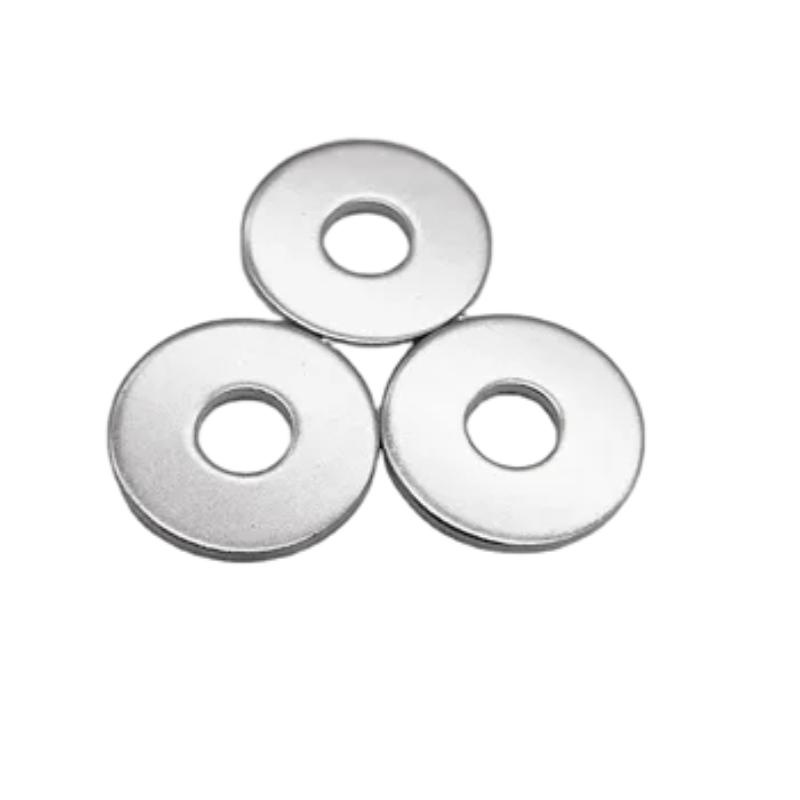
Comparison Matrix Example (General)
| Criteria | High-Tier Vendor | Standard Vendor |
|---|---|---|
| Certifications | ISO 9001, Material Certs (3.1/3.2), RoHS/REACH | Basic material conformity |
| Customization | Full design, material, finish options, engineering support | Limited options, primarily standard modifications |
| Quality Control | In-house lab, CMM, salt spray, regular audits | Basic visual and dimensional checks |
| Lead Time (Standard) | Consistent, optimized, often ex-stock | Variable, dependent on production schedule |
| After-Sales Support | Dedicated tech support, warranty, issue resolution | Limited or reactive support |
By meticulously evaluating these criteria, businesses can forge partnerships that not only supply parts but also contribute to the overall reliability and efficiency of their operations.
Application Case Studies & Real-World Impact
The practical application of high-quality flat washers is best demonstrated through real-world scenarios where their specific properties translate into tangible benefits. Here are a few examples showcasing the impact of the plain washer din 125.
Case Study 1: Large-Scale Water Treatment Plant Expansion
- Challenge: An engineering firm was expanding a municipal water treatment plant, requiring thousands of secure, corrosion-resistant bolted connections for large-diameter pipelines, pumps, and structural supports. The humid environment and exposure to treated water necessitated fasteners that could withstand continuous moisture without degrading.
- Solution: The firm specified `Factory Price Carbon Steel DIN125 White Zinc Plated Grade 4.8 Flat Washer` for all critical connections. The standardized `din125a washer dimensions` ensured compatibility with standard metric fasteners, and the white zinc plating provided the necessary corrosion barrier.
- Result: Over a two-year operational period, inspections revealed no signs of galvanic corrosion or loosening in the bolted joints. The consistent quality of the `zinc plated steel washers` contributed to a leak-free system and significantly reduced maintenance costs associated with fastener replacement, ensuring the plant's long-term operational integrity.
Case Study 2: Offshore Wind Turbine Assembly
- Challenge: A wind energy company needed reliable fasteners for assembling various non-load-bearing components within an offshore wind turbine nacelle. These components are exposed to constant vibration, salt-laden air, and high humidity, demanding superior vibration resistance and extreme corrosion protection.
- Solution: We supplied specially enhanced `zinc coated washers` (DIN 125 A, with a thicker zinc layer and advanced passivation) for these sub-assemblies. The robust material and superior coating were chosen to withstand the harsh marine environment.
- Result: The washers successfully performed over multiple years, preventing fastener loosening due to continuous vibration and showing no signs of atmospheric corrosion, even in the extremely challenging offshore conditions. This directly contributed to the turbine's uptime and reduced unscheduled maintenance, proving the long-term cost-effectiveness of selecting high-performance washers.
Case Study 3: Heavy Mining Equipment Structural Repair
- Challenge: A mining operation faced frequent loosening of structural bolts on their heavy-duty excavators due to intense vibrations and shock loads during operation. This led to costly downtime and safety concerns. Standard washers were failing under the stress.
- Solution: Our technical team recommended a robust plain washer din 125, specifically engineered with higher tensile carbon steel (though still adhering to DIN 125 dimensions) and a durable `flat washer zinc` finish to complement Grade 8.8 bolts. The critical element was ensuring precise dimensional control and material consistency.
- Result: Post-implementation, the frequency of bolt loosening on the excavators drastically reduced by 70%. The improved load distribution and material resilience of the washers, combined with proper torque application, significantly enhanced the stability and safety of the equipment, leading to increased operational hours and substantial cost savings from reduced maintenance.
Quality Assurance, Certifications & Authoritativeness
Our commitment to quality is unwavering, forming the cornerstone of our operations and ensuring that every plain washer din 125 we deliver meets the highest industry standards. We uphold rigorous quality assurance protocols and maintain comprehensive certifications, underscoring our authority and trustworthiness as a leading B2B supplier.
- ISO 9001 Certified: Our manufacturing facilities and quality management systems are certified to ISO 9001 standards, signifying a consistent commitment to quality control, continuous improvement, and customer satisfaction throughout every stage of production.
- Adherence to International Standards: All our products, including `zinc plated steel washers`, strictly comply with relevant international specifications such as DIN (Deutsches Institut für Normung), ISO (International Organization for Standardization), and ANSI (American National Standards Institute). This ensures global interchangeability and consistent performance.
- Comprehensive Material Test Certificates (MTCs): We provide full traceability and material documentation for all batches. Our MTCs (e.g., EN 10204 Type 3.1) detail chemical composition, mechanical properties, and coating thickness (for `zinc coated washers`), ensuring transparency and verifiable quality.
-
Advanced In-House Testing: Our state-of-the-art testing laboratory conducts a wide range of analyses, including:
- Dimensional accuracy verification with CMMs and optical comparators.
- Hardness testing (Rockwell, Vickers).
- Tensile strength and proof load testing.
- Salt spray corrosion resistance tests (e.g., ASTM B117) to validate the effectiveness of `flat washer zinc plated` finishes.
- Coating thickness measurements.
- Long-Standing Industry Experience: With over two decades of dedicated service in the fastener industry, our extensive experience and track record of supplying critical components to major industrial partners underscore our authoritative position and deep understanding of market needs.
Zinc Plating Performance Data (Typical)
| Plating Type | Thickness (microns) | Salt Spray Resistance (Red Rust - hours) | Standard |
|---|---|---|---|
| White Zinc Plated | 5-8 | 72-120 | ISO 4042, ASTM B633 |
| Yellow Zinc Plated | 8-12 | 120-200 | ISO 4042, ASTM B633 |
| Hot-Dip Galvanized | 45-85 | >500 | ISO 1461, ASTM A153 |
This rigorous quality framework ensures that every washer, from standard `DIN 125 A washer dimensions` to custom solutions, provides the durability and performance expected in demanding industrial environments.
Lead Time, Warranty & After-Sales Support
Understanding the logistical and support aspects of a supplier partnership is as crucial as product quality. We are dedicated to providing transparent information regarding lead times, robust warranty commitments, and comprehensive after-sales support to foster enduring trust with our B2B clients.
Lead Time & Fulfillment Details:
- Standard Products: For common items like the `Factory Price Carbon Steel DIN125 White Zinc Plated Grade 4.8 Flat Washer`, we maintain significant inventory, allowing for rapid dispatch. Standard lead times typically range from 3-7 business days for ex-stock items.
- Bulk & Project Orders: For larger volume orders or non-stock `din 125 a washer dimensions`, lead times are provided upon quotation and are typically between 2-4 weeks, depending on material availability, production queue, and surface treatment requirements (e.g., specific `zinc plated steel washers` finishes).
- Customized Solutions: Custom-engineered washers with unique specifications will have lead times determined by design complexity, tooling requirements, and material sourcing. Our team will provide a detailed production schedule at the time of order confirmation.
- Expedited Options: We offer expedited manufacturing and shipping options for urgent requirements, subject to capacity and additional charges.
Warranty Commitments:
All our fasteners, including the plain washer din 125, are backed by a comprehensive warranty against defects in material and workmanship. This warranty ensures that products supplied will meet the specified technical parameters, dimensions (`din 433 washer dimensions` or DIN 125 A), material composition, and surface finish (e.g., `flat washer zinc`) as per relevant international standards and agreed-upon specifications. In the unlikely event of a product failing to meet these standards under normal usage conditions, we are committed to prompt replacement or credit.
Customer Support & After-Sales Service:
- Dedicated Account Management: Each client is assigned a dedicated account manager to ensure personalized service, efficient communication, and streamlined order processing.
- Technical Assistance: Our team of experienced engineers and technical experts is available to provide support, answer queries, offer application advice, and assist with product selection, ensuring you choose the optimal `zinc coated washers` for your needs.
- Order Tracking & Logistics: We provide real-time order tracking and transparent logistics information, allowing you to monitor your shipments from our factory to your site.
- Responsive Complaint Resolution: We are committed to promptly addressing any product-related concerns or issues. Our quality team conducts thorough investigations and implements corrective actions to ensure customer satisfaction.
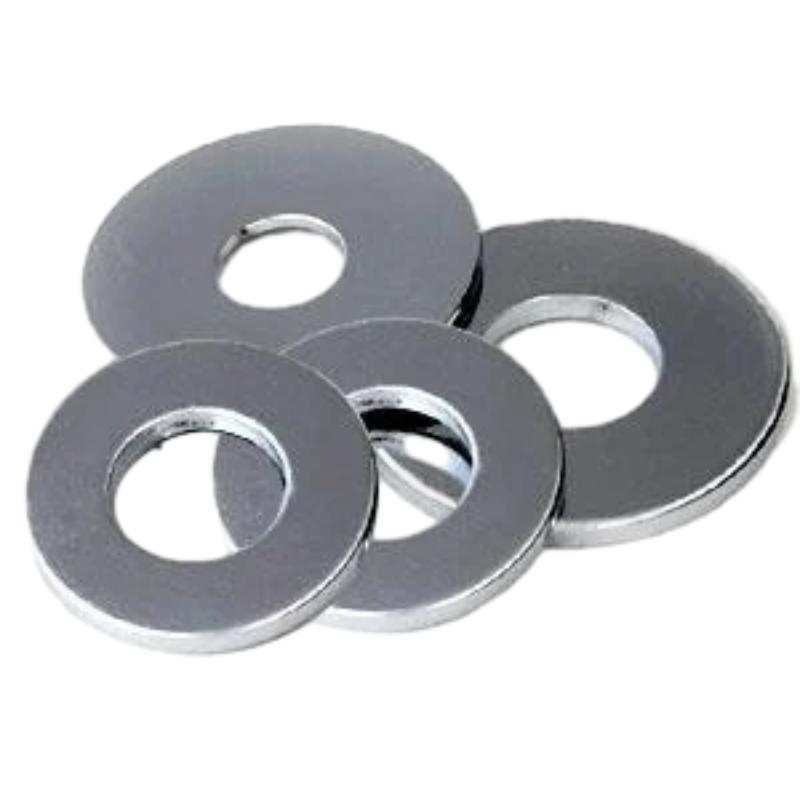
Frequently Asked Questions (FAQ)
- Q: What is a plain washer din 125?
- A: A DIN 125 plain washer is a flat, circular washer conforming to the German Institute for Standardization (DIN) standard 125. It is primarily used to distribute the load of a threaded fastener, preventing damage to the bolted surface and enhancing joint integrity. 'A' denotes it is without chamfer.
- Q: What materials are typically used for DIN 125 washers?
- A: Most commonly, they are manufactured from carbon steel (often Grade 4.8 compatible) and stainless steel. For enhanced corrosion resistance, `zinc plated steel washers` are a popular choice.
- Q: What is the significance of "white zinc plated" for these washers?
- A: White zinc plating, or clear zinc plating, is an electroplated coating that provides a bright, silvery finish and offers excellent corrosion resistance in ambient environments. It's a cost-effective protective measure for `flat washer zinc` and prolongs their service life.
- Q: How do `din 125 a washer dimensions` compare to `din 433 washer dimensions`?
- A: Both are plain washers, but DIN 125 A washers have a larger outer diameter relative to the bolt's nominal size, offering a wider load-bearing surface. DIN 433 washers have a smaller outer diameter, making them suitable for applications where space is limited or where a less conspicuous washer is desired.
- Q: Can I get customized DIN 125 washers?
- A: Yes, we offer extensive customization options including alternative materials, specific dimensions (beyond standard `din 125 a washer dimensions`), various coatings (e.g., thicker `zinc coated washers`, hot-dip galvanized), and specialized packaging to meet unique project requirements.
- Q: What is the typical service life of a zinc-plated DIN 125 washer?
- A: The service life largely depends on the operating environment (e.g., humidity, exposure to chemicals) and the thickness of the `flat washer zinc` coating. Under normal atmospheric conditions, a properly specified zinc-plated washer can provide many years of reliable service, often exceeding 5-10 years before significant red rust appears.
Conclusion
The plain washer din 125, particularly in its carbon steel, white zinc-plated variant, remains a foundational element in robust industrial fastening. Its critical role in load distribution, surface protection, and corrosion resistance, combined with adherence to stringent international standards, ensures the integrity and longevity of countless bolted assemblies across diverse sectors. From the demanding environments of petrochemical plants to the structural frameworks of infrastructure projects, the reliability of these washers is indispensable. By focusing on precision manufacturing, comprehensive quality assurance, and offering tailored solutions, we aim to be the trusted partner for B2B clients seeking uncompromised performance and value in their fastener procurement.
References
- International Organization for Standardization. ISO 4042: Fasteners – Electroplated coatings.
- Deutsches Institut für Normung. DIN 125: Flat washers for use with hexagon head bolts and nuts – Product grade A.
- American Society for Testing and Materials. ASTM B633: Standard Specification for Electrodeposited Coatings of Zinc on Iron and Steel.
- National Institute of Standards and Technology. Engineering Statistics Handbook: Fasteners.
- European Standard. EN 10083-2: Steels for quenching and tempering – Part 2: Technical delivery conditions for unalloyed quality steels.
-
Guide to Calculating the Best Expansion Anchor Bolt Length
NewsApr.16,2026
-
Guide to the Correct Drill Size for 3 8 Wedge Anchor Installation
NewsApr.09,2026
-
Comprehensive Guide to Dottie Wedge Anchor Selection and Installation
NewsApr.07,2026
-
Comprehensive Guide to Ceiling Wedge Anchors for Secure Installations
NewsApr.04,2026
-
Understanding the Versatility and Applications of Carbon Steel Wedges
NewsMar.31,2026
-
The Essential Guide to Bolt Wedges Strength and Application
NewsMar.28,2026
 English
  Bengali
  Bulgarian
  Catalan
  Czech
Czech  French
  German
  Hindi
Hindi  Hungarian
  Italian
  Kazakh
  Korean
  Portuguese
  Romanian
  Slovak
  Somali
  Spanish
  Turkish


