


Sep . 09, 2025 21:20 Back to list
Premium Hex Nuts & Nylock Nuts | Metric & Imperial Sizes
Understanding the Critical Role of Hex Nuts in Industrial Fastening
In industrial applications, the integrity of a fastened joint is paramount. Among the myriad of fastening components, the hex nut stands as a foundational element, renowned for its robustness, versatility, and efficiency in securing mechanical assemblies. Designed with six sides, facilitating torque application with a wrench, these essential components are critical for a vast array of structural and mechanical connections. This comprehensive guide delves into the technical specifications, manufacturing processes, application diversity, and strategic considerations for selecting and implementing high-performance hex nut solutions in demanding B2B environments.
Our focus extends to the high-quality DIN934 Carbon Steel Grade 4.8/8.8/10.9 Zinc/Plain/HDG M8-M20 Hex Nut, a product engineered to meet stringent industry standards and provide reliable performance across diverse sectors.
Industry Trends in Hex Nut Technology and Application
The industrial fastener market, heavily reliant on components like hexagon nuts, is currently undergoing significant transformation, driven by demands for enhanced performance, sustainability, and cost-efficiency. Key trends include:
- Advanced Material Science: A growing emphasis on lightweight yet high-strength materials, alongside innovations in surface treatments to combat corrosion and extend service life, particularly in harsh environments.
- Precision Engineering: The increasing prevalence of tighter tolerances and advanced manufacturing techniques ensures greater consistency in hex nut dimension and superior fitment. This is crucial for applications requiring exact alignment and load distribution.
- Smart Fasteners: While still nascent, the integration of sensors into fasteners for real-time monitoring of tension and vibration is an emerging trend that promises to revolutionize maintenance and safety protocols.
- Environmental Compliance: Shifting towards more environmentally friendly coatings and manufacturing processes, reducing the use of hazardous substances in line with global regulations.
- Standardization and Customization Balance: While international standards like ISO and DIN remain crucial for interoperability, there's a growing need for customized hex nut sizes and configurations to meet unique project specifications, such as specific metric nut sizes or non-standard thread pitches.
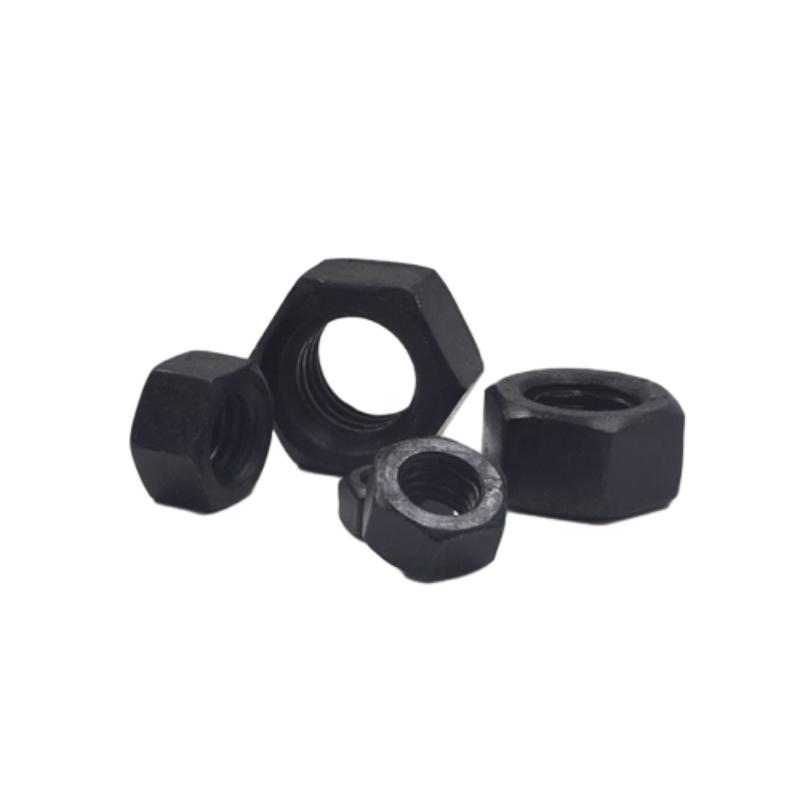
Figure 1: High-strength carbon steel hex nut fasteners ready for application.
Technical Specifications and Parameters
The performance of any hex nut is fundamentally determined by its material composition, mechanical properties, and adherence to dimensional standards. Our DIN934 Carbon Steel Grade 4.8/8.8/10.9 Zinc/Plain/HDG M8-M20 Hex Nut offers a spectrum of options to suit varying load and environmental requirements.
Material Grades and Mechanical Properties
Carbon steel grades 4.8, 8.8, and 10.9 are specified under ISO 898-2 for nuts. These grades denote the nut's proof load strength, which directly correlates with the bolt's tensile strength.
| Nut Grade | Nominal Proof Stress (MPa) | Applicable Bolt Property Class | Material Hardness (HV) |
|---|---|---|---|
| 4.8 | 400 | 4.6, 4.8 | 130-250 |
| 8.8 | 800 | 8.8 | 200-300 |
| 10.9 | 1000 | 10.9 | 250-350 |
Surface Treatments and Their Benefits
Surface finishes significantly impact the corrosion resistance and friction characteristics of hex nuts.
- Zinc Plated: Offers good corrosion resistance in mild environments and a bright, aesthetic finish. Ideal for indoor or moderately exposed applications.
- Plain (Black Oxide/Self-Color): Provides minimal corrosion resistance, primarily for indoor, controlled environments, or applications where subsequent coating or painting is applied. The natural finish of the carbon steel.
- Hot-Dip Galvanized (HDG): Delivers superior corrosion protection, particularly in outdoor, marine, or industrial environments exposed to moisture and chemicals. The thick zinc coating forms a barrier against corrosive elements. HDG hexagon nuts often require oversized tapping to accommodate the coating thickness.
Dimensional Standards and Common Hex Nut Sizes
Our DIN934 hex nuts conform to precise dimensional specifications. Understanding common hex nut sizes is crucial for proper fitment and performance.
| Nominal Diameter (d) | Thread Pitch (P) | Width Across Flats (s) | Height (m) | Approx. Weight (kg/1000 pcs for Grade 8.8) |
|---|---|---|---|---|
| M8 (m8 nut size) | 1.25 | 13 | 6.5 | 7.8 |
| M10 | 1.5 | 17 | 8 | 17.5 |
| M12 (m12 nut size) | 1.75 | 19 | 10 | 27.8 |
| M16 | 2.0 | 24 | 13 | 60.0 |
| M20 (m20 nut size) | 2.5 | 30 | 16 | 120.0 |
For non-metric applications, dimensions like 1 1/8 nut dimensions would refer to imperial standards (e.g., ANSI B18.2.2) and typically have corresponding properties for their respective grades.
Manufacturing Process of Hex Nuts
The production of high-quality hex nuts involves a carefully controlled sequence of operations, primarily cold heading or hot forging, followed by precise threading and finishing. This process ensures dimensional accuracy, mechanical integrity, and desired surface characteristics.
Process Flow Schematic
The typical manufacturing process for carbon steel hex nuts can be outlined as follows:
Step 1: Material Selection & Preparation
- • High-quality carbon steel wire rods (e.g., SAE 1018, 1035, 1045) are selected based on the required strength grade (4.8, 8.8, 10.9).
- • Wire is descaled, lubricated, and cut into blanks of specific lengths.
Step 2: Forming (Cold Heading or Hot Forging)
- • Cold Heading: For M8-M20 hex nuts, blanks are fed into multi-station cold heading machines. Dies and punches progressively form the hexagonal head and pierce the central hole. This process enhances material strength through work hardening.
- • Hot Forging: For larger diameters or specific material properties, blanks are heated to forging temperature and then shaped.
Step 3: Threading
- • The pierced hole is tapped using specialized threading machines to create the internal threads (e.g., M8, M12, M20 metric threads) according to DIN934 or relevant standards. Precision is key to ensure correct pitch and thread class.
Step 4: Heat Treatment (for Grade 8.8/10.9)
- • High-strength hex nuts (Grades 8.8, 10.9) undergo quenching and tempering. This process involves heating the nuts to an austenitic temperature, rapidly cooling them (quenching), and then reheating to a lower temperature (tempering) to achieve the desired hardness, strength, and toughness.
Step 5: Surface Treatment/Finishing
- • Zinc Plating: Electroplating with a thin layer of zinc for corrosion resistance.
- • Hot-Dip Galvanizing (HDG): Immersion in molten zinc for a thick, robust, long-lasting corrosion-resistant coating. HDG nuts are often retapped after galvanizing to ensure proper thread fit on galvanized bolts.
- • Plain Finish: No additional coating, usually with a protective oil.
Step 6: Quality Control & Testing
- • Comprehensive testing for dimensional accuracy (using go/no-go gauges), mechanical properties (proof load, hardness), and coating thickness (for plated/HDG nuts) is performed against standards like ISO 898-2 and DIN 934.
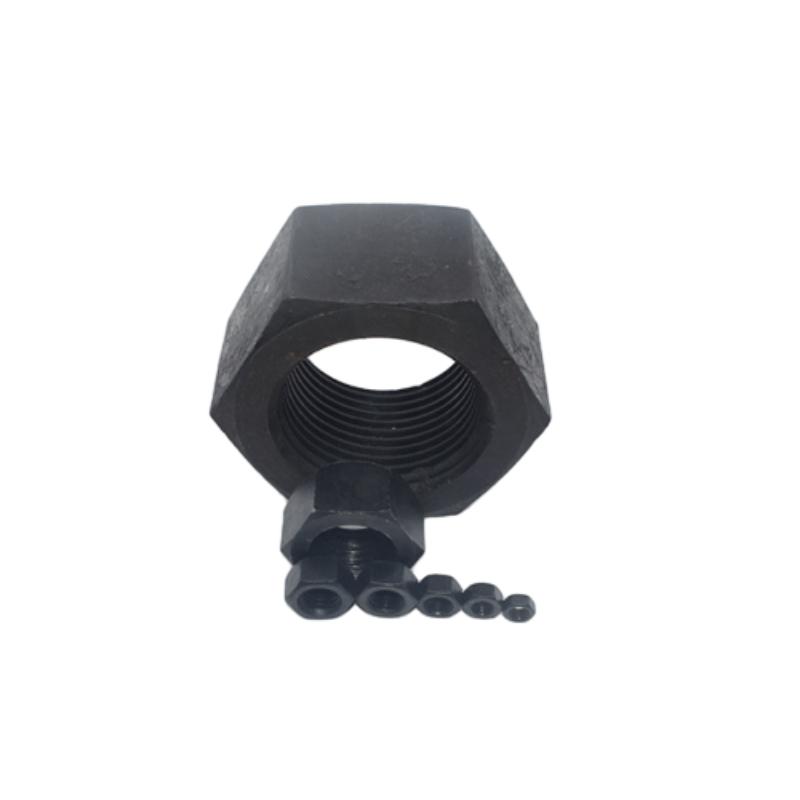
Figure 2: Precision engineering of hex nut threads ensures optimal fastening.
Application Scenarios and Industry Advantages
The versatility of the hex nut makes it indispensable across a multitude of industries. Our DIN934 carbon steel nuts, particularly in varying grades and finishes, offer specific advantages for different operational demands.
Target Industries:
- Petrochemical: High-grade (8.8, 10.9) HDG hex nuts are crucial for pipelines, storage tanks, and processing equipment where resistance to corrosive agents, high temperatures, and extreme pressures is critical.
- Metallurgy: Used extensively in heavy machinery, furnaces, and material handling equipment, requiring fasteners that withstand substantial vibrational and static loads.
- Water Supply & Drainage: Zinc-plated or HDG hex nuts are ideal for pumps, valves, and piping systems, ensuring long-term integrity in water-exposed environments, preventing costly leaks and maintenance.
- Construction & Infrastructure: From structural steel connections to bridge construction and heavy equipment assembly, the mechanical strength and durability of these hexagon nuts are essential for safety and longevity.
- Automotive & General Manufacturing: Standard grade 4.8 hex nuts are widely used in non-critical applications, while higher grades secure engine components, chassis, and heavy assemblies.
Demonstrated Advantages:
- Corrosion Resistance: HDG and zinc-plated finishes provide a robust protective layer, significantly extending the service life of fasteners in outdoor and chemically aggressive environments, reducing replacement costs and downtime. This is particularly vital in infrastructure and marine applications.
- Energy Saving (Indirect): By ensuring secure and stable connections, high-quality hex nuts minimize vibration and wear, leading to more efficient operation of machinery and structures. Reduced maintenance and enhanced system reliability contribute to overall energy and resource conservation.
- High Load Bearing Capacity: Grades 8.8 and 10.9 offer superior proof load and tensile strength, capable of withstanding extreme static and dynamic loads, essential for critical structural applications.
- Ease of Installation & Maintenance: The hexagonal shape allows for easy torque application with standard tools, facilitating efficient assembly and disassembly, which is a significant operational advantage in large-scale projects.
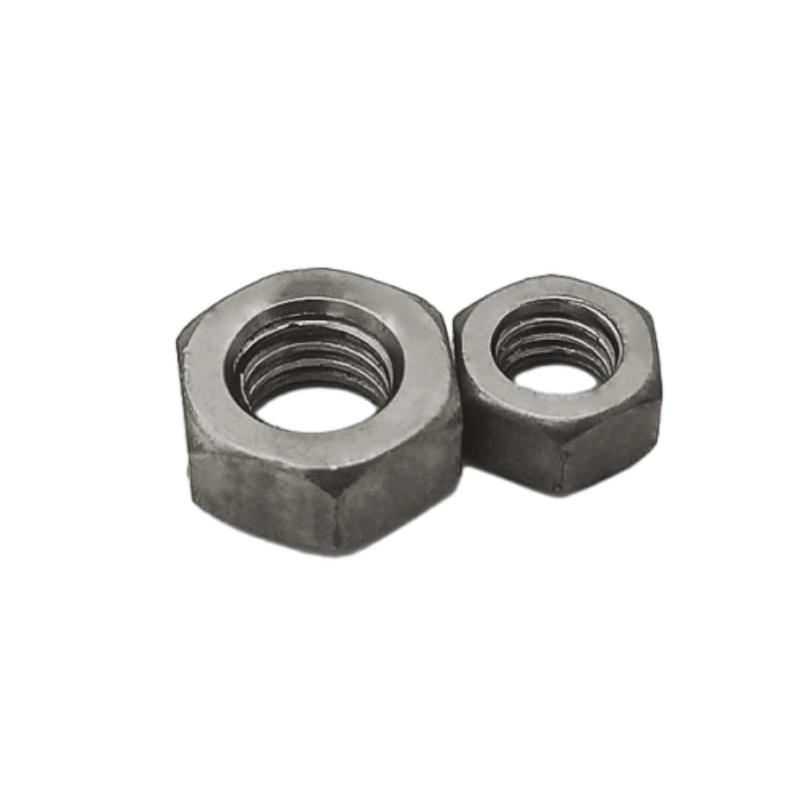
Figure 3: A variety of hex nut finishes for different application environments.
Vendor Comparison and Competitive Advantage
In a competitive market, selecting the right vendor for industrial fasteners like hex nuts goes beyond just price. It encompasses product quality, adherence to standards, customization capabilities, and post-sales support.
| Feature/Aspect | Typical Standard Vendor | [Your Company] (ytbolt.com) |
|---|---|---|
| Product Range (DIN934 Hex Nut) | Limited grades and sizes (e.g., only M10-M16 Grade 4.8 zinc) | Comprehensive M8-M20 range, Grades 4.8/8.8/10.9, Zinc/Plain/HDG. |
| Quality Certifications | Basic compliance, possibly self-declared. | ISO 9001 certified, full compliance with DIN, ISO, ANSI standards. Material Test Certificates (MTCs) available. |
| Material Traceability | Often limited or unavailable. | Full batch traceability from raw material to finished product. |
| Customization Options | Minimal; standard items only. | Bespoke dimensions, materials, coatings, specific hex nut dimension, and packaging available for project requirements. |
| Technical Support | Basic product information. | Experienced engineers provide expert advice on selection, application, and installation. |
| Lead Time & Fulfillment | Variable, potentially long for non-stock items. | Efficient production lines and robust logistics ensure timely delivery, often faster for bulk orders. |
Customized Solutions and Special Applications
While standard DIN934 hex nuts cover a broad spectrum of needs, specialized projects often demand bespoke fastening solutions. We offer comprehensive customization capabilities to address unique challenges.
Tailored Hex Nut Solutions:
- Non-Standard Dimensions: Production of hex nut sizes outside the DIN934 standard, including fine-pitch threads, specific widths across flats, or custom heights, which might be critical for existing equipment upgrades or legacy systems.
- Specialized Materials: Beyond carbon steel, we can source and manufacture hexagon nuts from alloy steels, stainless steels, or exotic alloys for extreme temperature, chemical, or fatigue resistance.
- Application-Specific Coatings: In addition to Zinc and HDG, we can apply coatings like PTFE, Dacromet, or specialized paints for enhanced chemical inertness, low friction, or specific color coding. For instance, a particular hex nylock nut might require a specific coating for its locking mechanism in high-vibration scenarios.
- Locking Features: Manufacturing of self-locking variants like nylock hex nut or all-metal prevailing torque nuts for applications prone to vibration loosening. This ensures permanent, secure connections.
Our engineering team collaborates closely with clients to define precise requirements, offering design consultation and prototyping to ensure the customized hex nut perfectly integrates into their systems and performs as expected under intended operating conditions.
Application Case Studies
Case Study 1: Large-Scale Water Treatment Plant Expansion
A major municipal water treatment authority embarked on an ambitious expansion, requiring thousands of reliable fasteners for new pipeline networks, pump stations, and filtration units. The primary challenge was severe corrosion due to constant moisture exposure and treated water chemicals.
- Solution Implemented: We supplied DIN934 Grade 8.8 hex nuts with a Hot-Dip Galvanized (HDG) finish in various metric nut sizes, including M12 and M20. The HDG coating provided a thick, durable zinc layer, ensuring sacrificial protection against rust and chemical degradation.
- Outcome: The project was completed on schedule, with field reports indicating superior ease of installation and excellent resistance to the harsh environment over the initial 24-month operational period. The HDG hex nuts demonstrated zero signs of red rust, significantly extending the expected service life of the infrastructure and reducing long-term maintenance costs. Customer feedback highlighted the consistent quality and prompt delivery.
Case Study 2: High-Vibration Industrial Mixer Assembly
An engineering firm manufacturing industrial mixers faced persistent issues with fastener loosening under high-frequency vibration, leading to costly production downtime and safety concerns. Standard hex nuts were inadequate.
- Solution Implemented: We proposed and supplied DIN934 Grade 10.9 hex nuts that were specifically modified into hex nylock nut variants for critical connections. The integrated nylon insert provided a robust prevailing torque, creating a positive locking action that resisted vibrational loosening.
- Outcome: The implementation of our specialized nylock hex nut fasteners entirely eliminated loosening issues in their high-vibration mixers. Post-installation inspections and operational tests confirmed enhanced joint integrity and extended machinery uptime. The client reported a 30% reduction in maintenance cycles related to fastener re-tightening.
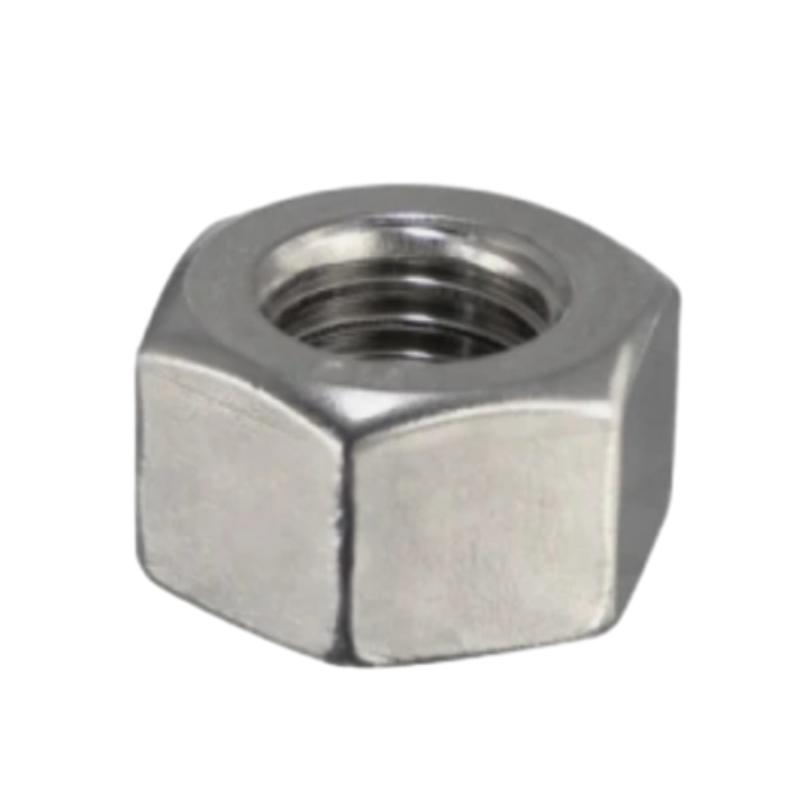
Figure 4: Securely fastened industrial components utilizing high-grade hex nut solutions.
Frequently Asked Questions (FAQ)
Q1: What does DIN934 signify for a hex nut?
A1: DIN934 is a German industrial standard that specifies the dimensions, mechanical properties, and general requirements for standard hexagon nuts with metric coarse and fine pitch threads. Compliance ensures interoperability and consistent quality.
Q2: How do I choose the correct grade (4.8, 8.8, 10.9) for my application?
A2: The nut grade should match or exceed the property class of the bolt to ensure the nut does not strip before the bolt yields. Grade 4.8 is for general-purpose applications, 8.8 for structural connections requiring good strength, and 10.9 for high-stress, heavy-duty applications. Always match a higher or equal grade hex nut to the bolt for optimal performance.
Q3: What are the benefits of Hot-Dip Galvanizing (HDG) for hex nuts?
A3: HDG provides superior corrosion resistance compared to zinc plating, forming a metallurgical bond between the zinc and steel. It's ideal for outdoor, marine, and highly corrosive industrial environments, offering extended service life and reduced maintenance in conditions where standard plain or zinc-plated hex nuts would quickly degrade.
Q4: Can I get customized hex nuts with specific dimensions or materials?
A4: Absolutely. We specialize in providing customized solutions, including non-standard hex nut dimension, specific hex nut sizes, materials beyond carbon steel, and specialized coatings to meet unique project requirements. Our engineering team can assist with design and material selection.
Lead Time, Warranty, and Customer Support
Lead Time & Fulfillment
We understand the critical nature of timely delivery in B2B operations. Our standard lead time for in-stock DIN934 Carbon Steel Grade 4.8/8.8/10.9 Zinc/Plain/HDG M8-M20 hex nuts typically ranges from 3-7 business days for most order volumes. For custom orders or large-scale projects, lead times are quoted on a case-by-case basis, generally within 2-4 weeks, depending on complexity and material availability. We leverage a robust logistics network to ensure efficient and reliable global delivery.
Warranty Commitments
All our hex nuts are manufactured to meet or exceed relevant international standards (DIN, ISO, ANSI) and come with a standard 12-month warranty against manufacturing defects from the date of purchase. This warranty covers material and workmanship, reflecting our confidence in the quality and durability of our products. Detailed warranty terms and conditions are available upon request.
Customer Support
Our commitment to our clients extends beyond the sale. We provide comprehensive technical support from experienced engineers who can assist with product selection, application advice, installation guidelines, and troubleshooting. Our dedicated customer service team is available to handle inquiries, order processing, and post-delivery support promptly and efficiently. We are reachable via phone, email, and dedicated online portals.
Conclusion
The selection of the right hex nut is a critical engineering decision that impacts the safety, reliability, and longevity of industrial assemblies. Our DIN934 Carbon Steel Grade 4.8/8.8/10.9 Zinc/Plain/HDG M8-M20 hex nuts are engineered to address the diverse and demanding requirements of modern industries, from petrochemical to construction. By focusing on superior material quality, precise manufacturing, rigorous testing, and comprehensive customer support, we deliver fastening solutions that not only meet but often exceed industry benchmarks. Partner with us to ensure the integrity and performance of your critical applications with fasteners you can trust.
References
- International Organization for Standardization. ISO 898-2: Mechanical properties of fasteners made of carbon steel and alloy steel - Part 2: Nuts with specified proof load values - Coarse thread and fine pitch thread.
- Deutsches Institut für Normung. DIN 934: Hexagon nuts.
- American Society for Testing and Materials. ASTM A563: Standard Specification for Carbon and Alloy Steel Nuts.
- National Institute of Standards and Technology. NIST Special Publication 811: Guide for the Use of the International System of Units (SI).
-
Guide to Calculating the Best Expansion Anchor Bolt Length
NewsApr.16,2026
-
Guide to the Correct Drill Size for 3 8 Wedge Anchor Installation
NewsApr.09,2026
-
Comprehensive Guide to Dottie Wedge Anchor Selection and Installation
NewsApr.07,2026
-
Comprehensive Guide to Ceiling Wedge Anchors for Secure Installations
NewsApr.04,2026
-
Understanding the Versatility and Applications of Carbon Steel Wedges
NewsMar.31,2026
-
The Essential Guide to Bolt Wedges Strength and Application
NewsMar.28,2026
 English
  Bengali
  Bulgarian
  Catalan
  Czech
Czech  French
  German
  Hindi
Hindi  Hungarian
  Italian
  Kazakh
  Korean
  Portuguese
  Romanian
  Slovak
  Somali
  Spanish
  Turkish


