


Sep . 22, 2025 11:55 Back to list
Secure Wire Rope Clamp: Durable Steel & Stainless Fixing
The Critical Role and Evolution of Wire Rope Clamps in Industrial Rigging
In the demanding world of industrial rigging and lifting, the integrity of a system often hinges on its smallest, yet most critical, components. Among these, the wire rope clamp stands as an indispensable element, ensuring secure terminations and connections for wire ropes. These essential devices, also commonly known as wire rope clips or wire rope grips, are fundamental in a vast array of B2B applications, ranging from heavy construction to specialized marine operations. Their primary function is to securely hold the free end of a loop of wire rope, preventing it from slipping and maintaining the load-bearing capacity of the assembly. This detailed analysis delves into the technical aspects, market trends, and application versatility of modern wire rope clamps, emphasizing their critical contribution to operational safety and efficiency.
The demand for robust and reliable wire rope clamps is consistently high across industries where overhead lifting, tensioning, and securing applications are commonplace. Understanding the nuances of their design, manufacturing, and deployment is paramount for engineers and procurement specialists seeking to optimize system performance and adhere to stringent safety regulations.
Industry Trends and Market Dynamics for Wire Rope Fixing Solutions
The market for wire rope clamp fixing solutions is experiencing continuous evolution, driven by advancements in material science, engineering standards, and increasing global infrastructure development. Key trends include:
- Increased Demand for High-Performance Materials: A growing preference for stainless steel and specialized alloys in corrosive environments, especially in marine, offshore, and petrochemical sectors, where longevity and resistance to degradation are critical. This pushes the innovation in stainless wire clamps.
- Emphasis on Safety and Compliance: Stricter international safety standards (e.g., ISO, OSHA, ASME) are driving manufacturers to produce rope clips that exceed minimum breaking strength requirements and offer enhanced fatigue resistance.
- Customization and Specialized Applications: The rise of complex industrial projects necessitates custom-engineered metal rope clamp designs, catering to unique load capacities, environmental conditions, and specific rigging configurations.
- Technological Integration: While traditional designs remain prevalent, there's a slow but steady integration of advanced manufacturing techniques to improve precision and consistency in mass production.
Projections indicate a steady growth in the global rigging hardware market, with a compound annual growth rate (CAGR) of approximately 4-6% over the next five years, largely fueled by booming construction, energy, and transportation sectors. This growth underscores the enduring importance of reliable rope wire clamp solutions.
Technical Specifications: DIN741 Rigging Hardware Lifting Malleable Cast Steel Wire Rope Clamp
Our focus today is on the DIN741 standard, a widely recognized specification for wire rope clamps, particularly the malleable cast steel variants. The DIN741 design comprises a U-bolt, a forged saddle, and two nuts, all working in concert to create friction and grip the wire rope effectively.
Product Highlights:
- Material: Malleable Cast Steel, chosen for its excellent ductility and strength, crucial for shock absorption and resistance to brittle fracture.
- Standard: Conforms to DIN741, ensuring interchangeability and adherence to established quality and dimensional specifications.
- Finish: Hot-dip galvanized for superior corrosion resistance, extending service life in outdoor and harsh environments.
- Application: Ideal for forming eye-loops, securing ends, and general-purpose non-lifting applications where a reliable steel rope clamp is needed.
Typical Product Specification Table:
| Wire Rope Diameter (mm) | Clamp Size (mm) | U-Bolt Diameter (mm) | Overall Length (mm) | Weight (kg/pc) | Minimum Quantity Clamps |
|---|---|---|---|---|---|
| 5 | M6 | 6 | 30 | 0.04 | 2 |
| 8 | M8 | 8 | 40 | 0.08 | 2 |
| 12 | M12 | 12 | 60 | 0.25 | 3 |
| 16 | M16 | 16 | 80 | 0.50 | 3 |
| 24 | M24 | 24 | 120 | 1.50 | 4 |
Note: The quantity of wire rope clamps required for a secure termination typically increases with the diameter of the wire rope. Consult relevant safety standards (e.g., ASME B30.26) for specific guidance.
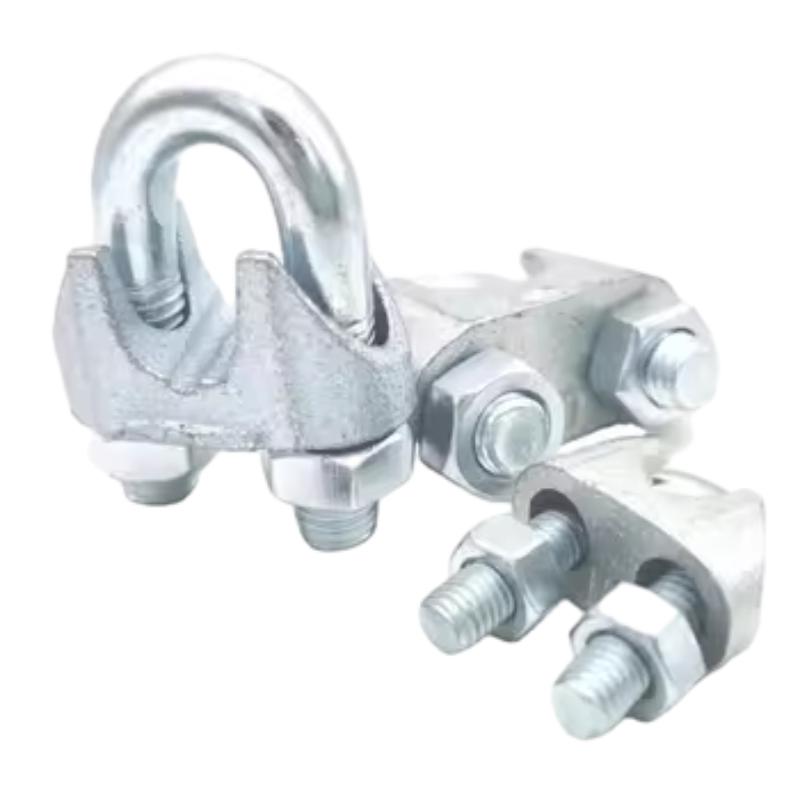
Figure 1: Illustration of a DIN741 Malleable Cast Steel Wire Rope Clamp.
Precision Manufacturing Process of Wire Rope Clamps
The production of a high-quality wire rope clamp involves a meticulously controlled process, ensuring each component meets stringent performance and safety criteria. Our manufacturing adheres to ISO 9001 quality management systems, guaranteeing consistency and reliability.
Process Flow Schematic:
-
Material Selection & Sourcing:
Utilizing high-grade malleable cast steel conforming to industry standards for optimal strength and ductility. Strict material incoming inspection ensures compliance.
-
Casting & Forging (Component Specific):
The U-bolt is typically formed through bending, while the saddle component of the wire rope clamp is often cast. Precision casting ensures complex geometries are formed accurately, followed by meticulous removal of gates and risers.
-
CNC Machining & Threading:
Critical dimensions and threading for the U-bolt are achieved through CNC machining, ensuring precise tolerances and compatibility with standard nuts. This is vital for the secure wire rope clamp fixing.
-
Heat Treatment:
Components undergo controlled heat treatment processes to enhance mechanical properties, such as tensile strength and fatigue resistance, optimizing the lifespan of the wire rope clips.
-
Surface Finishing (Hot-Dip Galvanization):
Post-machining, the components are hot-dip galvanized. This process creates a metallurgically bonded zinc coating, providing superior corrosion resistance against rust and environmental wear, thereby significantly extending the service life of the wire rope grips, especially in harsh outdoor or marine conditions.
-
Quality Control & Testing:
Each batch undergoes rigorous testing, including dimensional checks, material composition analysis (Spectroscopy), mechanical property tests (tensile strength, proof load), and corrosion resistance tests (salt spray). Conformance to DIN741 and other relevant standards (e.g., ISO 1461 for galvanization) is verified.
-
Assembly & Packaging:
Final assembly of the U-bolt, saddle, and nuts, followed by secure packaging for delivery, ensuring product integrity during transit.
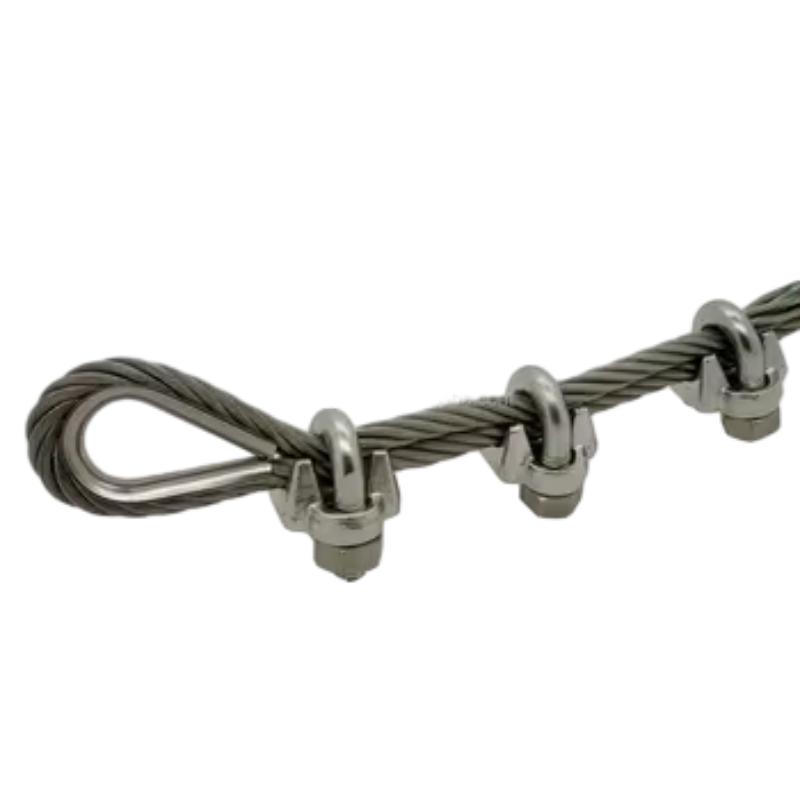
Figure 2: Manufacturing process for wire rope clamps, emphasizing quality control.
Application Scenarios and Technical Advantages
The versatility and reliability of the wire rope clamp make it indispensable across a multitude of heavy industries. These components are not merely connectors; they are critical safety devices that facilitate complex operations.
Target Industries:
- Petrochemical: Securing lifting slings for pipe installations, valve maintenance, and platform rigging where corrosion resistance is paramount.
- Metallurgy & Mining: Used in overhead cranes, hoists, and material handling systems for extremely heavy loads, often requiring robust steel rope clamp solutions.
- Water Supply & Drainage: Critical for installing and maintaining submersible pumps, lifting equipment in wastewater treatment plants, and securing pipeline components, demanding excellent corrosion resistance.
- Construction: Forming temporary or permanent eye-loops in wire ropes for scaffolding, temporary guying, and lifting construction materials.
- Marine & Offshore: Anchoring, mooring, and rigging on vessels and offshore platforms, where exposure to saltwater necessitates galvanized or stainless wire clamps.
- Utilities: Supporting utility poles, communication towers, and overhead lines.
Technical Advantages in Application Scenarios:
- Enhanced Corrosion Resistance: Hot-dip galvanization provides a sacrificial zinc layer that protects the malleable cast steel from rust and oxidation, crucial for extended service life in outdoor, marine, or chemical environments. This translates to reduced maintenance costs and increased operational uptime.
- Robust Load Bearing: The DIN741 design, when correctly installed with the specified number of clips, provides a secure termination with a high percentage of the wire rope's breaking strength. This ensures safety margins critical for human safety and equipment protection.
- Ease of Installation & Adjustment: Compared to swaged fittings, adjustable wire rope clamps offer significant flexibility. They can be installed and adjusted in the field with common tools, making them ideal for temporary setups, field repairs, or situations where exact rope length might vary.
- Cost-Effectiveness: For many applications, especially those not requiring 100% efficiency of the wire rope's nominal breaking strength, wire rope clamps offer a more economical and efficient solution than mechanical splicing or permanent swaged terminals.
- Versatility: Capable of accommodating various wire rope constructions and diameters, from small gauge cables to heavy-duty lifting ropes, making them a universal solution for many rigging challenges.
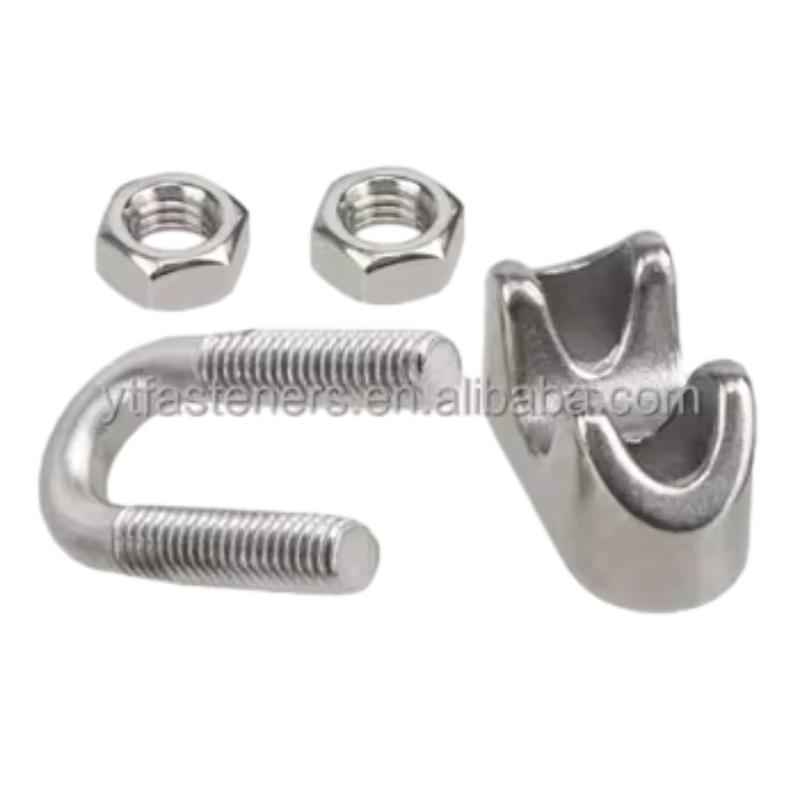
Figure 3: Wire rope clamps in a complex rigging setup, ensuring secure connections.
Vendor Comparison and Selection Criteria
Choosing the right supplier for wire rope clamps is crucial for ensuring operational safety, longevity, and cost-efficiency. B2B decision-makers should evaluate vendors based on several key criteria beyond just price.
Key Comparison Factors:
- Certifications & Compliance: Does the vendor adhere to international standards such as ISO 9001, DIN, ASME B30.26, and CE directives? Certifications are a direct indicator of quality assurance and commitment to safety.
- Material Quality & Traceability: Transparency in material sourcing and detailed material certifications are vital. Reputable vendors provide full traceability from raw material to finished product.
- Manufacturing Expertise: Experience in casting, forging, and galvanization processes, coupled with advanced QA/QC protocols, ensures product consistency and performance.
- Customization Capabilities: The ability to provide bespoke solutions for unique project requirements, including specialized finishes, materials (e.g., specific grades of stainless steel), or dimensions.
- Lead Time & Logistics: Efficient supply chain management and reliable delivery schedules are essential to minimize project delays.
- Technical Support & After-Sales Service: A strong technical support team that can assist with product selection, installation guidance, and troubleshooting adds significant value.
Vendor Comparison Matrix Example:
| Criterion | Our Offering | Competitor A | Competitor B |
|---|---|---|---|
| ISO 9001 Certified | Yes | Yes | No |
| Material Traceability | Full | Limited | Partial |
| Customization | High | Medium | Low |
| Lead Time (Avg.) | 2-4 Weeks | 3-6 Weeks | 4-8 Weeks |
| Technical Support | Excellent | Good | Basic |
Customized Solutions for Specialized Applications
While standard DIN741 wire rope clips meet the needs of many applications, highly specialized industrial projects often require bespoke solutions. Our expertise lies in providing tailored adjustable wire rope clamp designs and manufacturing services to meet these unique demands.
- Material Customization: Offering options beyond malleable cast steel, such as 304 or 316 stainless steel for extreme corrosion resistance, or high-strength alloy steels for greater load capacities.
- Dimensional Modifications: Producing rope clips for non-standard wire rope diameters or with specific U-bolt lengths and saddle widths to optimize fit and performance for unusual rigging configurations.
- Surface Treatment Options: Beyond hot-dip galvanization, we can provide electro-galvanization, specialized paint coatings, or even uncoated finishes for specific aesthetic or functional requirements.
- Integrated Solutions: Developing combined rigging components where the rope wire clamp is an integral part of a larger assembly, streamlining installation and enhancing overall system reliability.
Our engineering team works closely with clients to understand their specific operational environment, load requirements, and regulatory compliance needs, ensuring the customized solution delivers optimal performance and safety.
Application Case Studies: Proving Expertise and Reliability
Our extensive experience in providing wire rope clamps to diverse industries underscores our capability and commitment to quality.
Case Study 1: Offshore Platform Lifeline Installation
- Client: Major Oil & Gas Exploration Company.
- Challenge: Installation of safety lifelines on an offshore drilling platform required robust rope clips that could withstand extreme corrosive marine environments, constant vibration, and varying temperature differentials, ensuring worker safety.
- Solution: We supplied customized 316L stainless wire clamps, exceeding DIN741 standards for material and finish, and specifically designed for enhanced fatigue resistance. Each batch underwent rigorous salt spray testing for 1000+ hours.
- Outcome: The clamps have performed flawlessly for over five years, significantly surpassing the expected service life of standard galvanized alternatives, contributing to a substantial reduction in maintenance and replacement costs. The client praised the reliability and durability under harsh conditions.
Case Study 2: Hydropower Dam Maintenance Project
- Client: National Energy Corporation.
- Challenge: During a critical maintenance shutdown, large sluice gates required temporary suspension using wire ropes. The wire rope clamp fixing had to be quick to install, extremely secure, and resistant to fresh-water corrosion, with a tight installation timeline.
- Solution: We provided DIN741 malleable cast steel clamps, hot-dip galvanized, for 32mm diameter wire ropes, with express delivery. Our technical team offered on-site guidance for proper installation and torque specifications, ensuring compliance with ASME B30.26.
- Outcome: The project was completed ahead of schedule, with all temporary rigging points holding securely throughout the complex operation. The client noted the ease of installation and the robust performance of the metal rope clamps as key factors in the project's success, highlighting our responsiveness and product reliability.
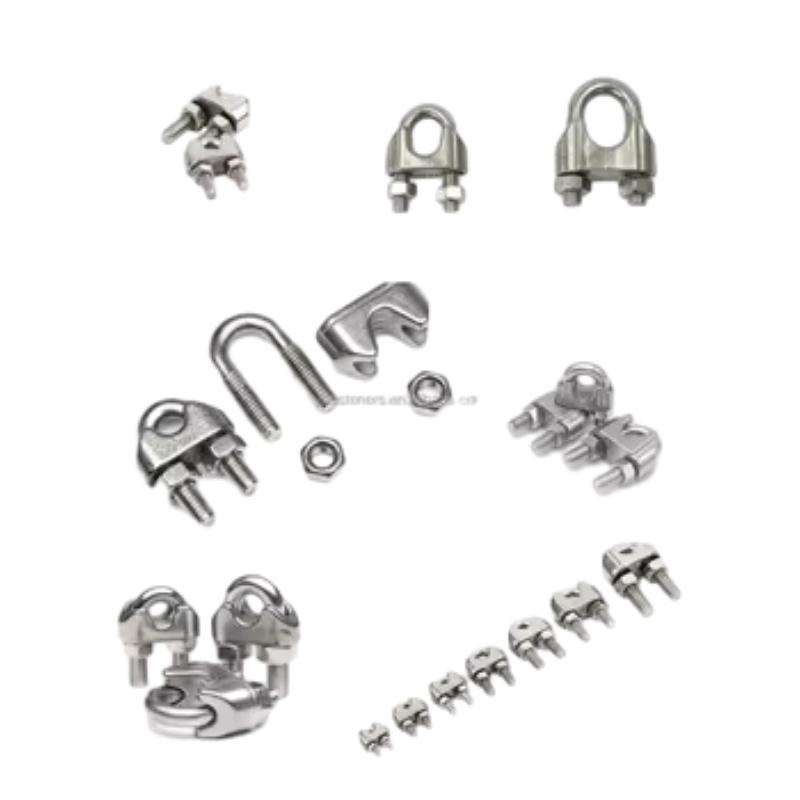
Figure 4: Securely fastened wire rope clips in an industrial lifting application.
Quality Assurance and Authoritative Certifications
Our commitment to quality is unwavering, serving as the bedrock of our reputation as a trusted provider of industrial rigging hardware. Every wire rope clamp we produce is manufactured under stringent quality control protocols, adhering to international standards to guarantee superior performance and safety.
- ISO 9001:2015 Certified: Our entire manufacturing and supply chain management system is certified under ISO 9001, demonstrating our commitment to consistent quality and customer satisfaction.
- DIN 741 Compliance: All malleable cast steel wire rope clamps strictly adhere to the German Industrial Standard (DIN) 741, ensuring dimensional accuracy, material integrity, and performance characteristics are met.
- Material Certifications: We provide comprehensive material test reports (MTRs) for all raw materials, ensuring full traceability and verification of chemical composition and mechanical properties.
- Proof Load Testing: Batch testing includes proof load verification, ensuring that the wire rope clips can withstand specified forces without permanent deformation.
- Magnetic Particle Inspection (MPI): For critical applications, components may undergo MPI to detect surface and subsurface discontinuities, ensuring structural integrity.
Our long-standing relationships with leading enterprises across petrochemical, marine, and construction sectors attest to the authoritative nature of our product quality and service reliability. We have consistently met and exceeded the expectations of demanding clients for over two decades.
Trustworthiness, Lead Time, Warranty, and Support
Building lasting partnerships in the B2B sector requires more than just high-quality products; it demands transparency, reliability, and robust support systems.
Frequently Asked Questions (FAQ):
Q: What is the recommended number of wire rope clamps for a secure eye-loop?
A: The exact number depends on the wire rope diameter and type. For DIN741 malleable clamps, refer to the product specification table or ASME B30.26 standards, which typically recommend 2-4 clamps, with spacing of at least six rope diameters, and proper torque application.
Q: Can your rope clips be used for overhead lifting applications?
A: DIN741 malleable cast steel clamps are generally for forming eye-loops or securing ends in non-lifting applications. For critical overhead lifting, specific forged wire rope grips or mechanical splices designed for lifting should be used, typically conforming to higher standards like EN 13411-5 (Flemish eye splice) or ASME B30.9 for slings. Always consult the relevant safety standards and product WLL (Working Load Limit).
Q: What is the typical service life of your galvanized wire rope clamps?
A: The service life varies significantly based on environmental conditions, frequency of use, and proper installation. However, with hot-dip galvanization and correct application, our clamps are designed for prolonged use, typically ranging from 5-15 years in moderate conditions, often extending beyond that in less aggressive environments, before replacement is advised based on visual inspection for wear or corrosion.
Lead Time & Fulfillment:
We maintain robust inventory levels for standard DIN741 wire rope clamps, enabling swift dispatch for urgent orders. Typical lead times for standard products are 2-4 weeks, with expedited options available for critical requirements. Custom orders may require 6-8 weeks, depending on complexity and material sourcing. We operate a highly efficient logistics network, ensuring timely and secure global delivery.
Warranty Commitments:
All our wire rope clamps come with a comprehensive 12-month warranty against manufacturing defects from the date of purchase. This warranty reflects our confidence in the quality and durability of our products, provided they are installed and used according to industry standards and manufacturer guidelines.
Customer Support:
Our dedicated customer support team and technical specialists are available to assist with product selection, technical specifications, installation queries, and after-sales support. We provide detailed documentation, including product manuals and safety guidelines, to ensure optimal product usage and maximum longevity. Reach out to us via phone or email for prompt and expert assistance.
Conclusion
The wire rope clamp, exemplified by the DIN741 malleable cast steel variant, remains a foundational component in industrial rigging and lifting operations. Its simplicity belies its critical role in ensuring safety, stability, and operational efficiency across sectors from petrochemicals to marine engineering. Through stringent manufacturing processes, adherence to international standards, and continuous innovation in materials and finishes, modern rope clips offer unparalleled reliability and extended service life. For B2B stakeholders, prioritizing suppliers who demonstrate expertise, provide robust technical data, offer customization capabilities, and back their products with solid warranties and support is not just a preference, but a strategic imperative. As industrial demands grow in complexity, the commitment to quality in every wire rope clamp ensures that critical operations remain secure, efficient, and compliant with the highest safety standards.
References
- ASME B30.26-2020: Rigging Hardware. The American Society of Mechanical Engineers.
- ISO 9001:2015: Quality management systems – Requirements. International Organization for Standardization.
- DIN 741: Wire rope clips – Malleable cast iron. Deutsches Institut für Normung.
- ISO 1461:2022: Hot-dip galvanized coatings on fabricated iron and steel articles – Specifications and test methods. International Organization for Standardization.
- OSHA 1926.251(c)(5): Wire rope clips. Occupational Safety and Health Administration.
-
Guide to Calculating the Best Expansion Anchor Bolt Length
NewsApr.16,2026
-
Guide to the Correct Drill Size for 3 8 Wedge Anchor Installation
NewsApr.09,2026
-
Comprehensive Guide to Dottie Wedge Anchor Selection and Installation
NewsApr.07,2026
-
Comprehensive Guide to Ceiling Wedge Anchors for Secure Installations
NewsApr.04,2026
-
Understanding the Versatility and Applications of Carbon Steel Wedges
NewsMar.31,2026
-
The Essential Guide to Bolt Wedges Strength and Application
NewsMar.28,2026
 English
  Bengali
  Bulgarian
  Catalan
  Czech
Czech  French
  German
  Hindi
Hindi  Hungarian
  Italian
  Kazakh
  Korean
  Portuguese
  Romanian
  Slovak
  Somali
  Spanish
  Turkish


