Look, after running around construction sites all year, dealing with dust and blueprints, you start to see patterns. Everyone’s talking about modular construction now, prefabricated everything. It’s the future, they say. Honestly, it is changing things, but it's not a magic bullet. Faster build times, less waste… sounds good on paper, right? But there’s always a catch.
I've been seeing a lot of emphasis on design for manufacturability (DFM) – which is great, don't get me wrong. But people forget that "manufacturability" doesn't end at the factory door. It’s got to survive transport, installation, and, most importantly, the guys actually using it. I’ve seen designs that looked perfect in CAD, but were a nightmare to assemble on site.
You really get a feel for materials when you're handling them day in and day out. We’re using a lot more high-strength steel these days – S355J2, mostly. It smells a bit oily when you first cut it, a metallic tang. Feels…substantial. Not like that flimsy stuff they were using ten years ago. It’s heavier, though. A little heavier than it looks, actually. Makes the riggers grumble, but it’s safer.
Industry Trends and Design Pitfalls
Have you noticed how everyone’s pushing for faster turnaround? Clients want buildings up yesterday. That pressure filters down, and suddenly, corners get cut. I encountered this at a factory in Suzhou last time. They were rushing a batch of anchor bolts, skipping a heat treatment step. Strangely enough, nobody spoke up until the engineer on site spotted it. Nearly caused a whole section to fail.
The trend is definitely towards more standardized components. Easier to source, easier to replace. But that also means less flexibility. I think there's a danger in over-standardization. You lose the ability to adapt to unique site conditions.
Material Selection: The Feel of Quality
We’ve moved past basic carbon steel for most critical applications. Now it’s stainless steel – 316, mostly for corrosion resistance – and increasingly, duplex stainless steel. That stuff’s tough. You can tell when you’re tightening it; it doesn't deform easily. It’s expensive, sure, but you’re paying for reliability. We also use a lot of galvanized steel, but the quality varies hugely. Some of that cheap stuff… well, let’s just say I wouldn’t trust it to hold up a birdhouse.
And don’t even get me started on the epoxy coatings. Some of them are brittle as glass, crack the moment you over-torque a bolt. Others are surprisingly resilient. It’s all about finding the right formulation.
Anyway, I think the key is understanding where you need the strength, and where you can compromise. You don’t need aerospace-grade materials for every single bolt.
Real-World Testing and Validation
Lab tests are fine, I guess. But they don't tell the whole story. I've seen anchor bolts pass all the lab tests and still fail spectacularly on site. Why? Vibration. Thermal expansion. The sheer abuse they take from workers who aren’t exactly known for their gentle touch.
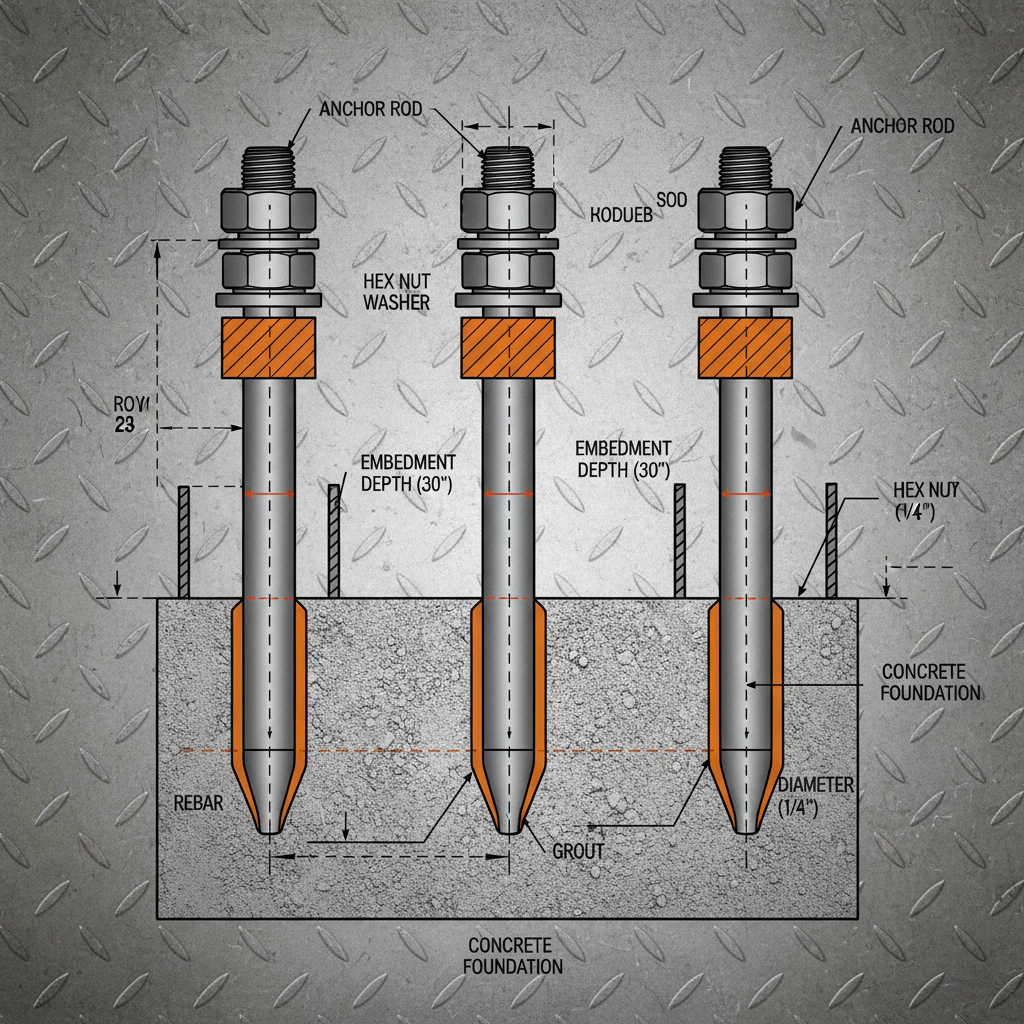
We do pull-out tests, obviously. But we also do simulated fatigue tests – basically, repeatedly tightening and loosening the bolts under load. That’s where you really see which ones are going to last. And we monitor them during construction. Torque readings, visual inspections… you have to catch problems early.
To be honest, the best testing is time. Let it sit for a year, two years, and see what happens. That’s the ultimate validation. But clients rarely want to wait that long, do they?
How Users Actually Interact with Anchor Bolt Types
This is where things get interesting. You design a system with specific torque values, installation procedures… but then you watch the guys on site and they do things differently. They’ve got their own techniques, their own preferred tools. Sometimes they’re right, sometimes… not so much.
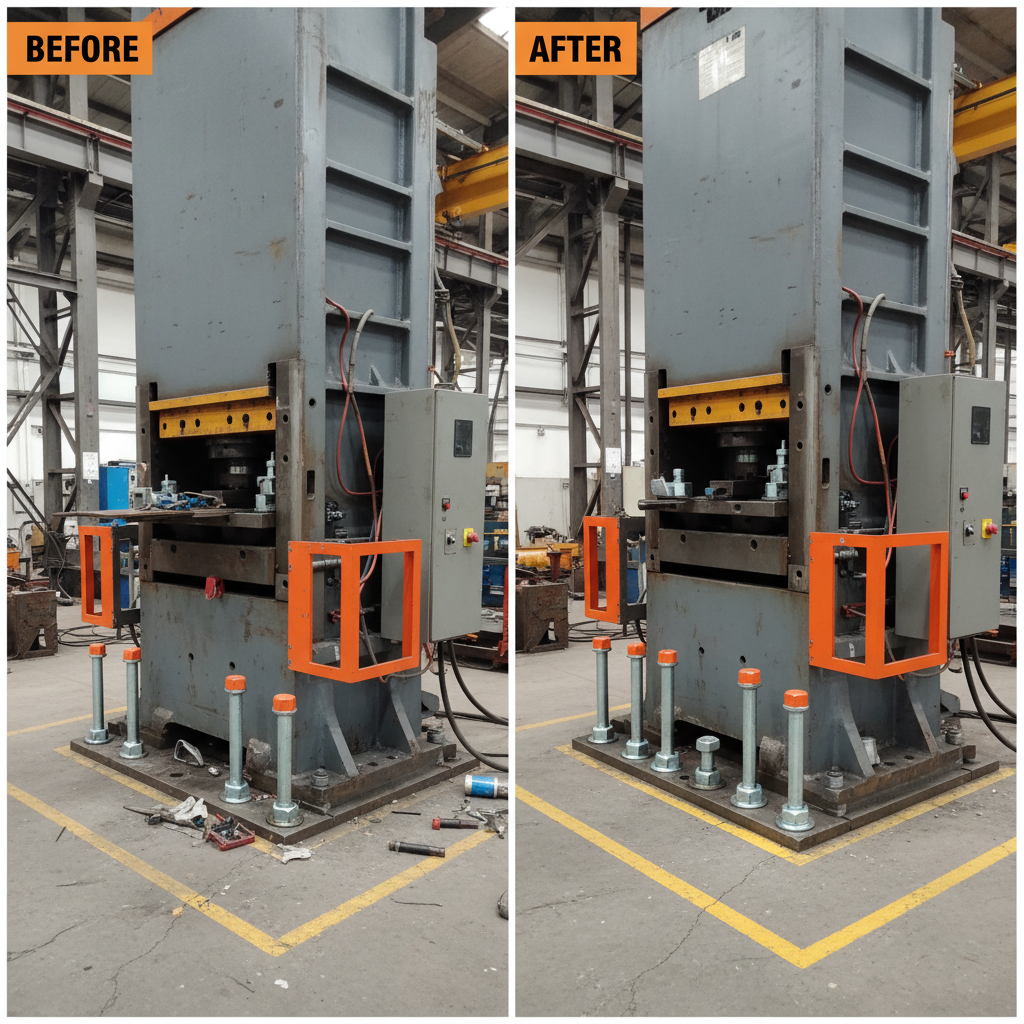
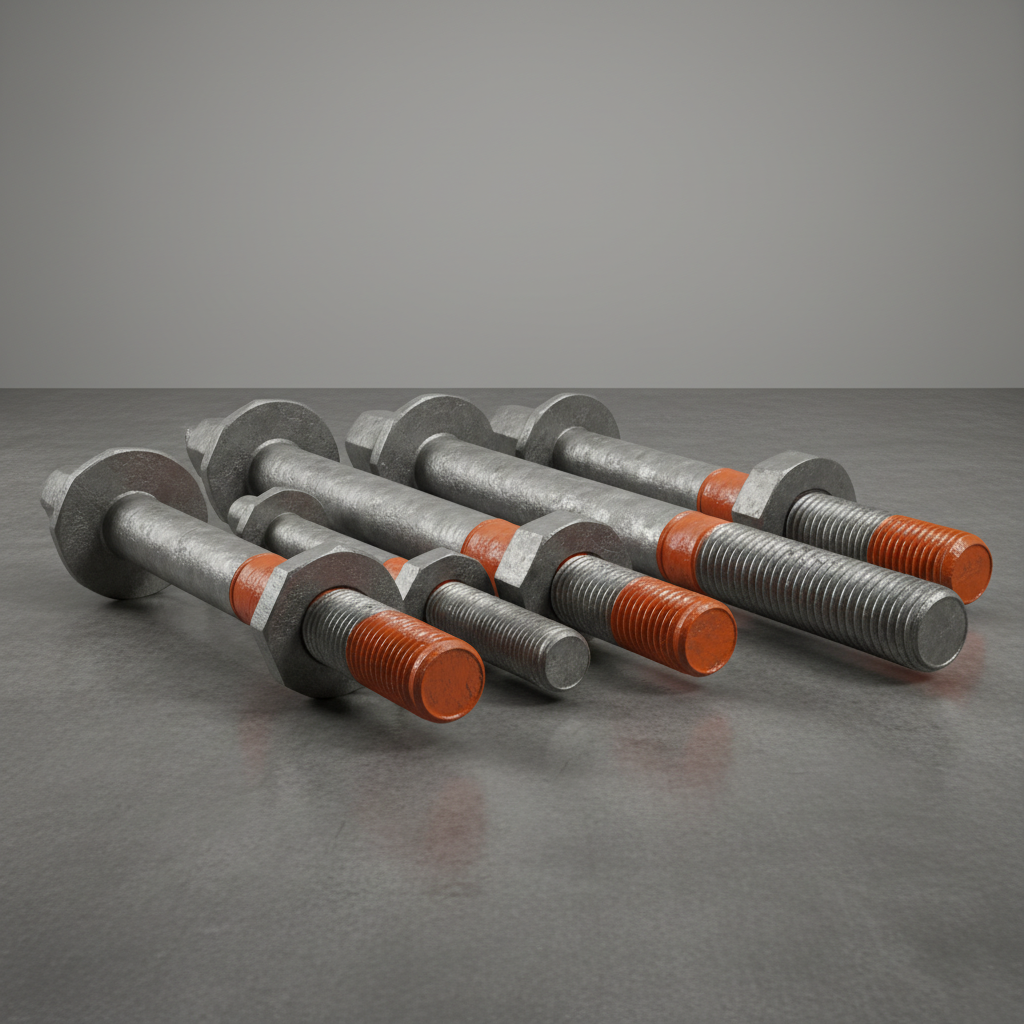
I’ve seen guys use impact wrenches when they should be using torque wrenches. I’ve seen them over-tighten bolts until they strip the threads. It’s frustrating, but you can’t always control everything. The key is to make the system as foolproof as possible. Clear instructions, color-coded components… anything that reduces the chance of error.
Anchor Bolt Type Performance Comparison
Advantages and Disadvantages: A Balanced View
The big advantage of modern anchor bolt types? Speed. Prefabrication, optimized designs… it all adds up to faster build times. They’re also generally stronger and more reliable than older methods. And, when you get it right, there's less waste.
But there are downsides. Cost is a big one. High-strength materials and specialized manufacturing processes aren’t cheap. And, as I said before, flexibility can be an issue. If you need to make a change on site, it can be a real pain. Later… Forget it, I won’t mention it.
Customization Capabilities and a Real-Life Story
You can customize a lot of these systems, surprisingly. Length, diameter, material grade… even the coating. Last month, that small boss in Shenzhen who makes smart home devices insisted on changing the interface to , and the result was a two-week delay and a whole lot of headaches. He wanted a "premium" look, apparently. Honestly, it made no functional difference, but he was adamant. Clients, right?
But sometimes customization is essential. We had a project in Hong Kong, a retrofit on an old building. The existing concrete was… questionable. We had to design a custom anchor bolt with a wider baseplate to distribute the load more evenly. It was a pain, but it saved the whole project.
Performance Comparison of Anchor Bolt Types
So, you’re trying to pick the right anchor bolt for your project? There’s no easy answer. It depends on the load, the material you’re anchoring into, the environment… You need to consider it all.
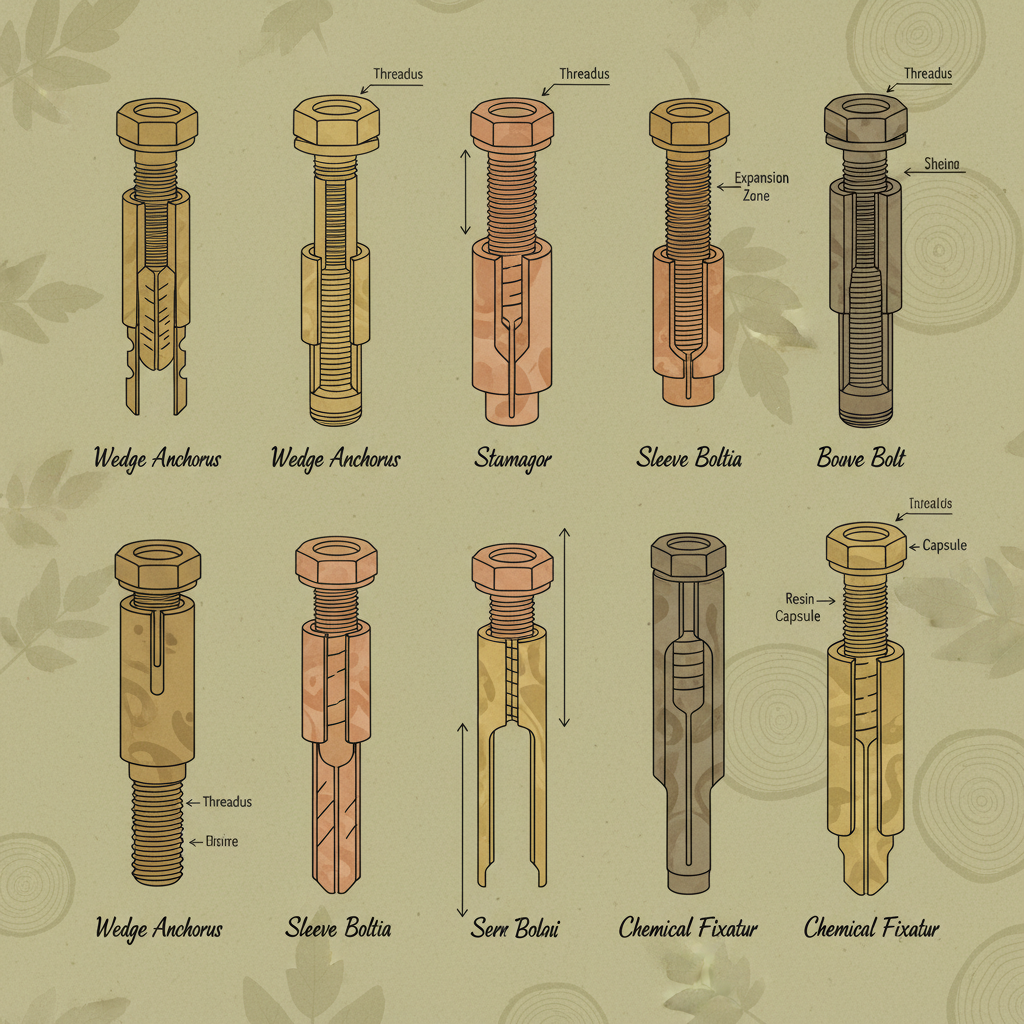
Here's a rough comparison of common types. Don’t take it as gospel, mind you.
Anchor Bolt Type Performance Summary
| Anchor Bolt Type |
Load Capacity (kN) |
Corrosion Resistance (1-5) |
Installation Ease (1-5) |
| Wedge Anchor |
50-150 |
3 |
4 |
| Sleeve Anchor |
40-120 |
2 |
5 |
| Chemical Anchor |
75-200 |
4 |
3 |
| Through Bolt |
100-300 |
5 |
2 |
| Expansion Bolt |
30-80 |
1 |
4 |
| Stud Anchor |
60-180 |
3 |
3 |
FAQS
Honestly, it’s underestimating the load. They look at the static weight and forget about wind loads, seismic forces, dynamic impacts... you’ve got to factor it all in. And don’t skimp on the safety factor. I’ve seen projects nearly collapse because someone tried to save a few bucks on the anchors. It’s not worth it.
Crucial. Absolutely crucial. If you’re anchoring into crumbly, poorly consolidated concrete, your anchor isn’t going to hold, no matter how good it is. You need to do core testing to verify the concrete strength. And if it's substandard, you either need to improve it or use a different anchoring method.
Look for cracks around the anchor point, movement in the anchored object, or corrosion on the anchor itself. If you hear creaking or popping sounds, that’s a bad sign. And, if you have access to torque monitoring equipment, a sudden drop in torque can indicate a problem.
Generally, no. Once an anchor bolt has been stressed, its holding capacity is reduced. It’s always best to replace it with a new one. There are exceptions, but it’s risky. Don’t mess around with structural integrity, understand? You can’t just assume it will hold.
Use stainless steel anchors in corrosive environments. Apply a protective coating to carbon steel anchors. Ensure proper drainage around the anchor points to prevent water buildup. And regularly inspect the anchors for signs of corrosion. Prevention is always better than cure.
Chemical anchors are generally better for cracked concrete and for heavier loads. Mechanical anchors are easier to install and are more suitable for non-cracked concrete and lighter loads. Consider the specific application and consult with a structural engineer if you’re unsure.
Conclusion
Ultimately, all these fancy materials and designs boil down to one thing: holding something in place. We spend months analyzing stress loads, corrosion resistance, and installation procedures. But the real test comes when a worker tightens that bolt, hoping it’ll stay put for decades.
And that’s what I think about, honestly. Making sure that worker feels confident, that the structure is safe, and that the job is done right. It’s not glamorous, but it’s important. And if we can keep learning from the field, keep improving our designs, and keep listening to the guys on the ground, then we’ll be doing something right.




 English
  Bengali
  Bulgarian
  Catalan
  Czech
Czech  French
  German
  Hindi
Hindi  Hungarian
  Italian
  Kazakh
  Korean
  Portuguese
  Romanian
  Slovak
  Somali
  Spanish
  Turkish