


Mar . 05, 2026 02:05 Back to list
Comprehensive Guide to 7451sd1 for International Trade and Customs Compliance
Understanding the 7451sd1: A Comprehensive Guide for Global Trade
The 7451sd1 designation represents a critical component in international shipping and customs compliance. It's a core element within the Harmonized System (HS) code, vital for accurate classification of goods and determining applicable tariffs, taxes, and trade regulations. For businesses engaged in cross-border trade, a thorough understanding of the 7451sd1 is paramount to smooth and cost-effective operations. This article will provide an in-depth look at what 7451sd1 signifies, its implications, and how to leverage this knowledge to optimize your import/export processes. Accurate HS code classification can minimize delays, avoid penalties, and ensure competitive pricing in the global marketplace.
Decoding the 7451sd1 HS Code
The 7451sd1 is part of a larger system. Let's break it down. The '74' indicates the chapter related to miscellaneous chemical products. '51' narrows it down to organic solvents. The 'sd1' represents a specific sub-classification within organic solvents, often referring to a particular chemical compound or mixture. It is crucial to note that the 'sd1' portion can vary depending on the specific product being shipped. Determining the precise 7451sd1 code requires careful analysis of the product's composition and intended use. Using the wrong HS code can lead to significant issues with customs authorities, including delays, fines, and even seizure of goods. YT Bolt can assist businesses in accurate HS code determination.
Key Highlights: The 7451sd1 is a subsection of the Harmonized System code used to classify organic solvents, essential for international trade compliance.
The Importance of Accurate Classification with 7451sd1
Accurate classification using the 7451sd1, or its relevant sub-codes, is more than just a formality; it’s fundamental to successful international trade. The HS code directly influences the duties and taxes levied on imported goods. Incorrect classification can result in overpayment or underpayment of these charges, leading to financial penalties and legal complications. Furthermore, many countries utilize HS codes for trade statistics and preferential trade agreements. Incorrect classification can disqualify your goods from benefiting from reduced tariff rates. Therefore, investing in accurate classification services or developing internal expertise is a critical component of a robust international trade strategy.
Benefits of Accurate 7451sd1 Classification:
• Reduced duty and tax costs
• Avoidance of penalties and delays
• Qualification for preferential trade agreements
• Streamlined customs clearance
7451sd1 vs. Other Similar HS Codes: A Comparative Look
Distinguishing between similar HS codes is a common challenge. For instance, 7451sd1 must be differentiated from other codes related to chemical products, such as those for alcohols (Chapter 29) or acids (Chapter 30). The key lies in the precise chemical composition and intended use. Organic solvents, as categorized under 7451sd1, are typically used for dissolving, thinning, or cleaning purposes. Misclassifying an organic solvent as an alcohol, for example, could result in a significantly different duty rate. Careful consideration of the product’s properties and functionality is crucial for correct classification.
Navigating 7451sd1 in Global Trade: Resources and Tools
Successfully navigating the complexities of the 7451sd1 code requires access to reliable resources. The World Customs Organization (WCO) provides the official Harmonized System Nomenclature, but it can be complex to interpret. Many countries also have their own tariff schedules that provide more detailed classifications. Online HS code lookup tools can be helpful, but it’s essential to verify the information with official sources. Consulting with a customs broker or trade compliance specialist is often the most effective approach, particularly for businesses new to international trade. YT Bolt offers comprehensive trade compliance services.
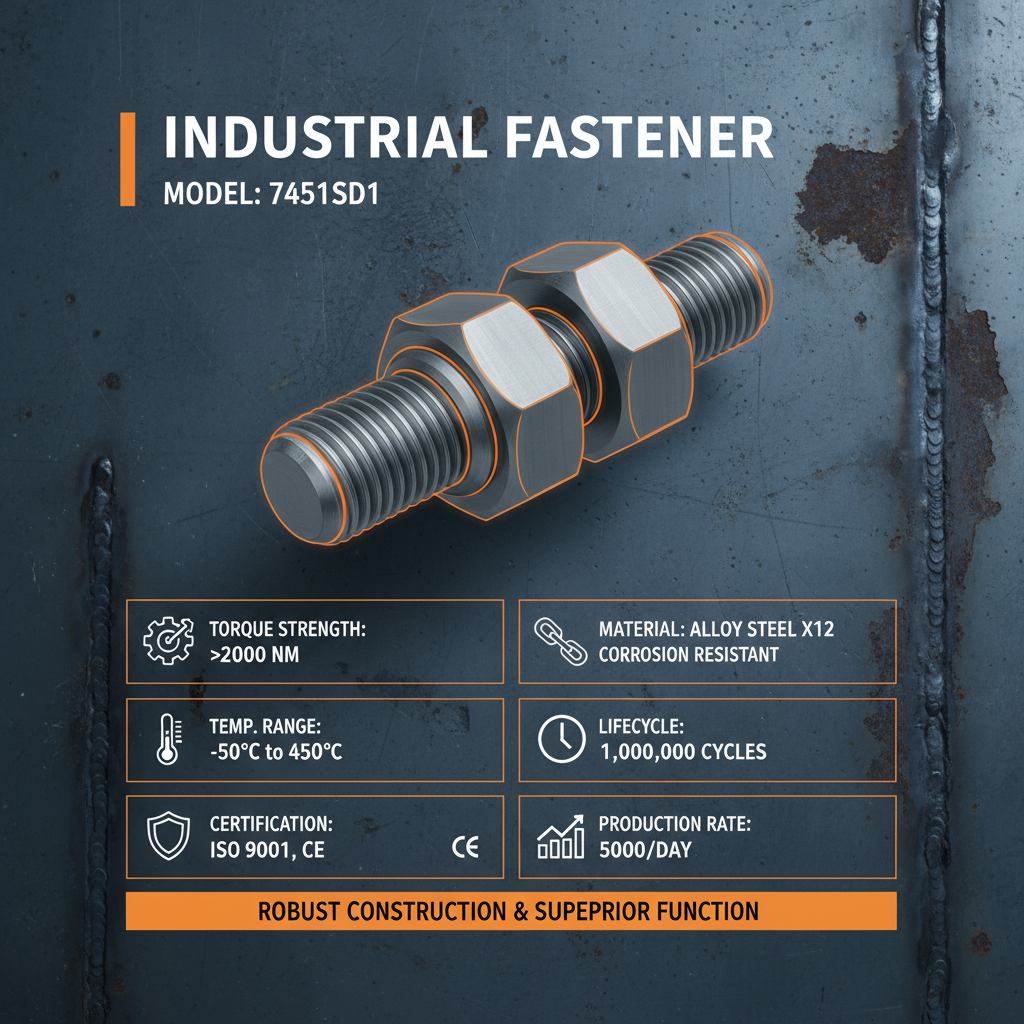
Staying Updated with 7451sd1: Changes and Revisions
The Harmonized System is periodically updated to reflect changes in technology, trade patterns, and product categories. It's crucial to stay informed about these revisions to ensure your HS code classifications remain accurate. The WCO typically implements updates every five years. National customs authorities may also issue their own interpretations and amendments to the HS code. Regularly reviewing your HS code classifications and subscribing to updates from relevant authorities are essential for maintaining compliance.
Conclusion: Mastering the 7451sd1 for Global Trade Success
Understanding the 7451sd1 and its nuances is vital for businesses operating in the global marketplace. Accurate classification minimizes risks, optimizes costs, and ensures smooth trade operations. By leveraging available resources and staying informed about updates, companies can confidently navigate the complexities of international trade and unlock new opportunities for growth.
Frequently Asked Questions (FAQs)
What resources can I use to determine the correct 7451sd1 code for my product?
Several resources are available, including the World Customs Organization (WCO) website, national tariff schedules published by customs authorities, and online HS code lookup tools. However, these tools should be used with caution and their results verified with official sources. Consulting a customs broker or trade compliance specialist is highly recommended, especially for complex products. They can provide expert guidance and ensure accurate classification. YT Bolt provides professional HS code classification services to streamline your import/export processes.
How often are HS codes updated?
The Harmonized System is generally updated every five years by the WCO. However, national customs authorities may issue their own amendments and interpretations more frequently. It's essential to stay informed about these changes to ensure your HS code classifications remain accurate. Subscribing to updates from your country's customs authority and regularly reviewing your classifications are recommended best practices.
What are the consequences of misclassifying goods under the 7451sd1 code?
Misclassifying goods can lead to several negative consequences, including fines, penalties, delays in customs clearance, seizure of goods, and even legal action. Incorrect classification can also result in overpayment or underpayment of duties and taxes, leading to further complications. Accurate HS code classification is critical for maintaining compliance and avoiding costly mistakes.
-
Guide to Calculating the Best Expansion Anchor Bolt Length
NewsApr.16,2026
-
Guide to the Correct Drill Size for 3 8 Wedge Anchor Installation
NewsApr.09,2026
-
Comprehensive Guide to Dottie Wedge Anchor Selection and Installation
NewsApr.07,2026
-
Comprehensive Guide to Ceiling Wedge Anchors for Secure Installations
NewsApr.04,2026
-
Understanding the Versatility and Applications of Carbon Steel Wedges
NewsMar.31,2026
-
The Essential Guide to Bolt Wedges Strength and Application
NewsMar.28,2026
 English
  Bengali
  Bulgarian
  Catalan
  Czech
Czech  French
  German
  Hindi
Hindi  Hungarian
  Italian
  Kazakh
  Korean
  Portuguese
  Romanian
  Slovak
  Somali
  Spanish
  Turkish


