


Sep . 02, 2025 03:00 Back to list
Premium Expansion Bolts: Strong, Secure Anchors for All Needs
The Indispensable Role of Expansion Bolts in Modern Infrastructure
In the realm of B2B construction and industrial fastening, the expansion bolt stands as a critical component, enabling secure and reliable connections in a myriad of applications. From anchoring heavy machinery to securing structural elements, these fasteners are engineered for robust performance in demanding environments. This comprehensive guide delves into the technical intricacies, application diversity, and strategic importance of expansion bolts, providing insights crucial for engineers, procurement specialists, and project managers. Our focus is on high-quality carbon steel wedge anchors with silvery zinc plating, renowned for their strength and corrosion resistance.
Often referred to interchangeably as anchor bolts, wall bolts, or foundation bolts, these fasteners are designed to create a strong, non-removable connection to a substrate by expanding within a drilled hole. The selection of the correct anchor rod or anchor fastener is paramount for ensuring structural integrity and long-term safety across diverse industrial sectors.
Current Industry Trends and Market Dynamics
The market for industrial fasteners, particularly for the expansion bolt, is continually evolving, driven by global infrastructure development, technological advancements in material science, and increasing demands for sustainability and safety. Key trends include:
- Advanced Materials and Coatings: There is a growing preference for enhanced corrosion protection, leading to increased adoption of materials like stainless steel and specialized coatings such as hot-dip galvanizing or silvery zinc plating, especially for exterior applications like light pole anchor bolts.
- Smart Construction Integration: The integration of IoT and smart sensors in large-scale projects is leading to a demand for fasteners that can withstand dynamic loads and allow for structural monitoring.
- High-Performance Anchoring Solutions: Projects requiring superior seismic resistance and fatigue strength are driving the demand for specialized rock anchors and high-capacity foundation bolts.
- Standardization and Certification: A heightened focus on compliance with international standards (e.g., ISO, CE, ASTM) ensures reliability and reduces risks in critical applications.
- Customization and Specialty Fasteners: As projects become more complex, the need for customized anchor rod and anchor fastener solutions, tailored to unique load requirements and environmental conditions, is on the rise.
These trends underscore the importance of selecting robust, certified, and application-appropriate fasteners to meet the rigorous demands of modern construction and industrial operations.
The Manufacturing Process of a High-Quality Expansion Bolt
The production of a robust expansion bolt, particularly a carbon steel wedge anchor, involves a meticulously controlled process to ensure consistent quality and performance. This process integrates advanced metallurgy with precision engineering to produce fasteners capable of enduring significant stresses.
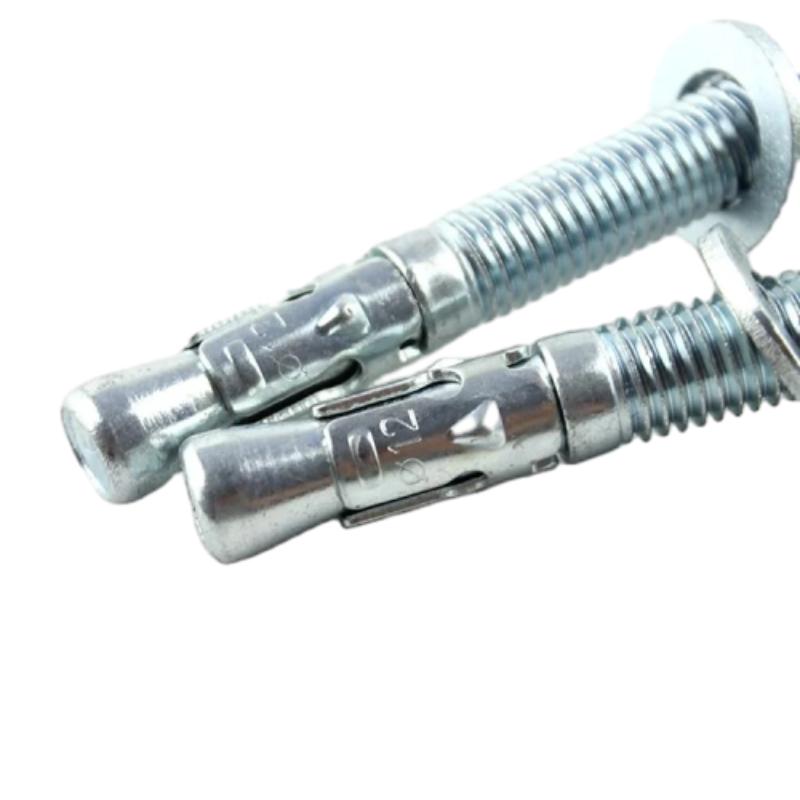
Schematic Process Flow:
- Material Selection and Preparation: High-grade carbon steel rods are chosen, typically C1008 or C1010, for their excellent balance of strength and ductility. These materials conform to ASTM F1554 or equivalent standards. The rods are cut to specific lengths.
- Cold Forging/Heading: The cut steel sections undergo cold forging, where high-pressure dies form the head and the wedge mechanism. This process refines grain structure, enhancing the fastener's tensile strength and fatigue resistance without requiring subsequent heat treatment for structural components.
- Thread Rolling: Instead of cutting threads, which can weaken the material, the shanks are thread-rolled. This process forms the threads by plastically deforming the material, resulting in stronger, more precise threads that are less susceptible to stripping.
- Machining (Wedge Component): Specialized CNC machining is used to create the precise tapered wedge and expansion clip components, ensuring optimal engagement with the concrete or masonry substrate upon installation.
- Heat Treatment (Optional, for higher grades): While standard carbon steel wedge anchors often rely on cold forming for strength, some higher-grade variants may undergo localized heat treatment to further enhance hardness and wear resistance, particularly for critical anchor rod applications.
- Surface Treatment (Silvery Zinc Plating): A crucial step for corrosion resistance, the fasteners are electroplated with a silvery zinc coating. This sacrificial layer protects the carbon steel base material from oxidation, extending the service life significantly, especially in mildly corrosive environments typical for foundation bolts and M16 anchor bolts. This plating adheres to standards such as ASTM B633.
- Assembly: The wedge, expansion clip, nut, and washer are assembled onto the threaded rod.
- Quality Control and Testing: Each batch undergoes rigorous testing, including tensile strength tests, shear strength tests, torque tests, and salt spray corrosion resistance tests. Adherence to international standards such as ISO 9001, ANSI B18.2.1, and ASTM F1554 ensures product reliability and performance, with a typical service life exceeding 20 years under specified conditions.
This meticulous process ensures that the finished expansion bolt offers superior advantages in target industries such as petrochemical, metallurgy, water supply & drainage, construction, and heavy manufacturing. Key advantages include energy saving through optimized fastening solutions and enhanced corrosion resistance, which is vital for long-term structural integrity.
Technical Specifications and Performance Parameters
Understanding the precise technical specifications of an expansion bolt is fundamental for proper selection and safe application. Critical parameters include material grade, diameter, length, thread type, embedment depth, and most importantly, the ultimate tensile and shear strengths. These values dictate the load-bearing capacity of the anchor.
Product Specification Table: Carbon Steel Wedge Anchors with Silvery Zinc Plated
| Parameter | M10 Anchor Bolt (3/8") | M12 Anchor Bolt (1/2") | M16 Anchor Bolt (5/8") |
|---|---|---|---|
| Material Grade | Carbon Steel (C1008/C1010) | Carbon Steel (C1008/C1010) | Carbon Steel (C1008/C1010) |
| Surface Treatment | Silvery Zinc Plated (ASTM B633) | Silvery Zinc Plated (ASTM B633) | Silvery Zinc Plated (ASTM B633) |
| Nominal Diameter | 10 mm (3/8 inch) | 12 mm (1/2 inch) | 16 mm (5/8 inch) |
| Min. Embedment Depth (Concrete) | 40 mm | 50 mm | 65 mm |
| Ultimate Tensile Strength (Concrete C20/25) | > 25 kN | > 35 kN | > 50 kN |
| Ultimate Shear Strength (Concrete C20/25) | > 15 kN | > 22 kN | > 30 kN |
| Recommended Installation Torque | 25-30 Nm | 40-50 Nm | 80-100 Nm |
Note: Ultimate loads are based on laboratory testing in uncracked concrete (C20/25) and may vary based on actual substrate conditions, edge distance, and spacing. Safety factors must always be applied in design calculations according to local building codes.
Comparison with Other Anchor Types
While the wedge anchor is highly versatile, understanding its position relative to other anchor types (e.g., sleeve anchors, drop-in anchors, chemical anchors) is key for optimized selection.
| Feature | Wedge Anchor (Expansion Bolt) | Sleeve Anchor | Chemical Anchor |
|---|---|---|---|
| Installation Method | Torque controlled expansion | Torque controlled expansion (sleeve collapses) | Resin injection (bond anchor) |
| Substrate Suitability | Solid concrete, stone (uncracked) | Concrete, brick, block | Cracked/uncracked concrete, hollow block, rebar |
| Load Bearing Capacity | High (strong pull-out resistance) | Medium to High (depending on type) | Very High (superior shear and tension) |
| Edge Distance & Spacing | Requires careful consideration to avoid spalling | More forgiving than wedge, but still a factor | Minimal edge distance/spacing effects |
| Installation Speed | Fast | Fast | Moderate (requires curing time) |
| Cost-Effectiveness | High (excellent performance/cost ratio) | Moderate | Higher |
Diverse Application Scenarios and Technical Advantages
The versatility of the expansion bolt, especially the carbon steel wedge anchor, makes it indispensable across numerous B2B sectors. Its robust design ensures reliable anchoring in solid base materials like concrete and stone.
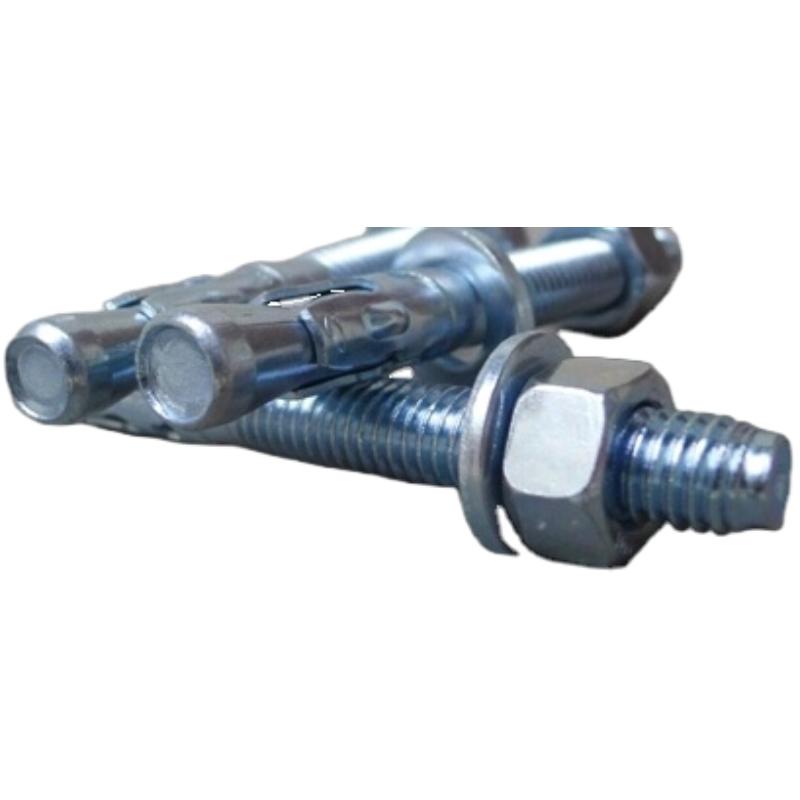
Typical Application Scenarios:
- Structural Steel Fastening: Securing steel beams, columns, and plates to concrete foundations, often utilizing M16 anchor bolts and foundation bolts for heavy loads.
- Heavy Machinery Anchoring: Providing stable bases for industrial equipment, manufacturing lines, and power generators where vibration resistance is critical.
- Facade Systems and Cladding: Attaching external architectural elements and curtain wall systems, ensuring long-term stability against environmental factors.
- Piping and Conduit Supports: Fixing overhead pipe runs, cable trays, and ventilation ducts in industrial facilities, requiring reliable anchor fasteners.
- Utility Infrastructure: Used extensively for securing light pole anchor bolts, traffic signs, and signal poles to concrete bases.
- Railings and Barriers: Anchoring safety railings, handrails, and protective barriers in commercial and industrial settings.
- Pre-Engineered Buildings: Foundation bolt applications for the base plates of pre-engineered metal buildings, ensuring structural integrity.
- Wall Bolts and Rock Anchors: Specific designs can be adapted for securing elements to masonry walls or for geotechnical stabilization.
Key Technical Advantages:
- High Load-Bearing Capacity: Designed to provide superior pull-out and shear strengths in solid concrete, essential for critical applications.
- Ease of Installation: Simple drill-and-torque installation reduces labor time and costs on-site, a significant advantage for large projects requiring many M10 anchor bolts or M12 anchor bolts.
- Reliable Expansion Mechanism: The wedge action creates a positive mechanical interlock with the base material, ensuring a secure and durable connection.
- Corrosion Resistance: The silvery zinc plating offers significant protection against rust and corrosion, extending the product's lifespan and reducing maintenance in many environments.
- Versatility: Available in various diameters and lengths, providing solutions for a wide range of embedment depths and load requirements.
- Compliance: Manufactured to meet or exceed industry standards such as ASTM, ANSI, and ISO, guaranteeing quality and performance.
Vendor Comparison and Customized Solutions
Choosing the right supplier for expansion bolt products is as crucial as selecting the right fastener itself. A reputable vendor offers not just products but also expertise, technical support, and the flexibility for customized solutions.
Key Considerations for Vendor Selection:
- Quality Assurance & Certifications: Look for manufacturers with ISO 9001 certification and products compliant with international standards like ASTM, DIN, and ANSI. This ensures consistent product quality and adherence to safety norms.
- Technical Expertise and Support: A vendor should provide comprehensive technical data, engineering support for complex projects, and guidance on product selection and installation.
- Manufacturing Capabilities: Assess whether the vendor utilizes advanced manufacturing processes (e.g., cold forging, CNC machining) that contribute to superior product performance and reliability.
- Product Range and Customization: A wide range of standard products (e.g., M10 anchor bolt, M12 anchor bolt, M16 anchor bolt, various anchor rod lengths) alongside the ability to deliver customized solutions for unique project requirements.
- Lead Time and Logistics: Efficient production capacity and a robust supply chain are vital for meeting project deadlines, especially for large-scale infrastructure projects.
- After-Sales Service and Warranty: A commitment to customer satisfaction, including clear warranty policies and responsive post-purchase support.
Our Approach to Customized Solutions:
Recognizing that every project presents unique challenges, we specialize in delivering tailored expansion bolt solutions. Our engineering team collaborates closely with clients to develop custom specifications, including:
- Material Variations: Beyond standard carbon steel, we can explore options like stainless steel (A2, A4 grades) for extreme corrosive environments or specialized alloys for high-temperature applications.
- Specialized Coatings: Offering alternative finishes such as hot-dip galvanizing for enhanced outdoor protection, or epoxy coatings for chemical resistance.
- Unique Dimensions: Manufacturing non-standard lengths, diameters, or thread configurations to perfectly match specific structural requirements.
- Application-Specific Designs: Developing custom anchor designs for particular substrates, load conditions (e.g., dynamic vs. static), or installation methods. This could include specialized rock anchors or bespoke foundation bolts.
Our commitment to innovation and engineering excellence ensures that even the most complex fastening challenges are met with precise, high-performance solutions.
Application Case Studies: Real-World Impact
The practical utility and robust performance of the expansion bolt are best illustrated through real-world applications. These case studies highlight the successful deployment of carbon steel wedge anchors in critical infrastructure projects.
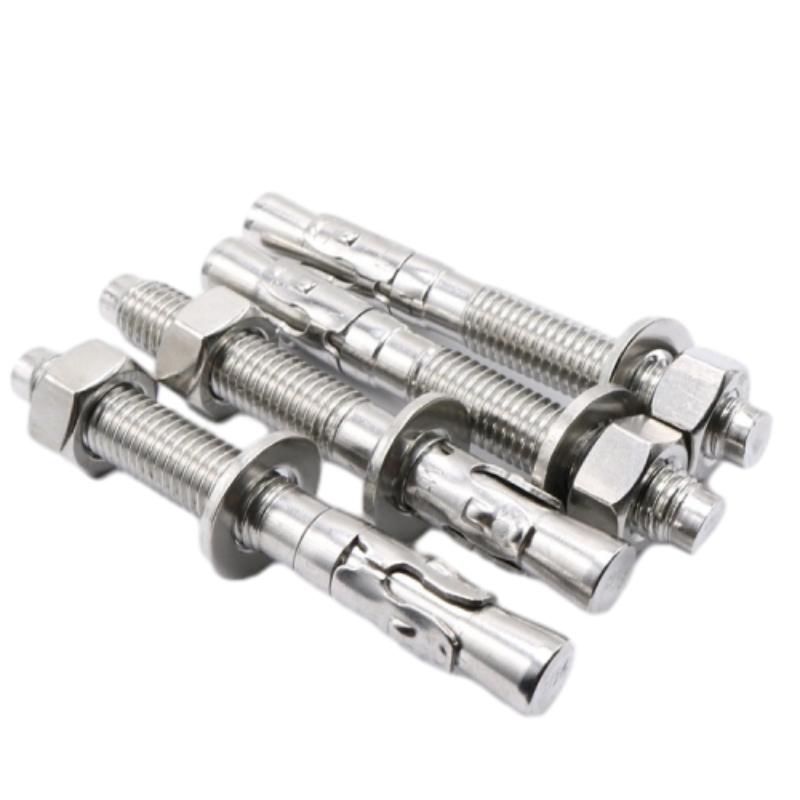
Case Study 1: Petrochemical Plant Expansion
Challenge: A major petrochemical facility required secure anchoring for new heavy-duty pumps and structural supports in a corrosive atmosphere. The existing concrete foundation needed robust fasteners capable of high tensile and shear loads, along with superior corrosion resistance.
Solution: Over 5,000 M16 anchor bolts (carbon steel wedge anchors with enhanced silvery zinc plating) were specified. These anchor fasteners provided the necessary load capacity (Ultimate Tensile Strength > 50 kN) and the plating offered extended protection against chemical exposure and humidity.
Outcome: The anchors demonstrated excellent long-term stability and resistance to the harsh environment, significantly contributing to the operational safety and longevity of the new plant section. Customer feedback highlighted the ease of installation and the consistent quality of the fasteners, leading to timely project completion.
Case Study 2: Water Treatment Facility Upgrade
Challenge: Upgrading a municipal water treatment plant involved anchoring various process equipment, control panels, and safety barriers to existing concrete structures. The environment presented high humidity and intermittent chemical exposure, requiring durable and reliable fastening.
Solution: A combination of M10 anchor bolts and M12 anchor bolts, all carbon steel wedge anchors with robust silvery zinc plating, were selected. Their high ultimate shear and tensile strengths (e.g., M12 > 35 kN tensile) ensured secure anchoring, while the plating provided the necessary resistance to the moist and chemically active conditions.
Outcome: The anchors successfully secured all new installations, maintaining structural integrity even under continuous operational vibrations. The selection of certified products ensured compliance with stringent water utility standards, reinforcing the facility's long-term operational reliability.
Frequently Asked Questions (FAQ)
Q: What is the primary advantage of a wedge anchor expansion bolt over other mechanical anchors?
A: Wedge anchors provide exceptional load-bearing capacity in solid concrete due to their full 360-degree contact expansion mechanism, offering superior pull-out resistance and ease of precise torque-controlled installation.
Q: What does "silvery zinc plated" mean for the expansion bolt's performance?
A: Silvery zinc plating provides a sacrificial coating that protects the underlying carbon steel from rust and corrosion in moderately corrosive environments. It extends the service life and maintains the aesthetic appearance of the anchor, suitable for many indoor and sheltered outdoor applications.
Q: Can these foundation bolts be used in cracked concrete?
A: Standard wedge anchors are generally recommended for uncracked concrete. For applications in cracked concrete or seismic zones, specialized wedge anchors designed and tested for cracked concrete, or chemical anchors, are typically recommended to ensure safety and compliance.
Q: What lead time can be expected for large orders of anchor fasteners?
A: Lead times vary based on order volume and specific customization requirements. For standard M10, M12, or M16 anchor bolts, typical lead times range from 2-4 weeks. Customized or high-volume orders will be quoted with specific lead times tailored to project schedules, leveraging our efficient production and logistics capabilities.
Q: What is your warranty policy and customer support?
A: We stand behind the quality of our products with a comprehensive warranty against manufacturing defects. Our dedicated customer support team is available to assist with product selection, technical inquiries, installation guidance, and any after-sales support to ensure complete satisfaction. We aim for prompt and expert responses to all client needs.
Conclusion: Securing the Future with Reliable Fastening
The expansion bolt, particularly the carbon steel wedge anchor with silvery zinc plating, remains a cornerstone in modern B2B construction and industrial applications. Its demonstrated strength, ease of installation, and robust corrosion resistance make it an invaluable component for ensuring the stability and longevity of critical structures. By adhering to stringent manufacturing processes, meeting international standards, and offering comprehensive technical support and customization, we empower engineers and project managers to achieve superior fastening solutions. From light pole anchor bolts to heavy-duty foundation bolts, selecting the right anchor fastener is paramount for safety, efficiency, and enduring performance in any project.
References:
- ASTM International. (2023). ASTM F1554: Standard Specification for Anchor Bolts, Steel, 36, 55, 105, and 150-ksi Tensile Strength. www.astm.org
- ACI (American Concrete Institute). (2019). ACI 318-19: Building Code Requirements for Structural Concrete and Commentary. www.concrete.org
- ISO (International Organization for Standardization). (2022). ISO 9001: Quality management systems – Requirements. www.iso.org
- European Organization for Technical Assessment (EOTA). (2020). ETAG 001: Guideline for European Technical Approval of Metal Anchors for Use in Concrete. www.eota.eu
- Galvanizers Association. (2023). Zinc Coatings Handbook. www.galvanizers.org.uk
-
Guide to Calculating the Best Expansion Anchor Bolt Length
NewsApr.16,2026
-
Guide to the Correct Drill Size for 3 8 Wedge Anchor Installation
NewsApr.09,2026
-
Comprehensive Guide to Dottie Wedge Anchor Selection and Installation
NewsApr.07,2026
-
Comprehensive Guide to Ceiling Wedge Anchors for Secure Installations
NewsApr.04,2026
-
Understanding the Versatility and Applications of Carbon Steel Wedges
NewsMar.31,2026
-
The Essential Guide to Bolt Wedges Strength and Application
NewsMar.28,2026
 English
  Bengali
  Bulgarian
  Catalan
  Czech
Czech  French
  German
  Hindi
Hindi  Hungarian
  Italian
  Kazakh
  Korean
  Portuguese
  Romanian
  Slovak
  Somali
  Spanish
  Turkish


