Stainless anchor bolts are critical fastening solutions widely utilized across a vast spectrum of industries, from construction and infrastructure to marine engineering and renewable energy. Their inherent resistance to corrosion, coupled with high strength and reliability, makes them indispensable for applications exposed to harsh environments. Understanding the nuances of these bolts – their materials, installation techniques, and load-bearing capabilities – is paramount for ensuring the longevity and safety of critical structures globally.
The global demand for stainless anchor bolts is steadily increasing, driven by factors such as expanding infrastructure projects in emerging economies, a growing emphasis on sustainable building materials, and the need for durable, long-lasting fasteners in demanding applications. Statistics from the World Steel Association indicate a continued rise in stainless steel production, mirroring the demand for its corrosion-resistant alloys used in these specialized bolts. This demand underscores the importance of efficient manufacturing processes, quality control, and adherence to international standards like ISO 9001.
The importance of properly selected and installed stainless anchor bolts extends beyond mere structural integrity; it encompasses safety, cost-effectiveness, and environmental responsibility. Failure of a seemingly small component like an anchor bolt can lead to catastrophic consequences, making knowledge and best practices in this field essential for engineers, construction professionals, and anyone involved in the design and maintenance of critical infrastructure.
The Significance of Stainless Anchor Bolts
The pervasive use of stainless anchor bolts stems from their ability to provide reliable and durable connections in environments where standard carbon steel fasteners would quickly succumb to corrosion. This is particularly crucial in coastal regions, industrial facilities exposed to chemicals, and structures requiring long-term maintenance-free operation. The selection of the appropriate stainless steel grade is critical, depending on the specific corrosive agents present.
Beyond corrosion resistance, stainless anchor bolts offer high tensile and shear strength, making them suitable for demanding structural applications. Their consistent performance and predictable load-bearing capacity contribute to the overall safety and stability of projects ranging from bridges and skyscrapers to wind turbines and offshore platforms.
Defining Stainless Anchor Bolts
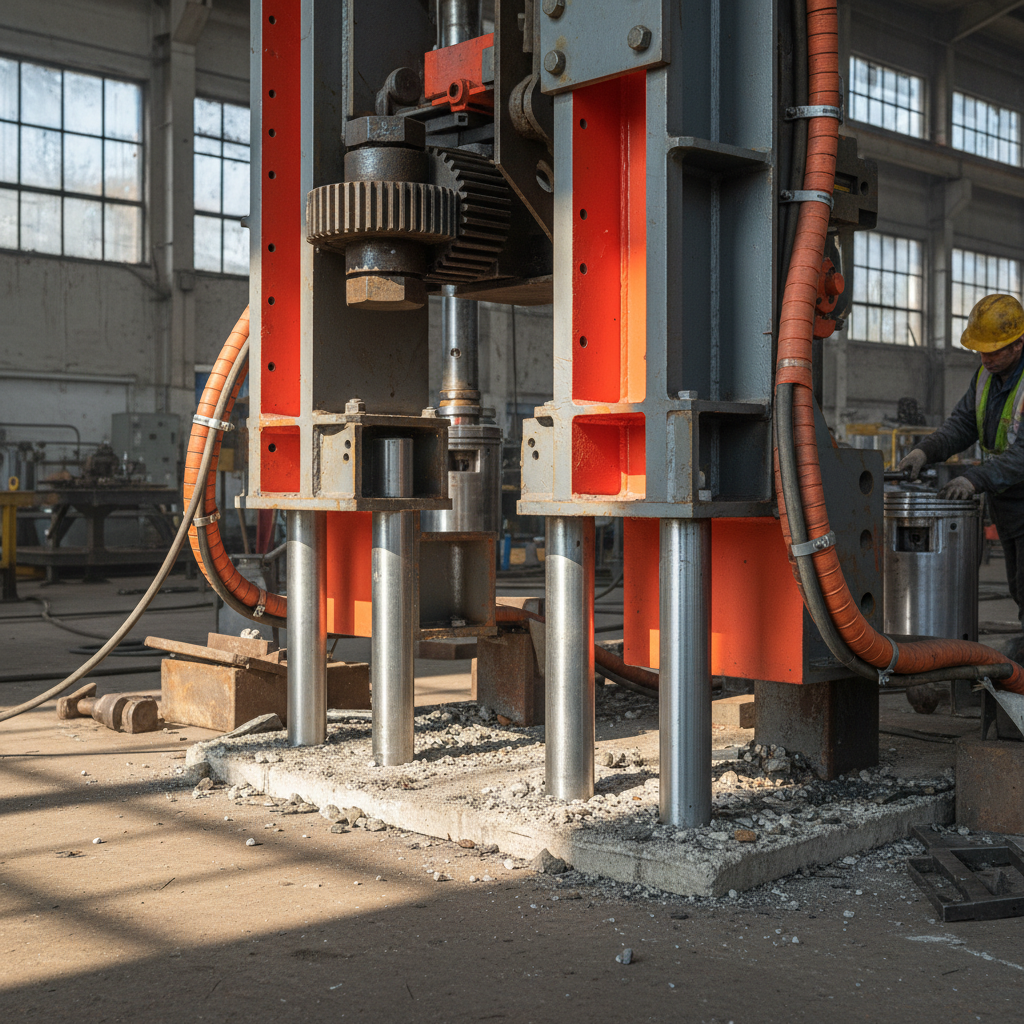
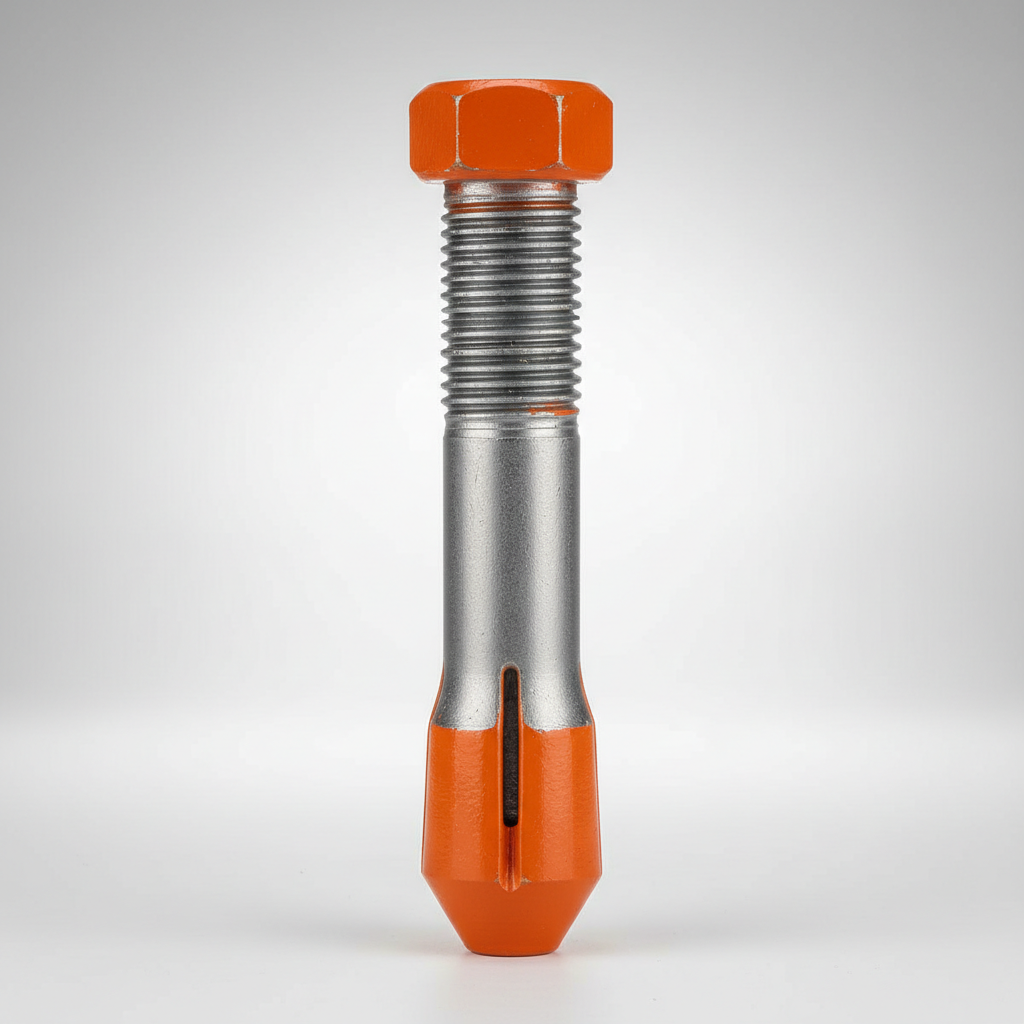
Stainless anchor bolts are fastening elements constructed from stainless steel alloys designed to securely connect materials to a concrete or masonry base. Unlike through bolts that pass completely through connected materials, anchor bolts embed within the base material, providing a strong and permanent connection. They come in a variety of types, including wedge anchors, sleeve anchors, concrete screws, and cast-in-place anchors, each suited for different load requirements and installation scenarios.
These bolts are intrinsically linked to modern construction and engineering practices, enabling the creation of complex and robust structures. They address the critical need for durable and reliable fastening solutions, particularly in environments where corrosion is a significant concern. This connection translates to reduced maintenance costs, increased lifespan of structures, and improved overall safety.
Their application extends beyond construction, finding utility in various industries requiring secure mounting of equipment, machinery, and infrastructure components. The ability to withstand significant loads and resist degradation makes them a preferred choice for applications ranging from solar panel installations to seismic reinforcement.
Core Components and Characteristics
The durability of stainless anchor bolts is heavily influenced by the grade of stainless steel used in their construction. Common grades include 304, 316, and duplex stainless steels, each offering varying levels of corrosion resistance and strength. 304 stainless steel is suitable for general-purpose applications, while 316 provides enhanced resistance to chloride corrosion, making it ideal for marine environments.
Scalability refers to the ability of stainless anchor bolts to accommodate varying load requirements and project sizes. A wide range of diameters, lengths, and anchor types are available, allowing engineers to select the optimal solution for each specific application. This adaptability is crucial for both small-scale repairs and large-scale construction projects.
Cost efficiency, while not always the primary concern, is a significant factor. The initial cost of stainless anchor bolts may be higher than carbon steel alternatives, but their extended lifespan and reduced maintenance requirements often result in lower long-term costs. The inherent durability minimizes the risk of failures and costly repairs.
Key Performance Indicators of Stainless Anchor Bolts
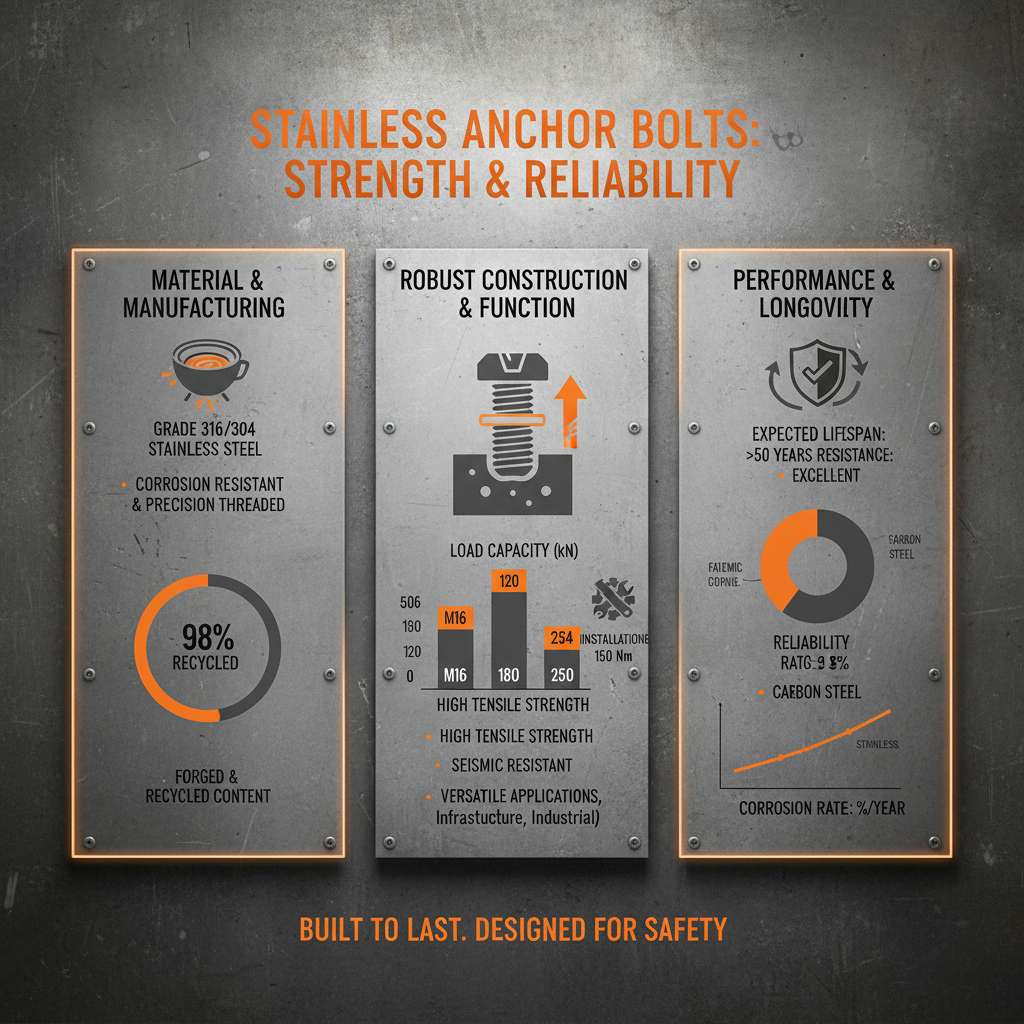
Evaluating the performance of stainless anchor bolts involves several key indicators. Tensile strength, measured in MPa or psi, determines the bolt’s resistance to being pulled apart. Shear strength indicates the resistance to forces acting parallel to the bolt’s axis. Yield strength defines the point at which the bolt begins to deform permanently. These mechanical properties are critical for ensuring structural integrity.
Corrosion resistance is perhaps the most crucial indicator, especially in harsh environments. ASTM B117 salt spray testing is commonly used to assess the bolt’s ability to withstand corrosive elements. Furthermore, fatigue strength, representing the bolt’s resistance to repeated loading and unloading, is essential for applications involving dynamic forces.
Stainless Anchor Bolt Performance Comparison
Global Applications and Industries Served
Stainless anchor bolts are essential in construction, securing structural elements like steel frames, concrete panels, and roofing systems. In the marine industry, they are used for attaching docks, piers, and offshore platforms, resisting the corrosive effects of saltwater. Infrastructure projects, such as bridges and tunnels, rely on their strength and durability to ensure long-term stability.
The renewable energy sector utilizes stainless anchor bolts extensively in wind turbine foundations and solar panel mounting systems. They are also critical in chemical processing plants, where resistance to aggressive chemicals is paramount. In post-disaster relief operations, fast deployment housing often relies on stainless steel anchor bolts for secure and rapid installation.
Advantages and Long-Term Value Proposition
The primary advantage of stainless anchor bolts is their exceptional corrosion resistance, eliminating the need for frequent replacement and reducing maintenance costs. Their high strength and reliability contribute to the overall safety and structural integrity of projects. The extended lifespan translates to significant long-term cost savings, making them a sustainable investment.
From a sustainability perspective, the durability of stainless anchor bolts reduces material consumption and waste generation. The reduced need for maintenance minimizes disruption and environmental impact. The inherent safety features provide peace of mind and protect human lives. They provide a sense of trust and assurance in the longevity of construction projects.
Future Trends and Innovations in Stainless Anchor Bolt Technology
Ongoing research focuses on developing new stainless steel alloys with even greater corrosion resistance and improved mechanical properties. Advanced manufacturing techniques, such as additive manufacturing (3D printing), are being explored to create custom-designed anchor bolts tailored to specific applications. The integration of smart sensors into anchor bolts is emerging, allowing for real-time monitoring of stress levels and corrosion rates.
Furthermore, the increasing emphasis on sustainable construction practices is driving demand for eco-friendly stainless steel production methods and the use of recycled materials. The development of digital twin technology enables virtual testing and optimization of anchor bolt designs, improving performance and reducing material waste.
FAQS
Common failure modes include corrosion due to improper grade selection, overloading beyond the bolt’s capacity, improper installation techniques (e.g., insufficient embedment depth), and fatigue failure from repeated dynamic loads. Regular inspections and adherence to manufacturer’s specifications are crucial for preventing failures.
The selection of the appropriate stainless steel grade depends on the specific corrosive environment. 304 stainless steel is suitable for general-purpose applications, while 316 offers superior resistance to chloride corrosion and is recommended for marine environments. Duplex stainless steels provide even greater corrosion resistance and strength for highly demanding applications.
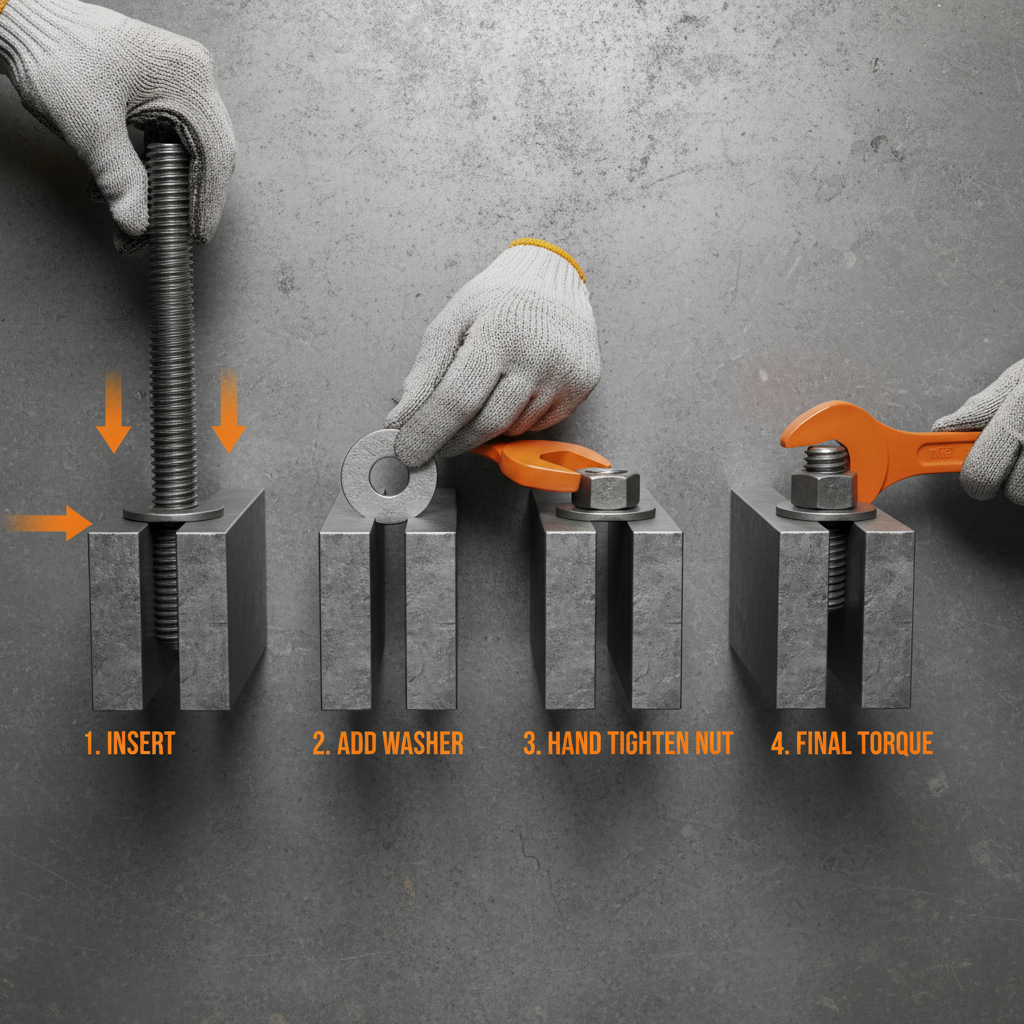
Ensure proper hole drilling diameter and depth. Thoroughly clean the hole to remove debris. Use the correct type of anchor for the concrete strength and load requirements. Follow the manufacturer’s torque specifications carefully. Avoid over-torquing, which can damage the bolt or concrete. Always use appropriate personal protective equipment (PPE).
Yes, stainless anchor bolts can be susceptible to galvanic corrosion if in direct contact with dissimilar metals in a conductive environment. Using isolating materials (e.g., nylon washers) between the stainless steel and other metals can mitigate this risk. Proper design and material selection are essential for preventing galvanic corrosion.
The frequency of inspections depends on the application and environmental conditions. In critical structures or harsh environments, annual inspections are recommended. Look for signs of corrosion, loosening, or deformation. Regular inspections can identify potential problems before they escalate into failures.
Wedge anchors are typically used in solid concrete and rely on a wedge mechanism to expand and create a secure hold. Sleeve anchors, on the other hand, are designed for use in hollow concrete or masonry and feature a sleeve that expands as the bolt is tightened. The choice depends on the base material and load requirements.
Conclusion
In conclusion, stainless anchor bolts represent a vital component in modern construction, infrastructure, and a multitude of industrial applications. Their inherent corrosion resistance, high strength, and long-term durability offer significant advantages over traditional fastening solutions, contributing to safer, more sustainable, and cost-effective projects. Understanding the nuances of stainless steel grades, installation techniques, and performance indicators is crucial for maximizing their benefits.
Looking ahead, continued innovation in materials science and manufacturing processes will further enhance the performance and applicability of stainless anchor bolts. Embracing sustainable practices and integrating smart technologies will play a key role in shaping the future of this essential fastening element. For high-quality stainless anchor bolts and expert guidance, visit our website today: stainless anchor bolts.





 English
  Bengali
  Bulgarian
  Catalan
  Czech
Czech  French
  German
  Hindi
Hindi  Hungarian
  Italian
  Kazakh
  Korean
  Portuguese
  Romanian
  Slovak
  Somali
  Spanish
  Turkish