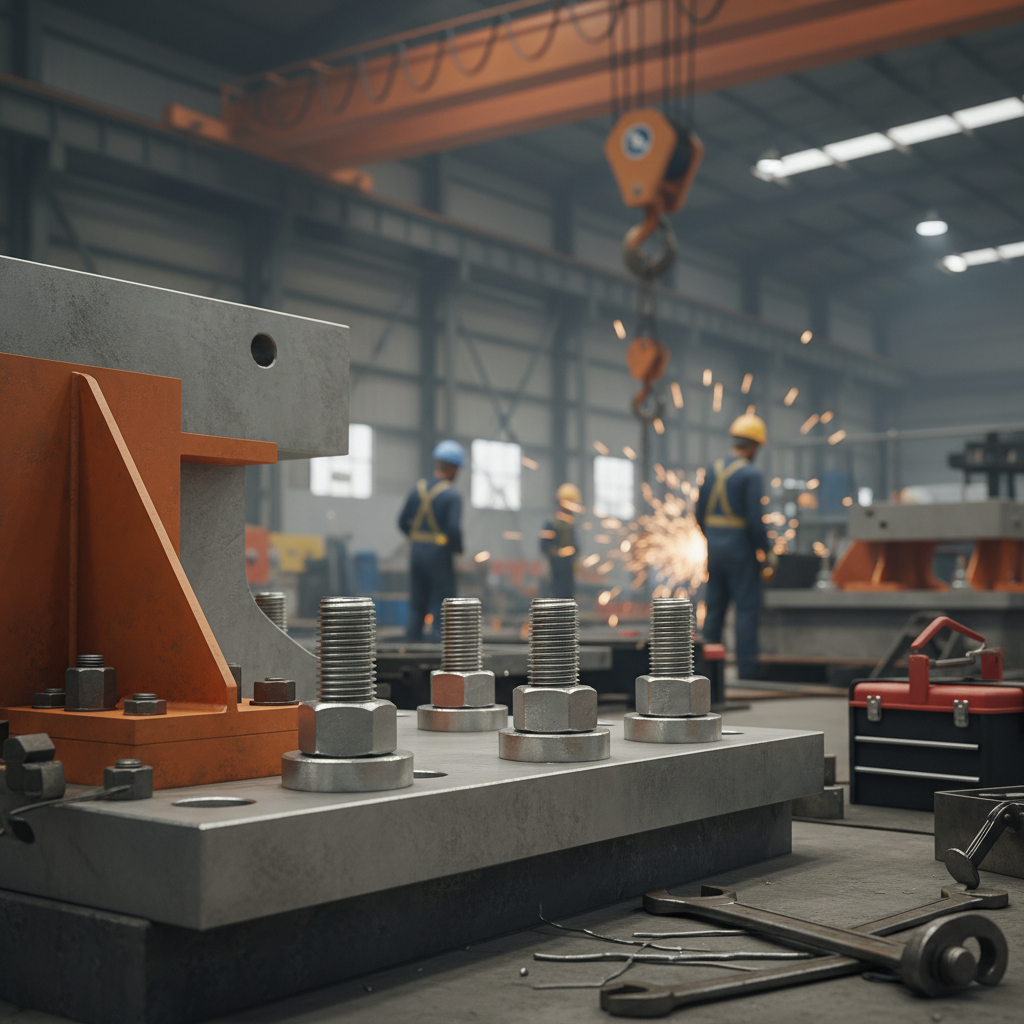
In the demanding world of industrial construction and infrastructure, the integrity of a structure often depends on the smallest components. Among these, ss anchor bolts stand as critical elements, providing the essential connection between heavy machinery or structural frameworks and concrete foundations. By leveraging the inherent properties of stainless steel, these fasteners ensure that stability is maintained even under extreme mechanical stress.
Globally, the shift toward sustainable and corrosion-resistant materials has placed a spotlight on stainless steel fasteners. Whether it is a coastal bridge facing salt-spray erosion or a food processing plant requiring stringent hygienic standards, the deployment of high-grade stainless steel ensures a lifecycle that far exceeds that of carbon steel. Understanding the technical nuances of these bolts is not just about procurement; it is about ensuring long-term safety and reducing maintenance overheads.
Choosing the right ss anchor bolts involves a complex balance of material grade, load-bearing requirements, and environmental exposure. This comprehensive guide explores the engineering excellence behind stainless steel anchoring systems, their global applications, and the innovative trends shaping the future of the fastening industry to help engineers and procurement officers make informed decisions.
Global Significance of SS Anchor Bolts
The global infrastructure market is increasingly leaning toward materials that minimize the "total cost of ownership." ss anchor bolts play a pivotal role here, as they mitigate the risks of catastrophic structural failure caused by oxidation and corrosion. According to ISO standards for corrosion protection, the use of stainless steel in aggressive environments can extend the service life of a concrete connection by decades compared to galvanized alternatives.
In regions with high humidity or saline air, such as Southeast Asia and the Gulf Coast, the failure of standard fasteners leads to billions of dollars in repair costs annually. By integrating high-grade stainless steel, industries can ensure that critical anchors remain secure, effectively solving the challenge of material degradation in harsh climates and providing a foundation for sustainable urban development.
Understanding the Definition and Mechanics
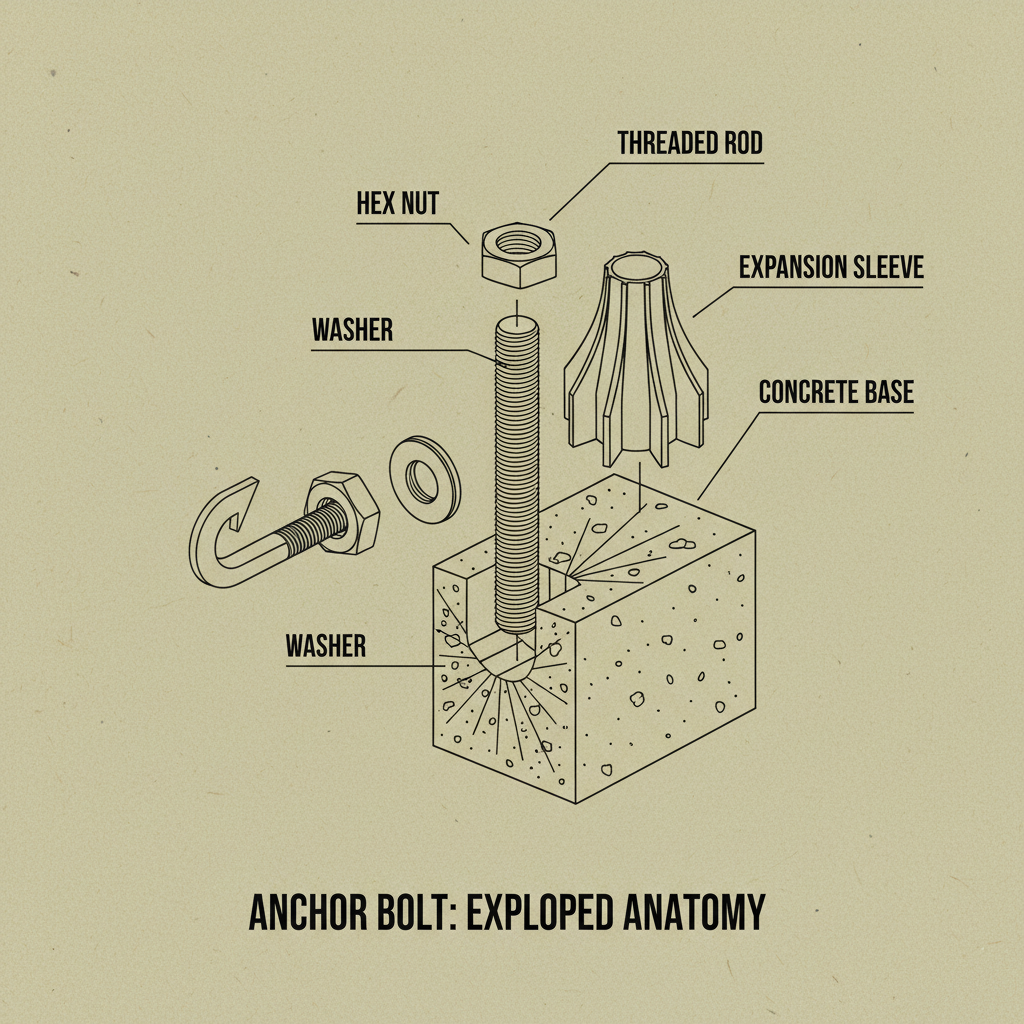
At its core, ss anchor bolts are heavy-duty fasteners designed to create a high-strength connection between a structural element and a concrete base. Unlike standard bolts that rely on a nut and a pre-existing hole in two mating parts, anchor bolts utilize the expansion or chemical bonding properties of concrete to lock the bolt firmly in place, resisting tension and shear forces.
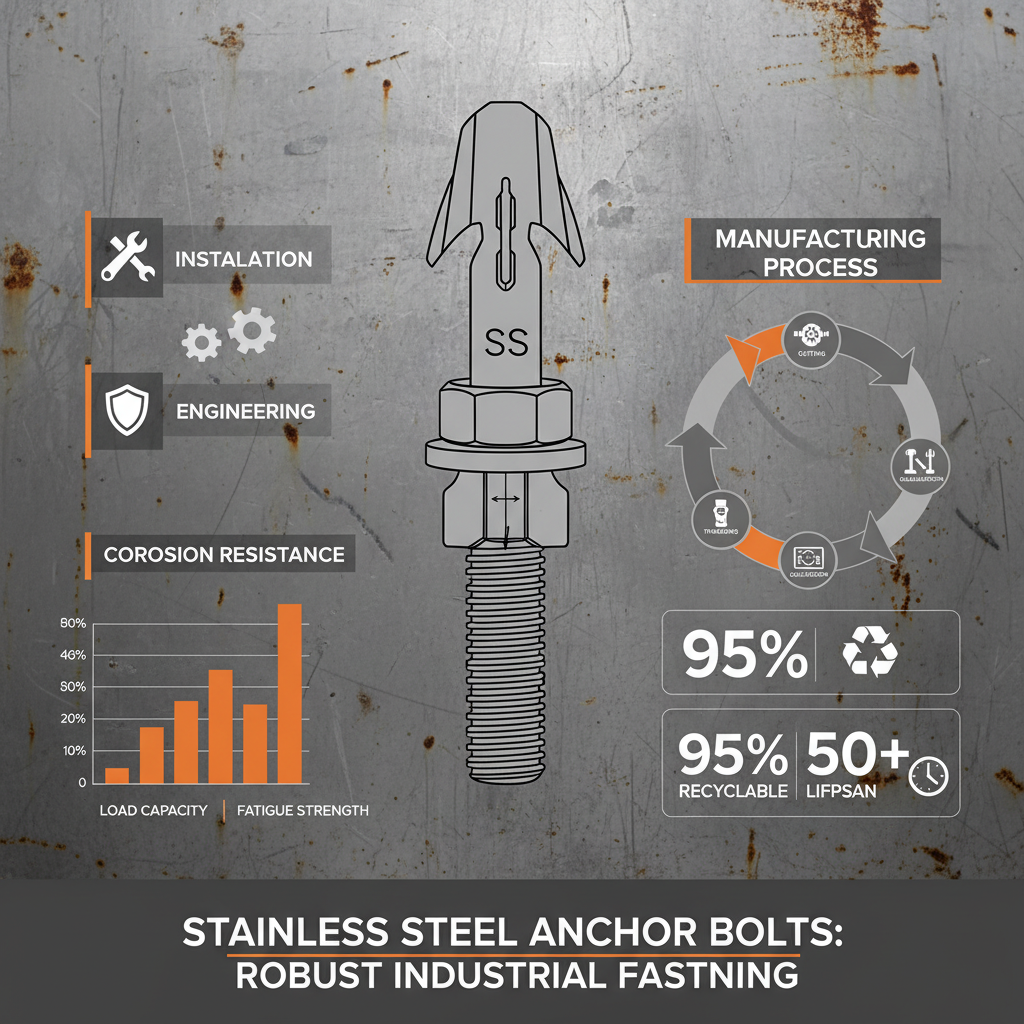
The "SS" refers to Stainless Steel, typically available in grades like 304, 316, or Duplex. This material choice is not merely for aesthetics; the chromium content in stainless steel forms a passive layer of chromium oxide, which prevents further surface corrosion. This is critical for modern humanitarian needs, such as building earthquake-resistant housing or medical facilities in remote, corrosive environments where maintenance is infrequent.
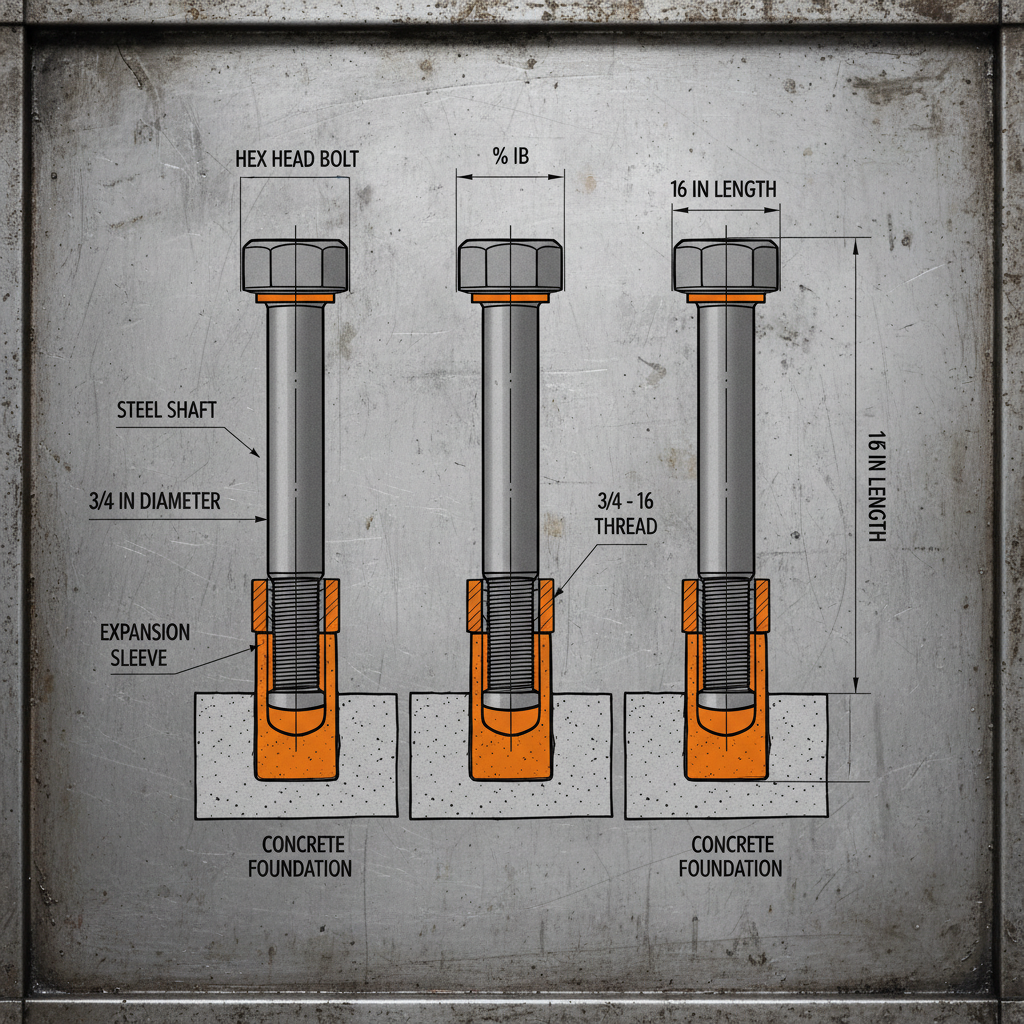
Mechanically, these bolts function through various methods: mechanical expansion (where a sleeve expands against the concrete wall) or adhesive bonding (where a resin is used). Regardless of the method, the goal is to distribute the load across a wider surface area of the concrete, ensuring that the ss anchor bolts do not pull out under the stress of wind, vibration, or weight.
Core Components of High-Performance Fastening
One of the primary factors determining the success of ss anchor bolts is Corrosion Resistance. In chemical plants or marine piers, the presence of chlorides can cause pitting and crevice corrosion. The selection of Grade 316 (which contains Molybdenum) provides the necessary shield to maintain structural integrity over a 50-year design life.
Load Capacity and Tensile Strength are equally vital. Engineers must calculate the shear and tension loads to ensure that the ss anchor bolts can withstand the maximum anticipated stress. This involves analyzing the concrete's compressive strength and the bolt's yield point to avoid "pull-out" failures or bolt snapping.
Lastly, Installation Versatility and Cost-Efficiency must be considered. While stainless steel has a higher upfront cost than carbon steel, the reduction in replacement frequency and labor costs makes it the more economical choice for long-term projects. Modern designs allow for rapid deployment, reducing the time required for on-site installation in complex industrial zones.
Diverse Global Applications and Use Cases
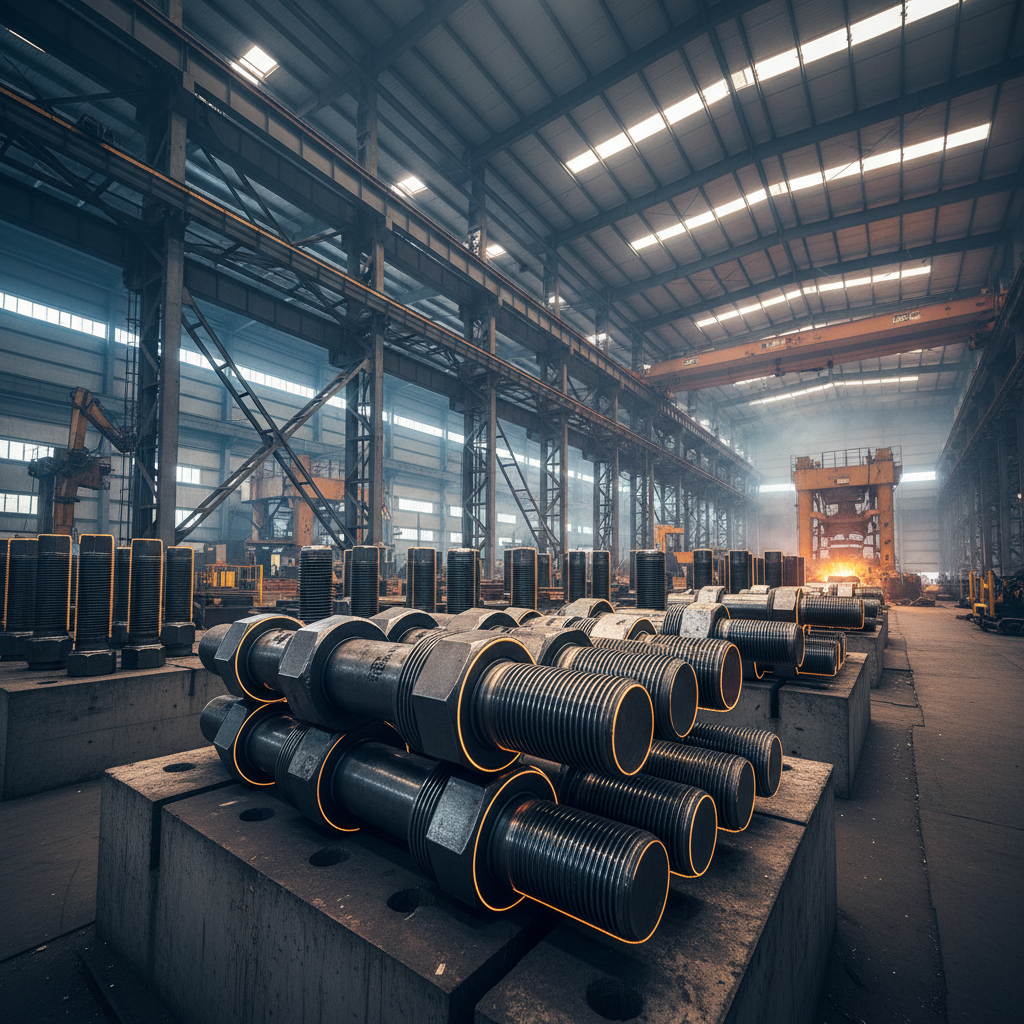
The application of ss anchor bolts spans across every continent, serving various critical needs. In North America and Europe, they are the gold standard for mounting heavy industrial machinery in pharmaceutical and food-grade factories, where cleanliness and non-reactive materials are mandated by law to prevent contamination.
In developing regions, such as Sub-Saharan Africa or Southeast Asia, these fasteners are used in the construction of resilient telecommunications towers and bridge supports. For example, in post-disaster relief operations, rapid-deployable shelters and modular bridges often rely on stainless steel anchoring to ensure stability against unpredictable weather patterns and shifting soil.
Performance Comparison of SS Anchor Bolts Variants
Long-Term Value and Reliability Advantages
Investing in ss anchor bolts provides a tangible return on investment through extreme durability. Beyond the logic of material science, there is an emotional angle: trust. When a structural engineer specifies stainless steel for a public bridge or a high-rise building, they are prioritizing the safety and dignity of the people who will use that structure for generations.
Furthermore, the sustainability aspect cannot be ignored. Stainless steel is 100% recyclable, and because ss anchor bolts do not require frequent replacement or the application of toxic anti-corrosive coatings, they significantly reduce the environmental footprint of a construction project. This alignment with "Green Building" certifications makes them indispensable in the modern architectural landscape.
Future Trends and Material Innovations
The future of ss anchor bolts is being shaped by the digital transformation of the construction industry. "Smart Anchoring" is an emerging concept where sensors are integrated into the bolt head to monitor tension levels and corrosion in real-time. This allows facility managers to detect structural fatigue before it becomes a danger, shifting maintenance from a reactive to a predictive model.
Innovations in metallurgy are also introducing super-duplex stainless steels, which offer nearly double the strength of standard austenitic grades. These materials allow for smaller diameter ss anchor bolts to carry the same loads as larger, heavier bolts, reducing the overall weight of the structure and simplifying the installation process in aerospace and high-tech industrial applications.
Additionally, the rise of automation and robotic installation is driving the demand for standardized, precision-engineered fasteners. As 3D printing (additive manufacturing) matures, we may soon see custom-geometry anchor bolts tailored to the exact stress distribution of a specific concrete slab, optimizing material use and maximizing safety.
Overcoming Technical Challenges in Implementation
Despite their advantages, the implementation of ss anchor bolts is not without challenges. One common issue is "galling," a form of cold-welding that occurs when stainless steel threads rub together under high pressure. This can lead to bolts seizing during installation, which is a nightmare for site contractors and can compromise the entire assembly.
To overcome this, experts recommend the use of anti-seize lubricants specifically formulated for stainless steel. Furthermore, the risk of galvanic corrosion—which happens when stainless steel comes into contact with a dissimilar metal like aluminum—must be managed. Using insulating washers or specialized coatings can break the electrical circuit and prevent the less noble metal from corroding.
Another challenge is the precision required in hole drilling. An oversized hole can significantly reduce the load capacity of an expansion-type ss anchor bolt. The solution lies in utilizing high-precision drilling equipment and strictly adhering to the manufacturer's torque specifications to ensure the bolt achieves the correct expansion without cracking the surrounding concrete.
Comparative Analysis of SS Anchor Bolt Specifications
|
Material Grade
|
Corrosion Resistance
|
Typical Application
|
Cost-Benefit Score
|
| SS 304 |
Moderate (Freshwater) |
Indoor Industrial |
8/10 |
| SS 316 |
High (Marine/Chemical) |
Coastal Infrastructure |
9/10 |
| SS 316L |
Very High (Low Carbon) |
Welded Structures |
8/10 |
| Duplex 2205 |
Extreme (High Chloride) |
Oil & Gas Platforms |
7/10 |
| A4-80 Grade |
High (High Strength) |
Heavy Machinery |
9/10 |
| Precipitation Hardened |
Very High |
Aerospace/Medical |
6/10 |
FAQS
The primary difference is the addition of molybdenum in SS 316. While SS 304 is excellent for general corrosion resistance and indoor environments, SS 316 is specifically engineered to withstand chlorides and saline environments, making it the preferred choice for marine or chemical applications where SS 304 would eventually pit and corrode.
Galling is common in stainless steel due to its oxide layer. To prevent it, always use a high-quality anti-seize lubricant on the threads. Additionally, ensure that the bolt and nut are of the same material grade and avoid over-torquing the fastener, which can increase friction and trigger the cold-welding process.
Yes, they can be used in most concrete types, but the load capacity will vary based on the concrete's compressive strength. For lightweight or old, degraded concrete, chemical anchors (using epoxy) are often recommended over expansion anchors to avoid cracking the concrete substrate while ensuring a secure hold.
Initially, yes, the material cost is higher. However, when you consider the lifecycle cost, stainless steel is often cheaper. Galvanized steel eventually rusts, requiring expensive removal and replacement labor. SS anchor bolts provide a "fit and forget" solution that eliminates recurring maintenance costs in corrosive environments.
Typical tests include "Pull-out Tests" to measure tension capacity and "Shear Tests" to measure the force the bolt can withstand perpendicular to its axis. These tests are usually conducted according to ASTM or ISO standards to certify that the installation meets the safety requirements for the specific structural load.
SS 316 or SS 316L is highly recommended for food processing. These plants use aggressive cleaning chemicals and high-pressure water washes. The superior corrosion resistance of 316 ensures that the fasteners do not rust and contaminate the food products, meeting strict FDA and HACCP hygiene standards.
Conclusion
In summary, ss anchor bolts are far more than simple fasteners; they are the silent guardians of structural stability in the world's most challenging environments. By combining high tensile strength with unparalleled corrosion resistance, they resolve the age-old conflict between durability and maintenance, providing a sustainable foundation for everything from industrial factories to public infrastructure.
As we move toward a future of smarter, greener construction, the importance of selecting the correct grade and installation method for your anchoring systems cannot be overstated. We encourage engineers and project managers to prioritize long-term material integrity over short-term savings to ensure the safety and longevity of their projects. For high-quality fastening solutions, visit our website: www.ytbolt.com




 English
  Bengali
  Bulgarian
  Catalan
  Czech
Czech  French
  German
  Hindi
Hindi  Hungarian
  Italian
  Kazakh
  Korean
  Portuguese
  Romanian
  Slovak
  Somali
  Spanish
  Turkish