


Jan . 27, 2026 17:45 Back to list
Comprehensive Guide to the 3 8 x 2 Wedge Anchor for Construction Projects
Understanding the 3 8 x 2 Wedge Anchor: A Comprehensive Guide
The 3 8 x 2 wedge anchor is a critical fastener used in a variety of construction and industrial applications. Its robust design and reliable holding power make it ideal for securing fixtures to concrete and other masonry surfaces. This article will explore the features, benefits, applications, and key considerations when selecting and using these anchors. We will cover everything from material composition to installation techniques, ensuring you have a comprehensive understanding of this essential hardware component. Proper anchor selection is vital for ensuring structural integrity and safety.
What is a 3 8 x 2 Wedge Anchor?
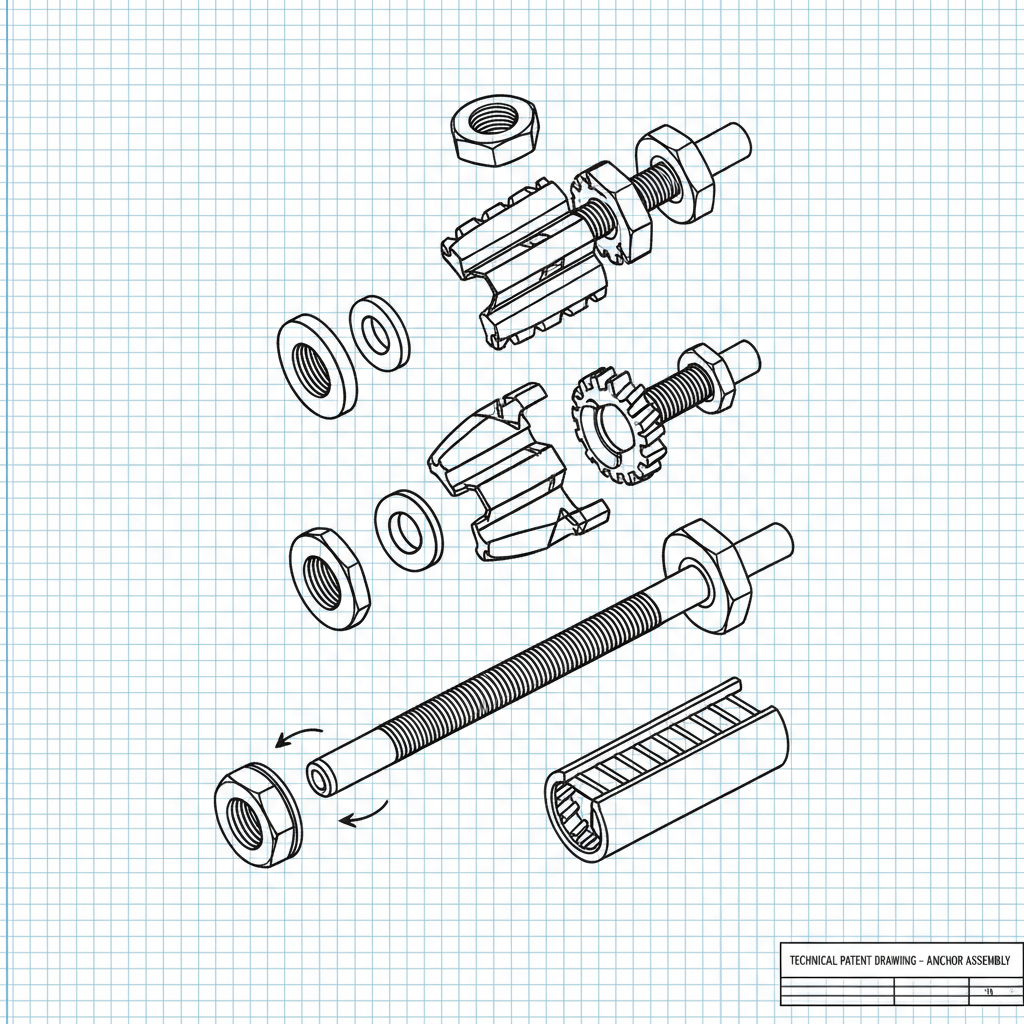
A 3 8 x 2 wedge anchor, also known as a sleeve anchor, is a mechanical expansion anchor designed for use in concrete, brick, and block. The "3 8" refers to the diameter of the anchor bolt, while the "2" represents the length of the anchor. It works by expanding a wedge within the anchor sleeve as the bolt is tightened, creating a secure and firm hold. These anchors are known for their high tensile and shear strength, making them suitable for both light-duty and heavy-duty applications. YT Bolt offers a comprehensive range of these anchors to meet diverse project needs.
Key Highlights: Mechanical expansion provides robust holding power; suitable for concrete, brick, and block; available in various finishes for corrosion resistance.
Key Features of the 3 8 x 2 Wedge Anchor
The 3 8 x 2 wedge anchor boasts several key features that contribute to its reliability and performance. These include a fully threaded anchor bolt for consistent engagement, a hardened steel wedge for maximum expansion, and a corrosion-resistant coating (typically zinc plating) to protect against environmental damage. The anchor sleeve is designed to prevent slippage and ensure even load distribution. Explore the specifications available at YT Bolt to find the perfect anchor for your application.
Advantages of using Wedge Anchors:
• High pull-out strength
• Suitable for medium to heavy-duty applications
• Relatively easy to install
• Versatile for various base materials
3 8 x 2 Wedge Anchor vs. Other Anchor Types
Choosing the right anchor depends on the specific application. Compared to sleeve anchors, wedge anchors offer higher load-bearing capacity. Compared to concrete screws, wedge anchors typically require a pre-drilled hole and offer stronger holding power in certain situations. Drop-in anchors are suitable for overhead applications, while wedge anchors are ideal for side loading. The 3 8 x 2 wedge anchor strikes a balance between strength, ease of installation, and cost-effectiveness.
Applications of the 3 8 x 2 Wedge Anchor
The 3 8 x 2 wedge anchor is widely used in various construction and industrial applications, including securing:
- Structural steel to concrete foundations
- Machinery and equipment to concrete floors
- Electrical conduit and piping
- Handrails and guardrails
- Window and door frames
- Signage and lighting fixtures. YT Bolt provides these anchors for diverse projects.
Installation Guidelines for 3 8 x 2 Wedge Anchors
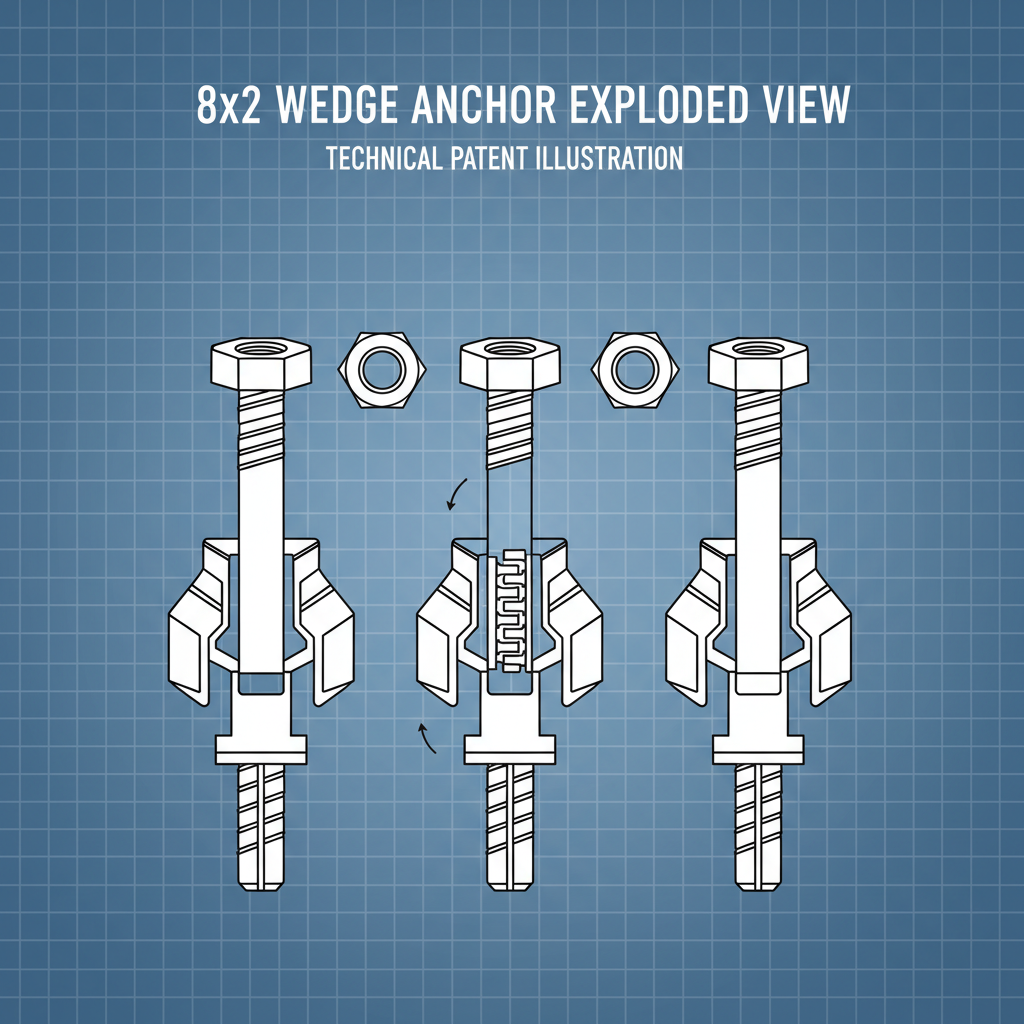
Proper installation is crucial for ensuring the anchor's performance. First, drill a hole to the appropriate diameter and depth, as specified by the anchor manufacturer. Clean out any debris from the hole. Insert the anchor through the fixture and into the hole. Tighten the nut to the recommended torque specification to expand the wedge and secure the anchor. Over-tightening can damage the anchor, while under-tightening can compromise its holding power. Refer to YT Bolt's installation guides for detailed instructions.
Conclusion: Choosing the Right Wedge Anchor for Your Needs
The 3 8 x 2 wedge anchor is a versatile and reliable fastening solution for a wide range of applications. By understanding its features, benefits, and proper installation techniques, you can ensure a secure and long-lasting connection. YT Bolt offers a comprehensive selection of high-quality wedge anchors to meet your specific project requirements.
Frequently Asked Questions (FAQs)
What is the minimum concrete strength required for using a 3 8 x 2 wedge anchor?
Generally, a minimum compressive strength of 2,500 psi (pounds per square inch) is recommended for concrete when using a 3 8 x 2 wedge anchor. However, it’s crucial to consult the anchor manufacturer’s specifications, as requirements can vary. Using anchors in concrete with lower strength can significantly reduce their holding capacity and compromise safety. Factors like the age of the concrete and the presence of cracks should also be considered.
How deep of a hole should be drilled for a 3 8 x 2 wedge anchor?
The recommended hole depth typically corresponds to the embedment depth specified by the anchor manufacturer, usually around 2 to 2.5 inches. The hole diameter should match the anchor diameter (3/8 inch) and be drilled precisely to ensure proper expansion. Always refer to the manufacturer's data sheet for the precise hole depth and diameter recommendations for the specific anchor model.
What type of drill bit should I use for drilling holes for wedge anchors?
A carbide-tipped rotary hammer drill bit is generally recommended for drilling holes for wedge anchors in concrete. These bits are designed to withstand the impact and abrasion associated with concrete drilling. The bit size should precisely match the anchor diameter (3/8 inch). Using the correct drill bit ensures clean, accurate holes, which are essential for optimal anchor performance.
Are 3 8 x 2 wedge anchors suitable for cracked concrete?
While wedge anchors can be used in cracked concrete, it's crucial to select anchors specifically designed and tested for use in such conditions. Standard wedge anchors may lose holding capacity in actively cracked concrete. Look for anchors with European Technical Approval (ETA) for cracked concrete applications, as these have undergone rigorous testing to ensure their reliability in compromised concrete. Always consult a structural engineer for guidance on anchor selection in cracked concrete situations.
-
Guide to Calculating the Best Expansion Anchor Bolt Length
NewsApr.16,2026
-
Guide to the Correct Drill Size for 3 8 Wedge Anchor Installation
NewsApr.09,2026
-
Comprehensive Guide to Dottie Wedge Anchor Selection and Installation
NewsApr.07,2026
-
Comprehensive Guide to Ceiling Wedge Anchors for Secure Installations
NewsApr.04,2026
-
Understanding the Versatility and Applications of Carbon Steel Wedges
NewsMar.31,2026
-
The Essential Guide to Bolt Wedges Strength and Application
NewsMar.28,2026
 English
  Bengali
  Bulgarian
  Catalan
  Czech
Czech  French
  German
  Hindi
Hindi  Hungarian
  Italian
  Kazakh
  Korean
  Portuguese
  Romanian
  Slovak
  Somali
  Spanish
  Turkish


