


Mar . 26, 2026 02:05 Back to list
Understanding the Optimal Bit Size for 1/2 Wedge Anchor Installations
Understanding Bit Size for 1/2 Wedge Anchor Applications
Choosing the correct drill bit size for a 1/2 inch wedge anchor is critical for a secure and reliable fastening. Using the wrong size can lead to insufficient anchor capacity, compromising the structural integrity of your project. This guide will provide a comprehensive overview of determining the appropriate wedge anchor drill bit size, covering key considerations, different anchor types, and best practices for installation. A properly installed wedge anchor provides exceptional holding power in concrete and other masonry materials. We’ll explore how to ensure your installations are robust and long-lasting.
The Importance of Accurate Drill Bit Sizing
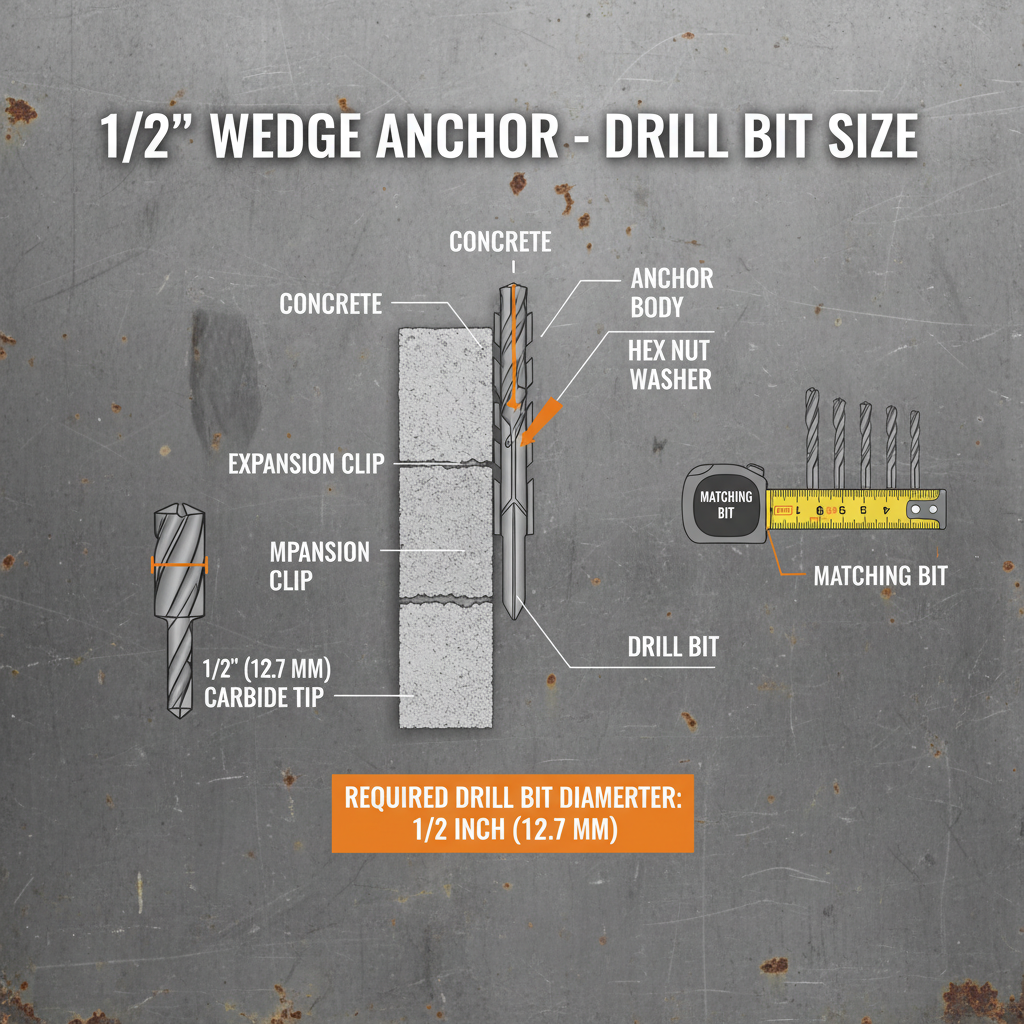
The drill bit size directly impacts the anchor's ability to expand and grip the concrete. If the hole is too small, the anchor may not fully seat and expand, reducing its holding capacity. Conversely, if the hole is too large, the anchor may not have sufficient material to grip, also leading to reduced strength. The recommended drill bit size is typically slightly larger than the anchor's base diameter to allow for proper expansion. Always consult the manufacturer's specifications for the precise drill bit size for the specific wedge anchor you are using. Using YT Bolt’s wedge anchors requires adhering to specified drill sizes for optimal performance.
Key Considerations: Accurate drill bit sizing directly correlates to the holding power of the anchor. Incorrect sizing leads to installation failures and potential structural issues.
Recommended Bit Size for 1/2" Wedge Anchors
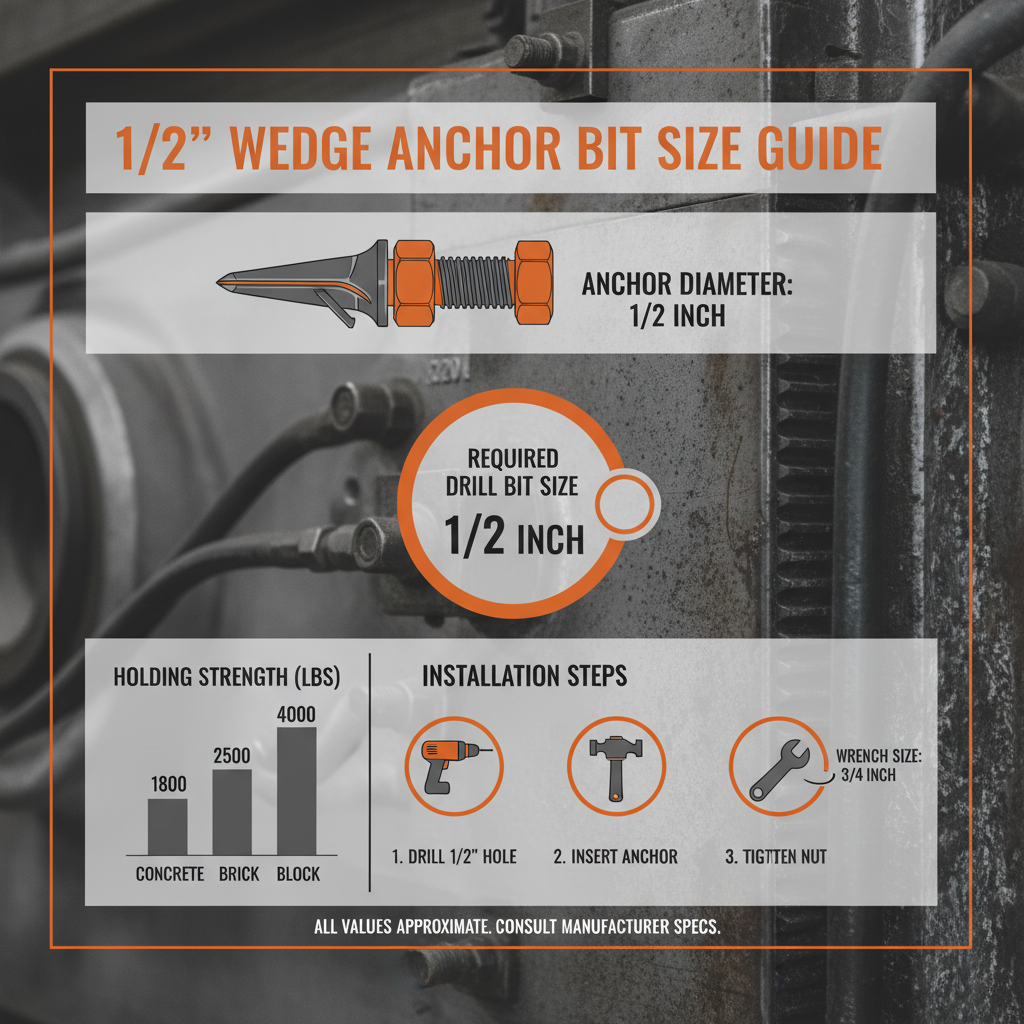
Generally, for a standard 1/2" diameter wedge anchor, the recommended drill bit size is 5/8" (16mm). However, this can vary slightly depending on the manufacturer and the specific anchor design. It’s always best practice to confirm the correct drill bit size in the product documentation provided by the anchor supplier, like YT Bolt. Factors like the concrete's compressive strength and the application’s load requirements can influence the optimal bit size.
Drill Bit Size Guidelines:
• Anchor Diameter: 1/2"
• Recommended Drill Bit Size: 5/8" (16mm)
• Always confirm with manufacturer’s specifications.
Wedge Anchor Types & Drill Bit Variations
Different types of wedge anchors, while all sharing the fundamental principle of expansion, can have slight variations in drill bit recommendations. For example, stainless steel wedge anchors sometimes require a slightly larger drill bit size to account for the material's properties. Galvanized and zinc-plated anchors generally adhere to the standard 5/8" drill bit size for 1/2" anchors. Always check the specification sheet for your particular anchor type. YT Bolt offers a variety of wedge anchor types, each with specific installation guidance.
Drilling Techniques and Best Practices
When drilling the hole for a wedge anchor, use a hammer drill with a carbide-tipped bit. Ensure the drill is perpendicular to the concrete surface for a straight, accurate hole. After drilling, thoroughly clean the hole of dust and debris using a brush, compressed air, or a vacuum. This ensures proper anchor expansion and maximum holding capacity. Inadequate hole cleaning is a common cause of anchor failure. YT Bolt’s blog contains detailed guides on proper installation techniques.
Conclusion: Ensuring a Secure Fastening
Prioritizing Correct Drill Bit Size
Selecting the correct drill bit size for a 1/2" wedge anchor is fundamental to a successful and reliable installation. Always refer to the manufacturer's specifications, use appropriate drilling techniques, and thoroughly clean the hole before inserting the anchor. By following these guidelines, you can ensure maximum holding power and structural integrity. YT Bolt provides high-quality wedge anchors and expert advice to help you complete your projects safely and effectively.
Frequently Asked Questions (FAQs)
What happens if I use a drill bit that is too small for a 1/2" wedge anchor?
If you use a drill bit that is too small, the wedge anchor may not fully expand within the concrete. This significantly reduces its holding capacity and can lead to failure under load. The anchor may be difficult to install, and applying excessive force could damage the anchor or the concrete. It's crucial to use the recommended drill bit size to ensure proper expansion and a secure connection. Always prioritize using the correct size drill bit as specified by the anchor manufacturer.
Can I use a standard drill bit instead of a hammer drill for installing wedge anchors?
While technically possible, using a standard drill bit is not recommended for installing wedge anchors. A hammer drill provides the percussive action needed to efficiently create the necessary hole in concrete or masonry. Using a standard drill bit will take significantly longer and may not create a hole with the correct depth and straightness. This can affect the anchor's performance and lead to installation failures. A hammer drill and carbide-tipped bit are essential tools for a proper installation.
What should I do if I accidentally drill a hole that is too large?
If you accidentally drill a hole that is too large, do not attempt to use the anchor in that hole. Attempting to force the anchor into an oversized hole will compromise its holding capacity. You have a few options: you can fill the hole with a concrete repair compound and re-drill a hole of the correct size, or you can relocate the anchor to a new location. Using a larger diameter anchor is not a recommended solution as it may not provide adequate edge distance or meet structural requirements.
-
Guide to Calculating the Best Expansion Anchor Bolt Length
NewsApr.16,2026
-
Guide to the Correct Drill Size for 3 8 Wedge Anchor Installation
NewsApr.09,2026
-
Comprehensive Guide to Dottie Wedge Anchor Selection and Installation
NewsApr.07,2026
-
Comprehensive Guide to Ceiling Wedge Anchors for Secure Installations
NewsApr.04,2026
-
Understanding the Versatility and Applications of Carbon Steel Wedges
NewsMar.31,2026
-
The Essential Guide to Bolt Wedges Strength and Application
NewsMar.28,2026
 English
  Bengali
  Bulgarian
  Catalan
  Czech
Czech  French
  German
  Hindi
Hindi  Hungarian
  Italian
  Kazakh
  Korean
  Portuguese
  Romanian
  Slovak
  Somali
  Spanish
  Turkish


