


Mar . 31, 2026 02:05 Back to list
Understanding the Versatility and Applications of Carbon Steel Wedges
Understanding Carbon Steel Wedges: A Comprehensive Guide
Carbon steel wedges are essential tools in a variety of industries, known for their strength, durability, and effectiveness in splitting materials. From woodworking and metalworking to construction and geological applications, these wedges play a critical role. This article delves into the characteristics, applications, and selection criteria for carbon steel wedges, providing valuable insights for professionals and DIY enthusiasts alike. Understanding the nuances of these tools ensures optimal performance and safety.
What is a Carbon Steel Wedge?
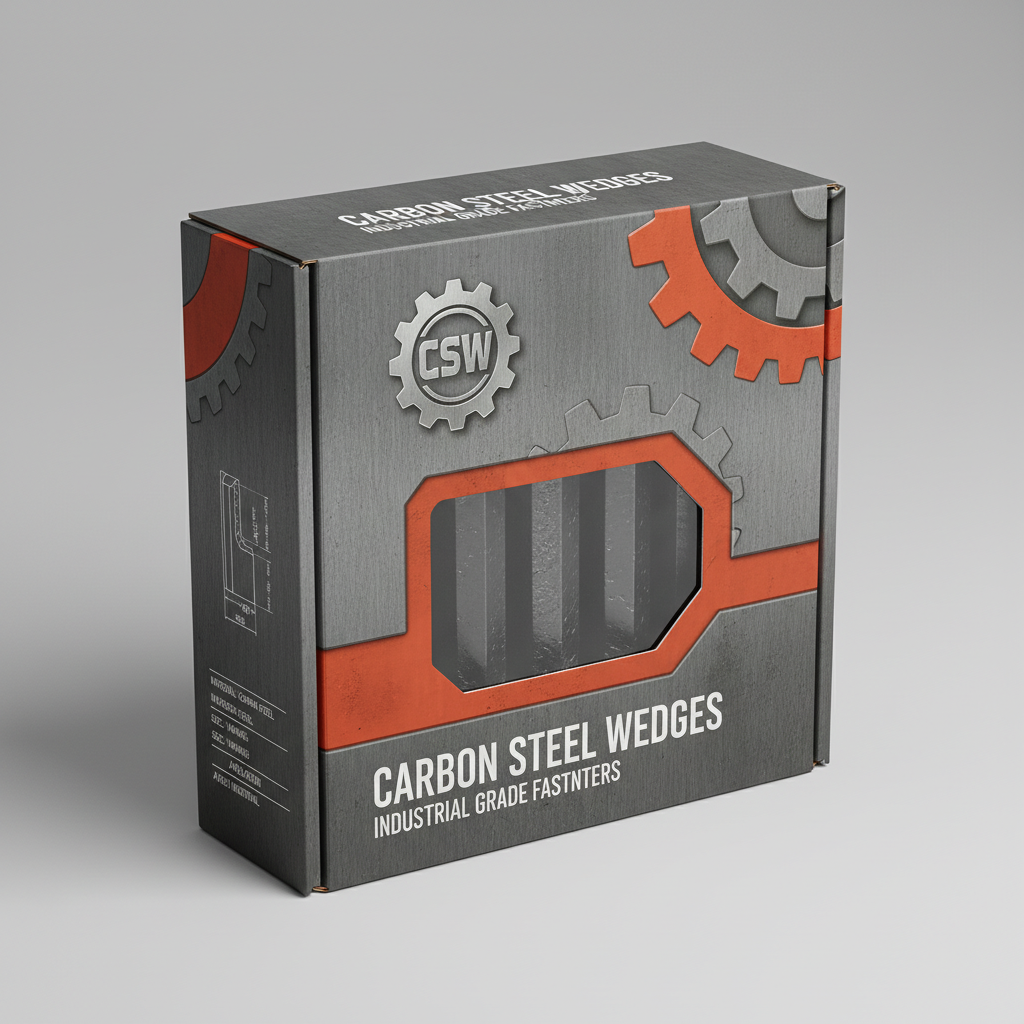
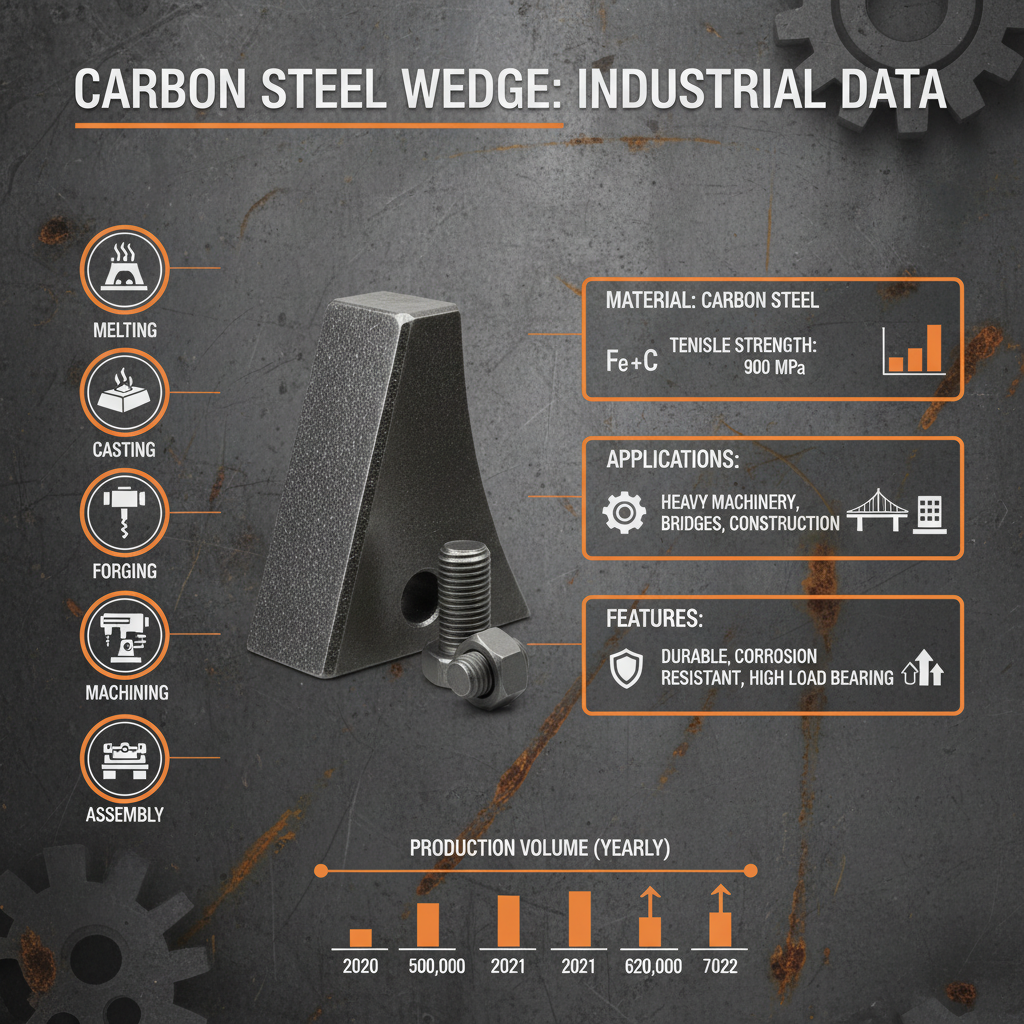
A carbon steel wedge is a tapered tool designed to apply force and split materials by driving it between cracks or into the material itself. Carbon steel, due to its high carbon content, offers exceptional hardness and strength, making it ideal for withstanding the significant forces involved in splitting. Unlike stainless steel or alloy steel wedges, carbon steel versions are generally more affordable, making them a cost-effective choice for many applications. The shape, size, and specific carbon content can vary based on intended use, impacting its performance characteristics. YT Bolt offers a wide selection of high-quality carbon steel wedges for diverse needs.
Key Features: High hardness, exceptional strength, cost-effective, suitable for various splitting applications.
Applications of Carbon Steel Wedges
Carbon steel wedges find application in a broad range of industries. In woodworking, they are used to split logs for firewood or create lumber. Metalworkers utilize them for separating metal castings from molds or splitting scrap metal for recycling. Construction workers employ wedges to level heavy machinery or assist in demolition. Geologists and mining professionals rely on them for extracting core samples and splitting rocks. Their versatility makes them indispensable tools in many scenarios. The strength and precision of carbon steel wedges ensure reliable performance in demanding environments.
Common Applications:
• Wood Splitting (Firewood, Lumber)
• Metalworking (Casting Removal, Scrap Splitting)
• Construction (Leveling, Demolition)
• Geology/Mining (Core Sample Extraction, Rock Splitting)
Choosing the Right Carbon Steel Wedge
Selecting the appropriate carbon steel wedge depends on the material being split and the force required. Wedges come in different shapes, including straight, twisted, and feather-and-wedge combinations. Twisted wedges are excellent for creating initial cracks in wood, while straight wedges are suitable for driving the split further. Feather-and-wedge sets are often used for rock splitting. The length and width of the wedge also matter – larger wedges require more force but can split larger materials. It’s crucial to consider the carbon content of the steel. Higher carbon content generally means greater hardness but also increased brittleness. YT Bolt offers detailed specifications to help you choose the ideal wedge for your needs.
Carbon Steel Wedge Maintenance and Safety
Proper maintenance extends the life of your carbon steel wedges. After each use, clean the wedge to remove any debris or rust. Apply a light coat of oil to prevent corrosion, especially if storing in a humid environment. Regularly inspect for cracks or damage, and replace the wedge if any are found. Safety is paramount when using wedges. Always wear safety glasses and gloves to protect against flying debris. Strike the wedge with a sledgehammer or other appropriate striking tool, ensuring a firm and stable stance. Never strike a wedge with a damaged head or handle. Following these safety precautions ensures a safe and efficient work environment.
Where to Buy High-Quality Carbon Steel Wedges
Choosing a reputable supplier is crucial for obtaining high-quality carbon steel wedges. YT Bolt offers a comprehensive range of carbon steel wedges, manufactured to exacting standards. We provide detailed product specifications, competitive pricing, and reliable shipping. Our commitment to customer satisfaction makes us a trusted partner for professionals and DIYers alike. Explore our selection today and find the perfect wedge for your next project!
Conclusion
Carbon steel wedges are essential tools for a multitude of applications. By understanding their characteristics, selecting the right type, and prioritizing safety, you can ensure optimal performance and long-lasting durability. YT Bolt is your trusted source for high-quality carbon steel wedges and related fastening solutions.
Frequently Asked Questions (FAQs)
What is the difference between a carbon steel wedge and a stainless steel wedge?
Carbon steel wedges are typically harder and more affordable than stainless steel wedges. However, they are more susceptible to rust and corrosion. Stainless steel wedges offer superior corrosion resistance, making them ideal for wet or harsh environments, but they come at a higher price point. The choice depends on the application and the level of corrosion resistance needed. For general use and dry environments, a carbon steel wedge is often sufficient. If corrosion is a concern, stainless steel is the better option.
How do I prevent rust on my carbon steel wedge?
To prevent rust, regularly clean the wedge after each use, removing any dirt or debris. Apply a thin coat of oil, such as mineral oil or WD-40, to create a protective barrier against moisture. Store the wedge in a dry environment. If rust does develop, use a wire brush or sandpaper to remove it, and then reapply the oil. Consistent maintenance is key to preventing corrosion.
What safety precautions should I take when using a carbon steel wedge?
Always wear safety glasses and gloves to protect against flying debris. Ensure the wedge and striking tool are in good condition, with no cracks or damage. Maintain a firm and stable stance when striking the wedge. Never strike the wedge at an angle or with excessive force. Be aware of your surroundings and ensure no one is in the path of potential debris. Following these precautions will minimize the risk of injury.
What size wedge should I use for splitting firewood?
The size of the wedge depends on the size and type of wood you're splitting. For smaller rounds of softer wood, a smaller wedge (e.g., 4-6 inches long) may suffice. For larger, knotty rounds of hardwood, a larger, heavier wedge (e.g., 8-12 inches long) is recommended. It's often helpful to use a combination of a twisted wedge to create an initial crack, followed by a straight wedge to drive the split further. You can find a variety of sizes at YT Bolt.
-
Guide to Calculating the Best Expansion Anchor Bolt Length
NewsApr.16,2026
-
Guide to the Correct Drill Size for 3 8 Wedge Anchor Installation
NewsApr.09,2026
-
Comprehensive Guide to Dottie Wedge Anchor Selection and Installation
NewsApr.07,2026
-
Comprehensive Guide to Ceiling Wedge Anchors for Secure Installations
NewsApr.04,2026
-
Understanding the Versatility and Applications of Carbon Steel Wedges
NewsMar.31,2026
-
The Essential Guide to Bolt Wedges Strength and Application
NewsMar.28,2026
 English
  Bengali
  Bulgarian
  Catalan
  Czech
Czech  French
  German
  Hindi
Hindi  Hungarian
  Italian
  Kazakh
  Korean
  Portuguese
  Romanian
  Slovak
  Somali
  Spanish
  Turkish


