


Jan . 30, 2026 14:40 Back to list
Comprehensive Guide to 3 8 x 6 1 2 Stainless Steel Wedge Anchor Applications
Understanding the 3 8 x 6 1 2 Stainless Steel Wedge Anchor
When undertaking construction, infrastructure projects, or demanding industrial applications, secure fastening is paramount. The 3 8 x 6 1 2 stainless steel wedge anchor emerges as a reliable solution for anchoring into concrete and solid masonry. This article will delve into the features, applications, installation, and benefits of these anchors, providing a comprehensive guide for professionals and DIY enthusiasts. Ensuring a secure and durable connection is vital for safety and longevity in any project, and understanding the nuances of wedge anchors is crucial for achieving optimal results.
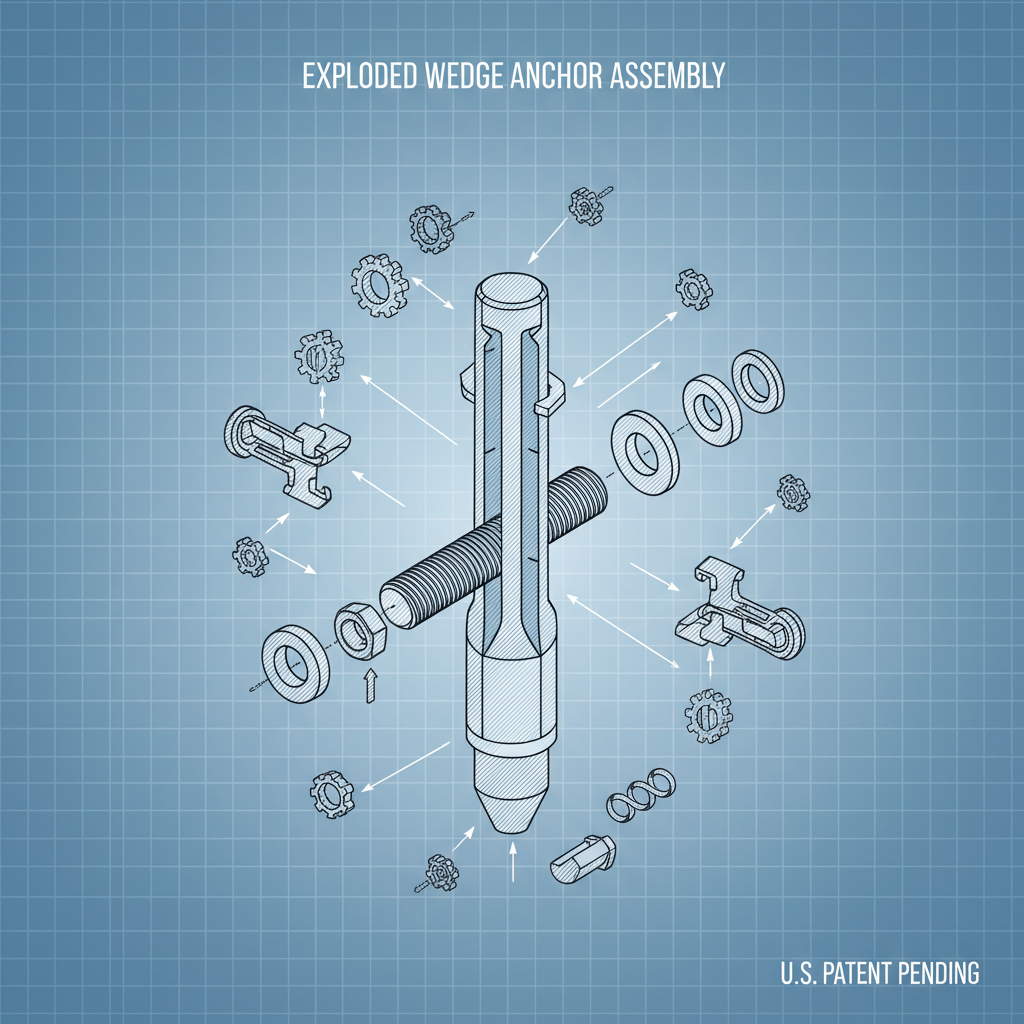
Key Features of 3 8 x 6 1 2 Stainless Steel Wedge Anchors
The 3 8 x 6 1 2 stainless steel wedge anchor is engineered for strength and corrosion resistance. The “3 8” refers to the diameter of the anchor, while “6 1 2” indicates its length. Constructed from high-quality stainless steel (typically 304 or 316), these anchors offer exceptional durability in harsh environments. The wedge design creates a secure mechanical interlock with the concrete, providing a robust hold. They’re ideal for applications requiring high tensile and shear strength. Crucially, the stainless steel construction prevents rust and corrosion, making them suitable for outdoor or chemically exposed environments. YT Bolt provides a range of sizes and specifications to match your specific needs.
Key Highlights: Constructed from high-quality stainless steel, offering exceptional durability and corrosion resistance. The wedge design provides a secure mechanical interlock for robust holding power.
Applications for Stainless Steel Wedge Anchors
These anchors are incredibly versatile, finding applications in numerous sectors. They're commonly used in construction for securing ledgers, sill plates, and structural supports. In industrial settings, they’re employed to mount machinery, equipment, and railings. Marine environments benefit from the corrosion-resistant properties for dock installations and boat anchoring. Furthermore, they are effective for attaching fixtures to concrete walls and floors in commercial and residential buildings. From securing safety barriers to installing electrical conduits, the 3 8 x 6 1 2 stainless steel wedge anchor provides a reliable fastening solution. The robust nature and corrosion resistance makes it a go-to solution. Explore YTBolt's selection for diverse application needs.
Common Application Areas:
• Construction: Securing structural supports and ledgers.
• Industrial: Mounting machinery and equipment.
• Marine: Dock installations and boat anchoring.
• Commercial/Residential: Attaching fixtures to concrete.
3 8 x 6 1 2 vs. Other Anchor Types
While numerous anchoring solutions exist, wedge anchors offer distinct advantages. Compared to sleeve anchors, wedge anchors typically provide higher load-bearing capacity. Compared to concrete screws, wedge anchors excel in demanding applications requiring higher shear strength. Compared to expansion bolts, wedge anchors often offer a more consistent and reliable grip, reducing the risk of slippage. The choice of anchor depends on the specific application, load requirements, and substrate conditions. For projects demanding a secure, corrosion-resistant hold in concrete, the 3 8 x 6 1 2 stainless steel wedge anchor is a preferred choice.
Installation Guide & Best Practices
Proper installation is critical for maximizing the anchor's performance. First, drill a hole with the correct diameter and depth, matching the anchor's specifications. Clean the hole thoroughly to remove dust and debris. Insert the anchor through the fixture and into the hole. Then, using a wrench, tighten the nut to expand the wedge, creating a secure mechanical grip. Avoid over-tightening, as this can damage the concrete. Always ensure the anchor is fully seated and the fixture is flush against the surface. Refer to YTBolt’s installation resources for detailed instructions.
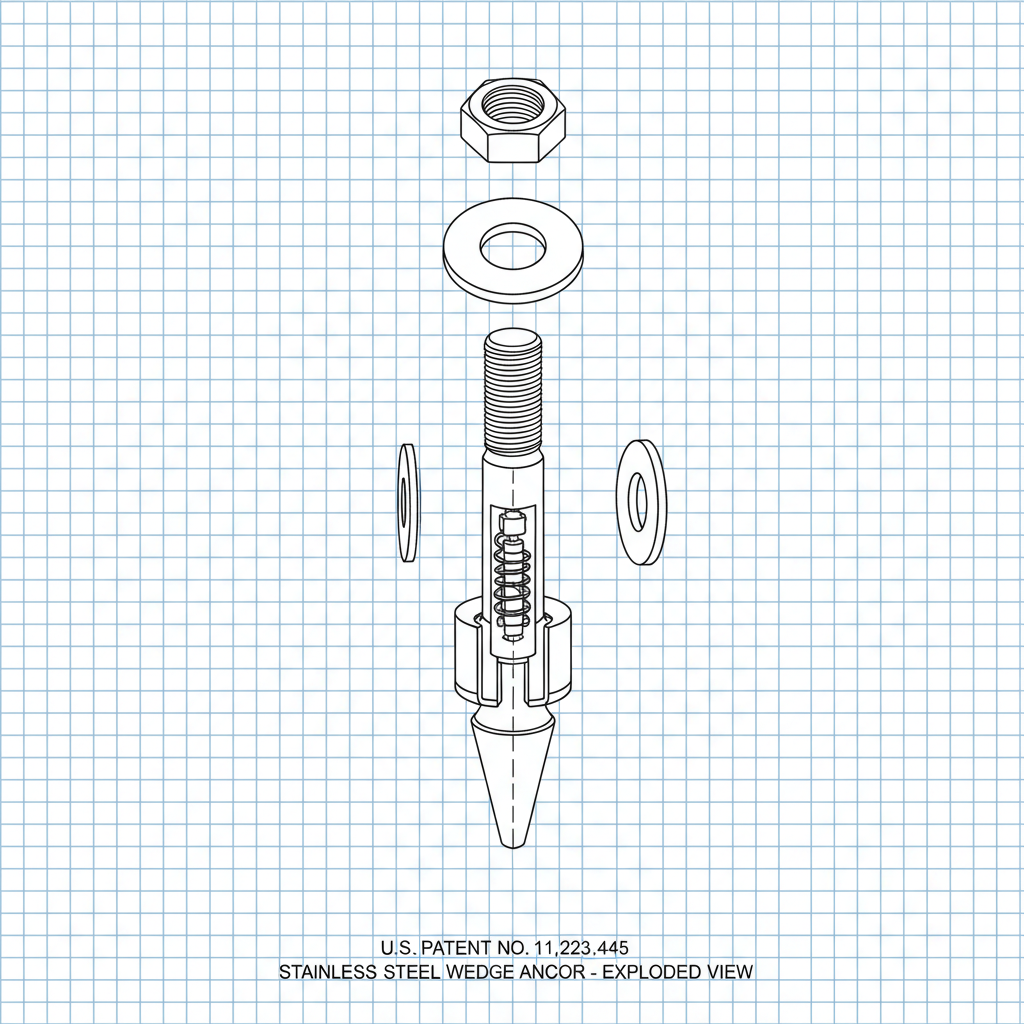
Product Specifications & Ordering Information
Understanding the specifications is crucial for choosing the right anchor. The 3 8 x 6 1 2 designation refers to the anchor's diameter (3/8 inch) and length (6 1/2 inches). Common materials include 304 and 316 stainless steel. The tensile strength and shear strength will vary depending on the material and grade. When ordering, specify the desired quantity, material, and any required coatings or finishes. YTBolt’s product catalog provides detailed specifications and ordering options.
Conclusion: Reliable Anchoring with Stainless Steel
The 3 8 x 6 1 2 stainless steel wedge anchor offers a robust and durable solution for a wide range of anchoring applications. Its corrosion resistance, high strength, and ease of installation make it a preferred choice for professionals. By understanding its features and proper installation techniques, you can ensure a secure and long-lasting connection. Choose quality and reliability – choose stainless steel wedge anchors from YTBolt.
Frequently Asked Questions (FAQs)
What is the recommended embedment depth for a 3 8 x 6 1 2 wedge anchor?
The minimum embedment depth for a 3/8 x 6 1/2 inch wedge anchor is typically 2 1/2 inches. However, it’s crucial to consult the manufacturer’s specifications, as this can vary depending on the anchor’s design and the concrete’s compressive strength. Insufficient embedment can significantly reduce the anchor’s holding capacity and compromise its structural integrity. Always ensure the anchor is fully embedded to the recommended depth to achieve optimal performance and safety. Refer to the YTBolt product data sheet for the specific anchor you are using.
Can I use these anchors in cracked concrete?
Wedge anchors can be used in cracked concrete, but it's crucial to select an anchor specifically tested and approved for such applications. Look for anchors with certifications demonstrating their performance in cracked concrete, such as those meeting ICC-ES standards. These anchors are designed to maintain their load-bearing capacity even in the presence of cracks. However, it's essential to follow the manufacturer’s guidelines regarding crack width and spacing to ensure proper performance. Using a non-approved anchor in cracked concrete can lead to failure.
What type of drill bit should I use to install these anchors?
Use a carbide-tipped rotary hammer drill bit specifically designed for concrete. The drill bit size should match the diameter of the anchor (3/8 inch for a 3/8 inch anchor). Using the correct drill bit ensures a clean, accurate hole that allows for proper anchor insertion and expansion. Avoid using standard drill bits, as they may not effectively penetrate the concrete and can create a jagged hole that compromises the anchor's performance.
-
Guide to Calculating the Best Expansion Anchor Bolt Length
NewsApr.16,2026
-
Guide to the Correct Drill Size for 3 8 Wedge Anchor Installation
NewsApr.09,2026
-
Comprehensive Guide to Dottie Wedge Anchor Selection and Installation
NewsApr.07,2026
-
Comprehensive Guide to Ceiling Wedge Anchors for Secure Installations
NewsApr.04,2026
-
Understanding the Versatility and Applications of Carbon Steel Wedges
NewsMar.31,2026
-
The Essential Guide to Bolt Wedges Strength and Application
NewsMar.28,2026
 English
  Bengali
  Bulgarian
  Catalan
  Czech
Czech  French
  German
  Hindi
Hindi  Hungarian
  Italian
  Kazakh
  Korean
  Portuguese
  Romanian
  Slovak
  Somali
  Spanish
  Turkish


