The m6 anchor bolt. It sounds simple, right? Just a little bolt. But after years spent on construction sites, wrestling with concrete, and talking with engineers who really know their stuff, I can tell you it's a cornerstone of so much of what we build. It’s the unsung hero holding things together, and getting it right – specifying the correct type, ensuring proper installation – makes or breaks a project. It’s not glamorous, but it’s fundamental. We’re talking about safety, longevity, and ultimately, the success of everything from a simple balcony railing to a massive industrial structure. m6 anchor bolt quality directly impacts timelines and budgets.
What’s often overlooked is how ubiquitous these seemingly small components are. From securing safety barriers on highways to anchoring critical equipment in manufacturing plants, the m6 anchor bolt is everywhere. Global infrastructure projects, residential construction booms – they all rely on a steady supply of reliable, high-performing anchors. The demand is consistent, but the nuances surrounding material science, load-bearing capacity, and corrosion resistance are where things get complex. Understanding these details isn’t just about meeting building codes; it’s about building structures that endure.
I’ve seen projects delayed, even jeopardized, by shortcuts taken with anchoring systems. It’s a classic case of penny-wise, pound-foolish. Investing in quality m6 anchor bolts and proper installation is far less costly than dealing with failures down the road – failures that can lead to everything from minor repairs to catastrophic collapses. It’s a lesson I’ve learned firsthand, and it’s why I’m so passionate about getting the details right.
The Foundational Role of m6 Anchor Bolts
The m6 anchor bolt isn’t just a fastener; it's a critical load transfer element. Think about any structure – a building, a bridge, a machine base – it all relies on transferring forces from the structure to the foundation. The m6 anchor bolt provides that essential connection. Properly specified and installed, it distributes stress, prevents movement, and ensures the structural integrity of the entire system. Choosing the right type is paramount, considering factors like the substrate material (concrete, brick, stone), the applied loads (static, dynamic, shear), and the environmental conditions. m6 anchor bolt selection directly influences the life of a build.
What I’ve found after decades in the field is that many people underestimate the impact of a seemingly minor component like this. Engineers specify, but the installers are the ones who make it happen. Clear communication, proper training, and strict adherence to installation guidelines are essential. A poorly installed anchor, even a high-quality one, is a liability waiting to happen.
Global Relevance and Industry Context
Globally, construction is a multi-trillion dollar industry, and anchoring systems are a fundamental part of virtually every project. The United Nations estimates that over half the world's population lives in urban areas, a figure projected to rise to 68% by 2050. This urbanization drives massive demand for new infrastructure – buildings, transportation networks, energy facilities – all requiring reliable anchoring solutions. Even in developing nations, where construction practices may be less standardized, the need for safe and durable structures is critical, and m6 anchor bolt plays a crucial role.
We’re also seeing increasing demand from industries like renewable energy. Wind turbines, solar farms, and offshore platforms all rely heavily on robust anchoring systems to withstand extreme environmental conditions. The ISO standards for structural steel and concrete construction have become increasingly stringent, driving the need for higher-performance anchors that meet these rigorous requirements.
The challenge, particularly in rapidly developing economies, is ensuring consistent quality control and adherence to international standards. Counterfeit or substandard anchors pose a serious risk, potentially leading to structural failures and endangering lives. That’s why sourcing from reputable suppliers is so important.
Defining the m6 Anchor Bolt
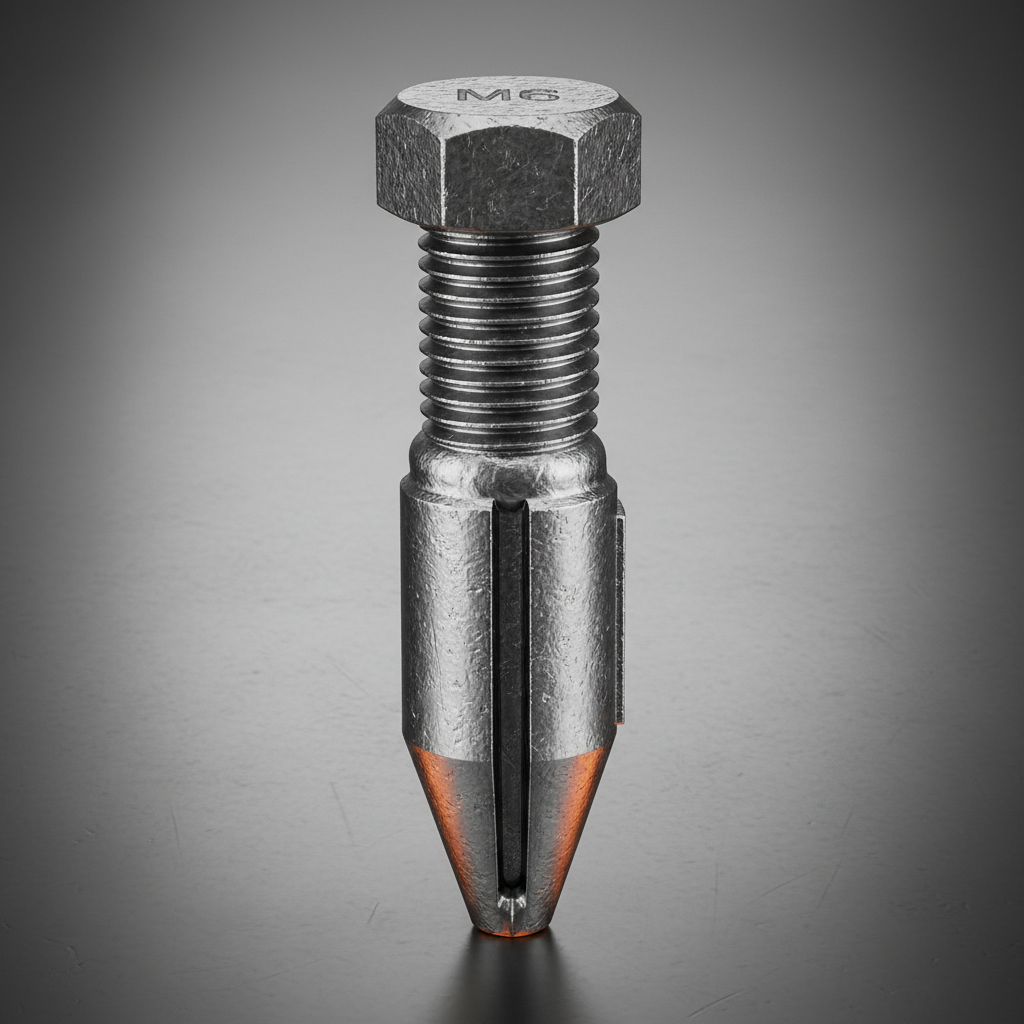
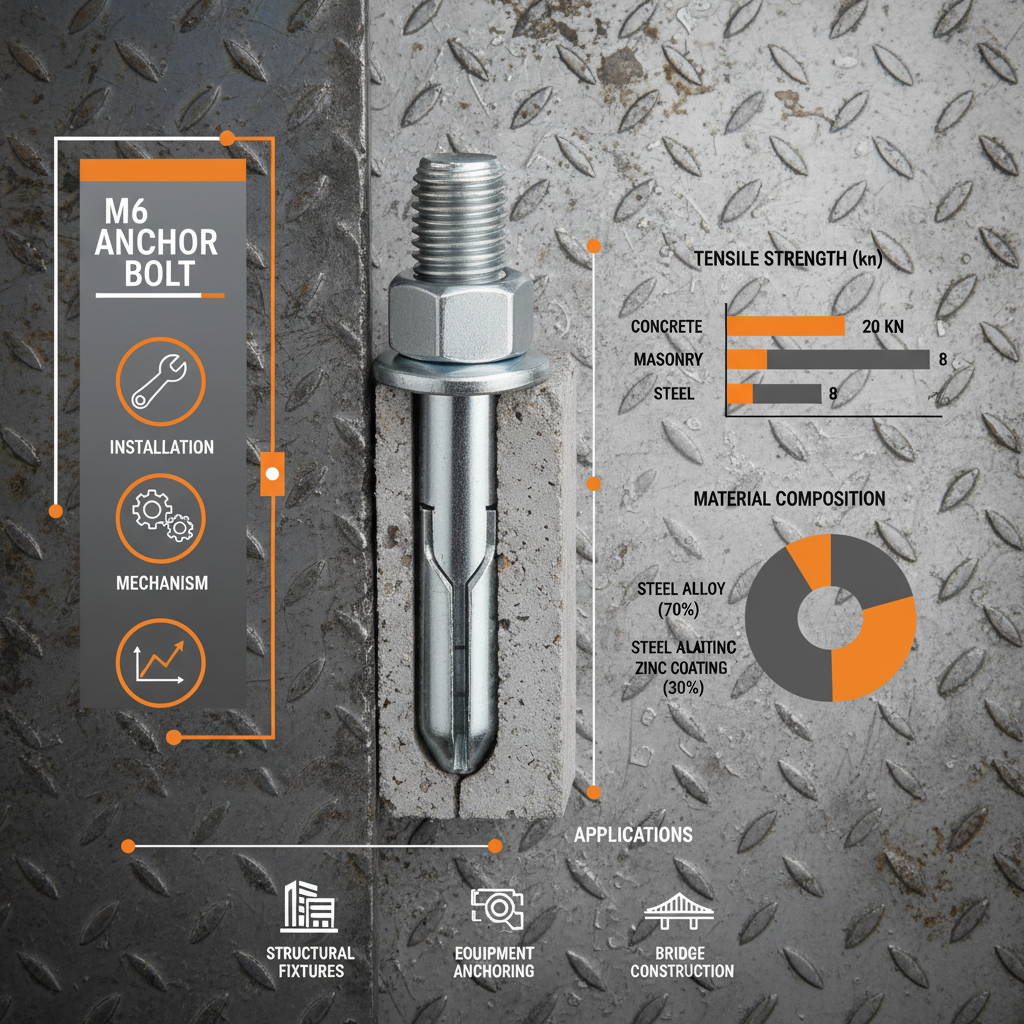
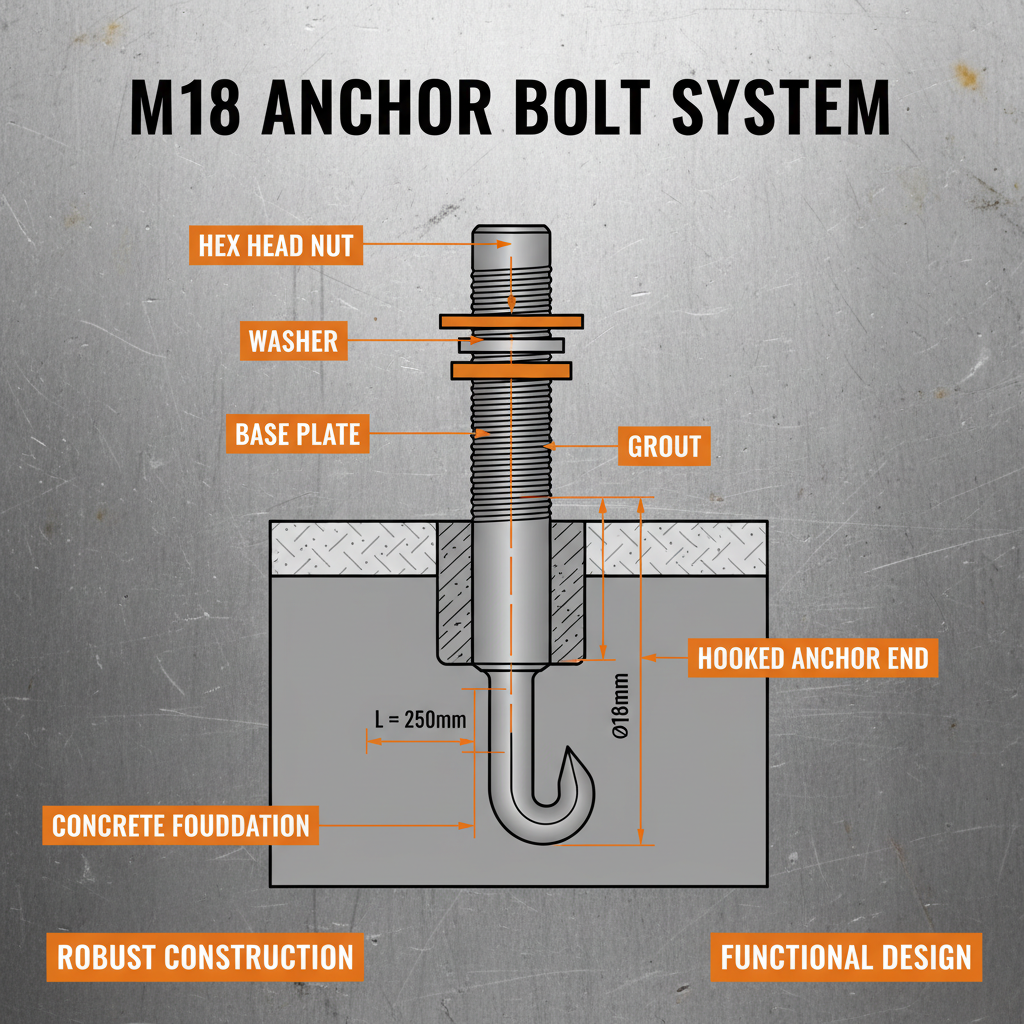
An m6 anchor bolt is a fastener designed to create a secure connection between a structural element and a base material, typically concrete or masonry. The “m6” designation refers to the metric thread diameter – 6 millimeters. These bolts typically consist of a threaded body, a head (often hexagonal for wrench tightening), and an expansion mechanism that grips the base material when tightened. They are used in a wide array of applications, from light-duty fixtures to heavy-duty structural supports.
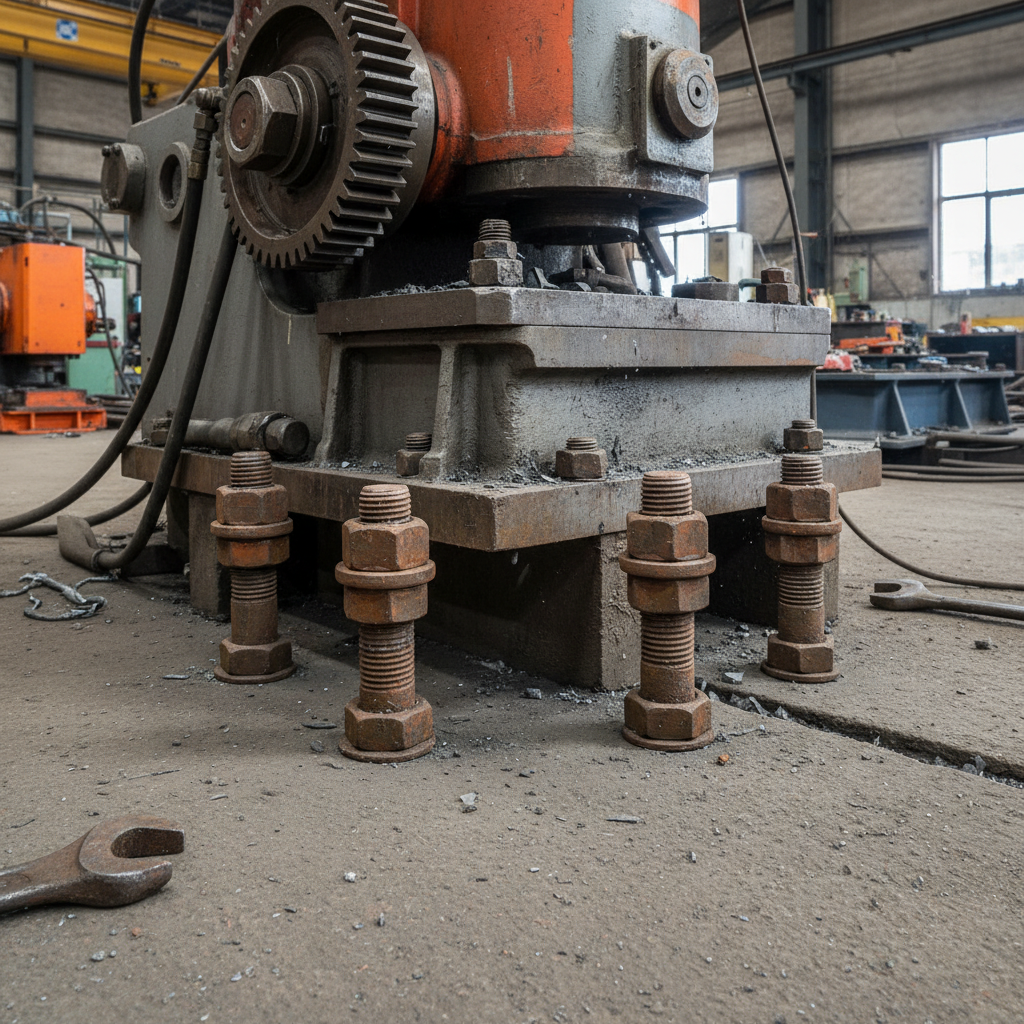
What connects the m6 anchor bolt to modern industry and even humanitarian needs is its versatility and reliability. In industrial settings, they secure machinery, racking systems, and safety equipment. In residential construction, they anchor balconies, handrails, and façade elements. And in disaster relief situations, they can be used to quickly erect temporary shelters or secure critical infrastructure. Their relatively small size and ease of installation make them a practical choice for a wide range of applications.
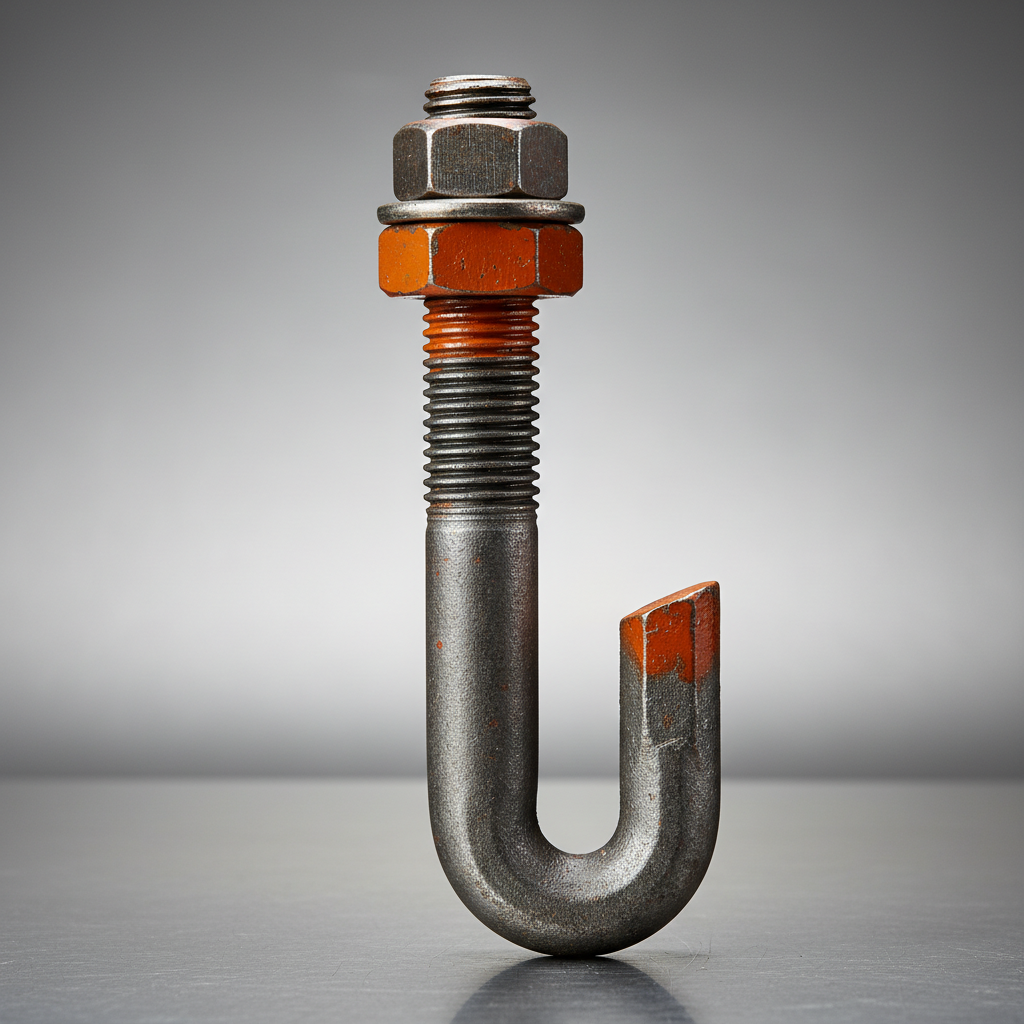
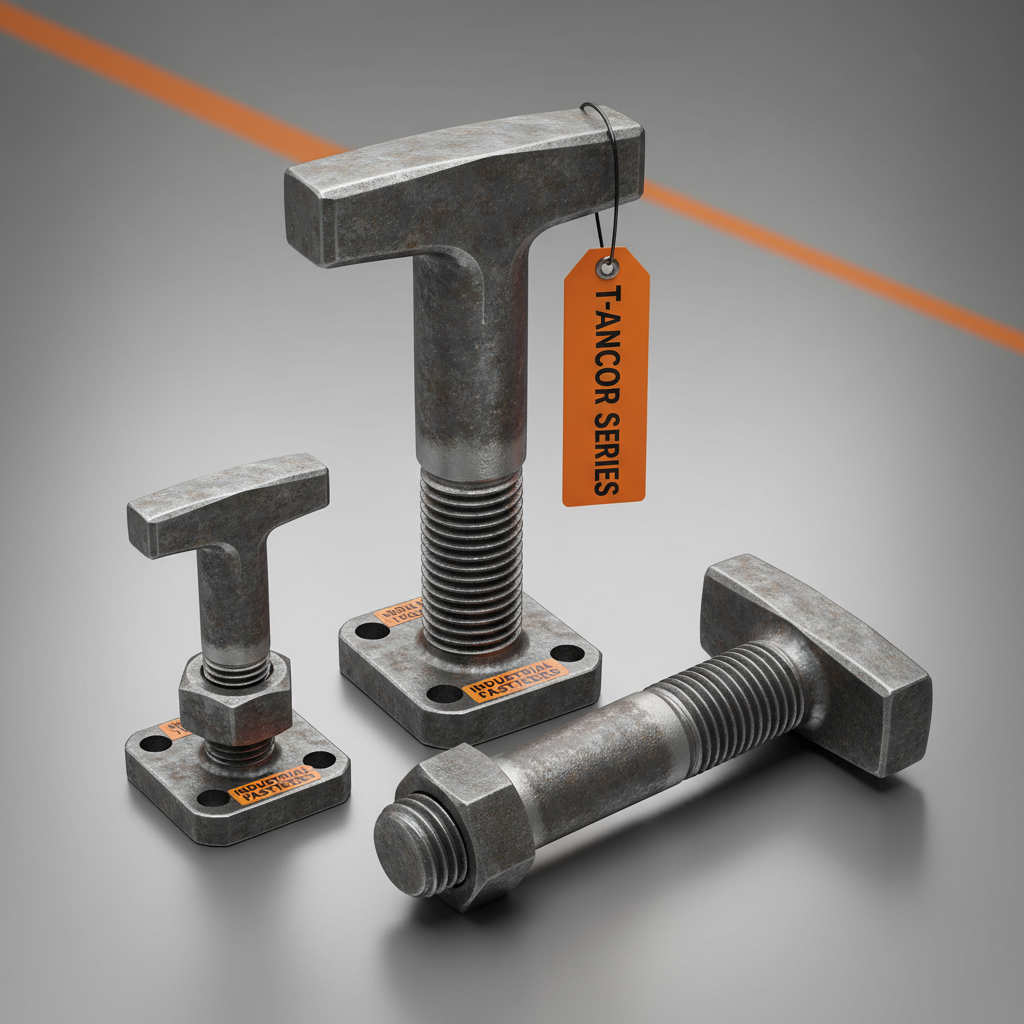
It’s crucial to understand that “m6 anchor bolt” is a general term. There are various types – sleeve anchors, wedge anchors, chemical anchors – each with its own specific characteristics and applications. Choosing the right type depends on the load requirements, the base material, and the environmental conditions.
Key Characteristics of Effective m6 Anchor Bolts
Durability is paramount. These bolts are often subjected to harsh conditions – corrosion, vibration, temperature fluctuations – so they need to be made from high-quality materials, such as stainless steel or galvanized carbon steel. Proper coating is critical to prevent rust and extend the lifespan of the anchor.
Load-bearing capacity is another key factor. The m6 anchor bolt must be able to withstand the applied loads without failing. This is determined by the anchor's tensile strength, shear strength, and the embedment depth in the base material. Always refer to the manufacturer’s specifications and consult with a structural engineer to ensure adequate capacity.
Performance Ratings of Different m6 Anchor Bolt Types
Real-World Applications of m6 Anchor Bolts
In post-disaster relief operations, m6 anchor bolts are often used to quickly secure temporary structures like medical clinics or communication centers. Their ease of installation and relatively low cost make them ideal for rapid deployment. In remote industrial zones, they anchor machinery and equipment to concrete foundations, ensuring safe and reliable operation.
The automotive industry relies heavily on these bolts to secure components within vehicle manufacturing plants. Even in residential construction, you’ll find them used to mount handrails, secure lighting fixtures, and anchor furniture to prevent tipping. The common thread is the need for a reliable, cost-effective fastening solution.
Advantages and Long-Term Value Proposition
The most immediate advantage of using quality m6 anchor bolts is cost-effectiveness. Compared to more complex fastening systems, they’re relatively inexpensive. But the long-term value goes far beyond the initial cost. A properly anchored structure is a safer structure, reducing the risk of accidents and injuries. It’s also a more durable structure, minimizing maintenance costs and extending its lifespan.
From a sustainability perspective, choosing durable anchors reduces the need for frequent replacements, conserving resources and reducing waste. The peace of mind knowing that critical components are securely fastened is also invaluable. It builds trust with clients, protects your reputation, and ultimately contributes to the success of your projects.
Future Trends and Innovations in Anchoring Systems
We're seeing a growing trend toward smart anchoring systems that incorporate sensors to monitor load levels and detect potential failures. This allows for proactive maintenance and prevents catastrophic events. Also, research into new materials, such as self-healing concrete and corrosion-resistant alloys, is promising to extend the lifespan of anchoring systems even further.
Digital twins – virtual replicas of physical structures – are becoming increasingly common, and they rely on accurate data about anchoring systems. This data is used to simulate performance, identify potential weaknesses, and optimize maintenance schedules. Automation in installation is also gaining traction, with robotic systems capable of precisely placing and tightening anchors.
Sustainability continues to be a major driver of innovation. Manufacturers are exploring the use of recycled materials and developing more environmentally friendly coatings to reduce the carbon footprint of anchoring systems.
Summary of Key Factors Influencing m6 Anchor Bolt Selection
| Base Material Type |
Load Type (Static/Dynamic) |
Environmental Exposure |
Required Safety Factor |
| Reinforced Concrete (Typical) |
Primarily Static |
Moderate (Outdoor, Protected) |
3.0 |
| Solid Brick Masonry |
Mixed (Static & Vibration) |
High (Coastal, Salt Spray) |
4.5 |
| Hollow Concrete Block |
Low (Light Fixtures) |
Low (Indoor) |
2.0 |
| Natural Stone (Limestone) |
Static (Facade Attachment) |
Moderate (Rain/Freeze Cycles) |
3.5 |
| Precast Concrete (High Strength) |
Dynamic (Machinery Base) |
Moderate (Industrial Environment) |
5.0 |
| Aerated Concrete (Lightweight) |
Low (Shelf Mounting) |
Low (Indoor, Dry) |
2.5 |
FAQS
Too often, people focus solely on the immediate holding capacity and neglect to consider the long-term effects of corrosion or dynamic loading. Choosing the wrong material or anchor type for the environment and application can lead to premature failure. Always consult with a structural engineer and review the manufacturer’s specifications.
Proper installation is crucial. Verify the correct embedment depth, torque specifications, and spacing. Visually inspect the installation to ensure the anchor is flush and properly seated. If possible, perform pull-out tests to confirm the anchor’s holding capacity meets the required standards.
Sleeve anchors are generally used in softer base materials like concrete, expanding through friction. Wedge anchors are designed for harder materials and rely on a wedge mechanism to create a secure grip. Wedge anchors typically offer higher load-bearing capacity.
Generally, no. Once an m6 anchor bolt is tightened, its expansion mechanism is engaged. Attempting to reuse it can compromise its holding capacity and lead to failure. It’s always best to install a new anchor for a secure connection.
Common causes include improper installation, inadequate embedment depth, corrosion, overloading, and using the wrong anchor type for the application. Regular inspection and maintenance can help prevent failures.
Consult the manufacturer’s technical data sheets, industry standards like ICC-ES reports, and building codes. A qualified structural engineer can also provide guidance on selecting the appropriate anchor for your specific application.
Conclusion
The m6 anchor bolt, despite its small size, is a fundamental component in modern construction and a wide range of industrial applications. Its reliability, versatility, and cost-effectiveness make it an indispensable fastener. Understanding its characteristics, proper installation techniques, and future trends is crucial for engineers, contractors, and anyone involved in building and maintaining safe and durable structures.
Moving forward, embracing innovative anchoring systems, prioritizing sustainability, and investing in ongoing training will be key to ensuring the continued success of our infrastructure. Don't underestimate the power of a properly specified and installed m6 anchor bolt—it’s a small part that makes a big difference.




 English
  Bengali
  Bulgarian
  Catalan
  Czech
Czech  French
  German
  Hindi
Hindi  Hungarian
  Italian
  Kazakh
  Korean
  Portuguese
  Romanian
  Slovak
  Somali
  Spanish
  Turkish