


Mar . 24, 2026 02:15 Back to list
Understanding Anchor Fastener Wedge Type Systems for Robust Construction
Understanding Anchor Fastener Wedge Type Systems
When it comes to securing structures and ensuring long-term stability, selecting the right anchor fastener is critical. Among the various options available, the anchor fastener wedge type stands out for its robust performance and versatility. This article will delve into the mechanics, applications, benefits, and considerations when using wedge-type anchors, providing a comprehensive guide for engineers, contractors, and anyone involved in construction or infrastructure projects. Understanding these systems is essential for a safe and durable build.
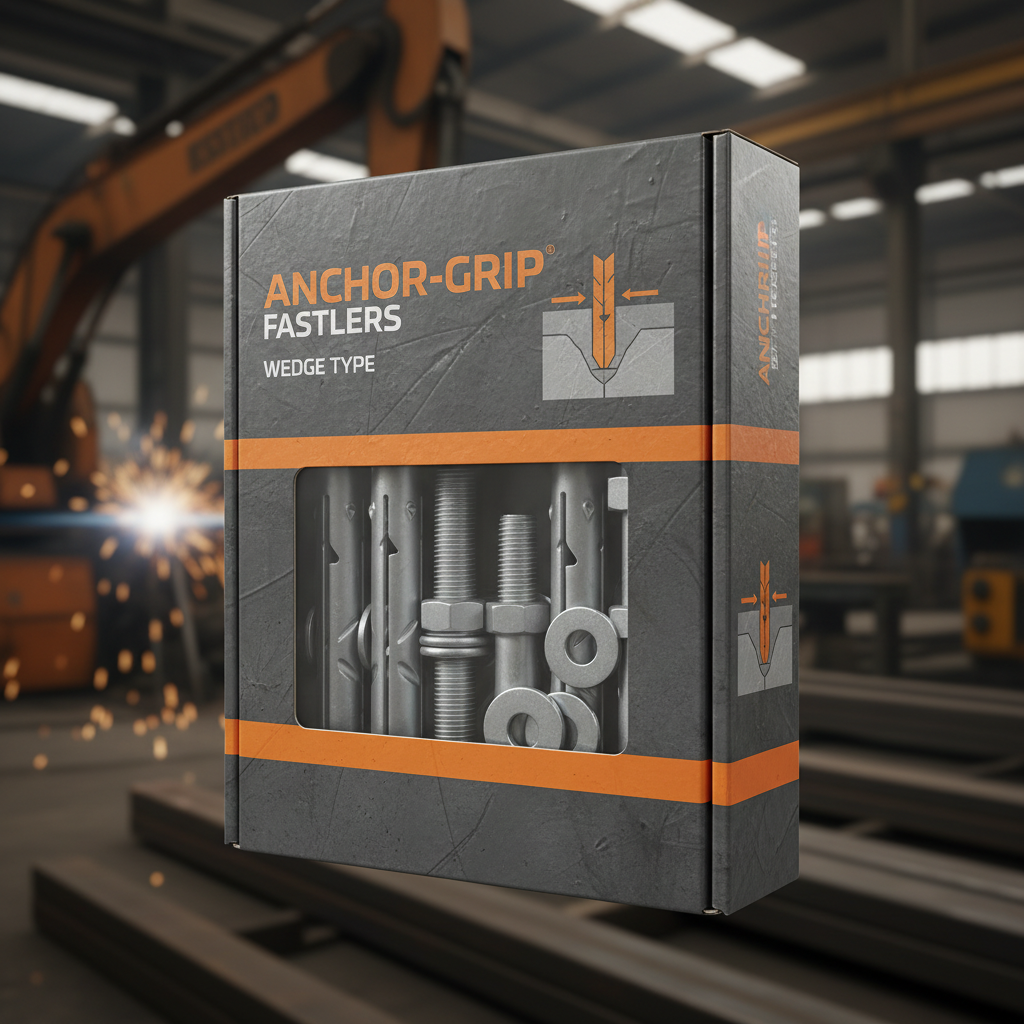
How Anchor Fastener Wedge Type Systems Work
Wedge-type anchors function on a simple yet effective principle: mechanical interlock. These anchors consist of a bolt, a wedge, and a sleeve. When the bolt is tightened, it pulls the wedge into the sleeve, expanding the anchor against the concrete or masonry. This expansion creates a frictional force that resists pull-out, providing a strong and reliable connection. The design allows for high load-bearing capacity and is suitable for a variety of base materials. The key to their effectiveness lies in the precise fit and quality of the materials used. YT Bolt specializes in producing high-quality wedge anchors.
Key Advantage: Wedge anchors provide a robust and reliable fastening solution, especially when dealing with heavy loads and demanding applications. Their mechanical interlock ensures a strong and durable connection.
Common Applications of Wedge Anchors
Wedge anchors are used extensively in a wide range of construction and industrial applications. Some common examples include: securing structural steel to concrete foundations, anchoring machinery and equipment, attaching handrails and guardrails, and installing shelving and racking systems. They are particularly well-suited for applications where high pull-out resistance is required, such as seismic zones or areas prone to strong winds. They are often found in commercial buildings, industrial facilities, and infrastructure projects. Proper installation is crucial for optimal performance in these applications.
Key Application Areas:
• Structural Steel Anchoring
• Machinery Mounting
• Safety Railings & Guardrails
• Shelving & Racking Systems
Anchor Fastener Wedge Type: Material Comparison
Wedge anchors are available in various materials to suit different environments and load requirements. Common materials include carbon steel (typically zinc-plated), stainless steel (304, 316), and galvanized steel. Carbon steel offers good strength and cost-effectiveness for general applications. Stainless steel provides superior corrosion resistance for outdoor or harsh environments. Galvanized steel offers a balance between strength and corrosion protection. Choosing the right material is critical to ensure long-term performance and prevent premature failure. YT Bolt offers a range of material options to meet diverse project needs.
Key Considerations for Installation
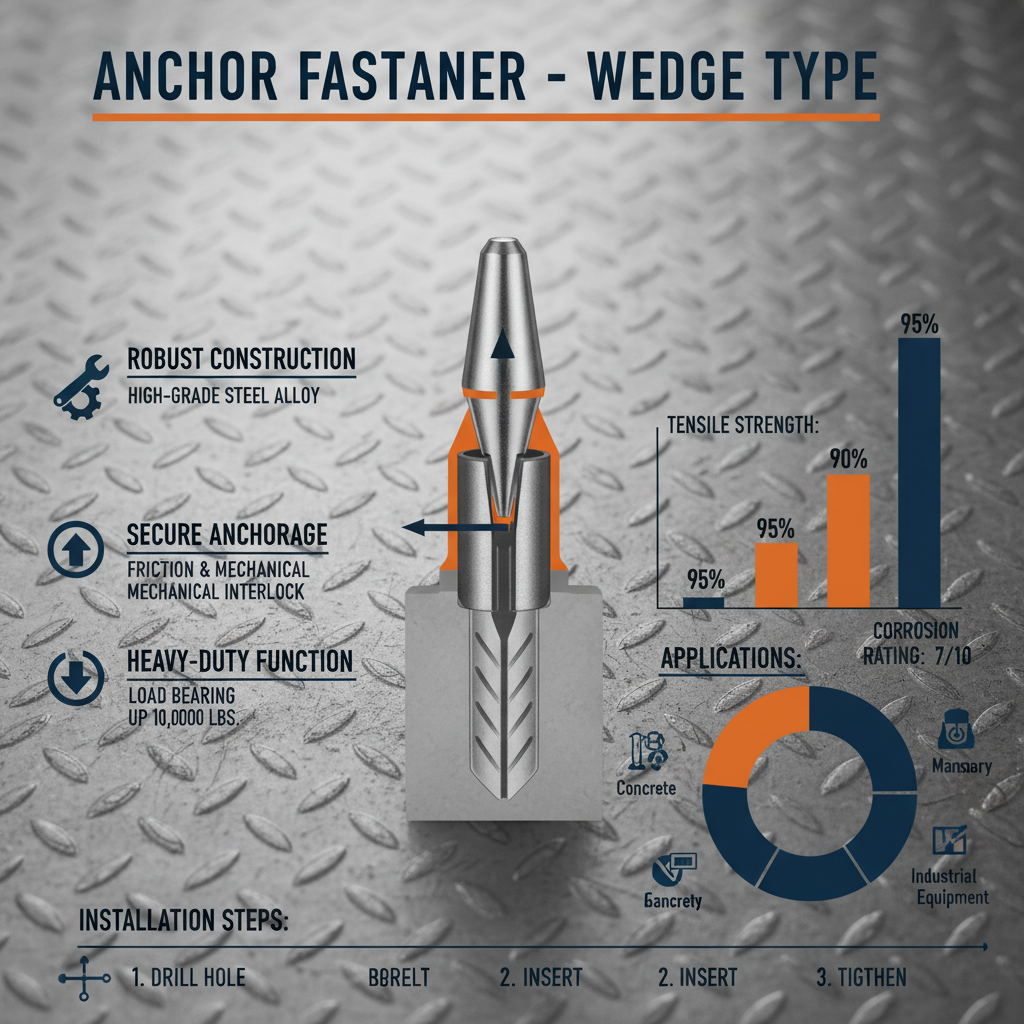
Proper installation is paramount for ensuring the performance and safety of wedge anchors. Several factors must be considered, including: correct hole diameter and depth, proper cleaning of the hole to remove dust and debris, and appropriate torque application. Over-tightening can damage the anchor or the base material, while under-tightening can result in inadequate holding power. Always consult the manufacturer’s specifications for recommended installation procedures. Utilizing the right tools and techniques will guarantee a secure and lasting connection.
Conclusion: Choosing the Right Wedge Anchor System
Investing in Reliability with Wedge Anchors
The anchor fastener wedge type remains a cornerstone of modern construction and industrial applications. By understanding the principles of operation, material considerations, and installation best practices, you can ensure a safe, durable, and reliable connection for your projects. YT Bolt is committed to providing high-quality wedge anchors and expert guidance to meet your specific needs.
Frequently Asked Questions (FAQs)
What is the minimum edge distance and spacing required for wedge anchors?
Minimum edge distance and spacing are crucial for preventing concrete spalling. Generally, a minimum edge distance of 2.5 times the anchor diameter is recommended, and spacing between anchors should be at least 3 times the anchor diameter. However, these values can vary depending on the concrete strength and the specific anchor type. Always consult the manufacturer’s specifications and relevant building codes for precise requirements. Insufficient edge distance or spacing can significantly reduce the anchor's holding capacity and compromise structural integrity.
Can wedge anchors be used in cracked concrete?
Wedge anchors can be used in cracked concrete, but it's essential to select anchors specifically designed and tested for this application. These anchors typically have special features, such as internal expansion mechanisms or larger diameters, to maintain holding capacity in the presence of cracks. The crack width and spacing must also be within the anchor's allowable limits. Always refer to the manufacturer's guidelines and ensure the anchor is suitable for the specific crack conditions.
What torque should be applied to wedge anchors?
The correct torque to apply to wedge anchors is crucial for optimal performance. Over-tightening can strip the threads or damage the anchor, while under-tightening can result in inadequate holding power. The recommended torque value is typically specified by the anchor manufacturer and is often dependent on the anchor diameter and material. Using a calibrated torque wrench is essential to ensure accurate torque application. Always consult the manufacturer’s datasheet or installation guide for the correct torque value.
Are there specific tools required for installing wedge anchors?
Yes, several tools are essential for proper wedge anchor installation. These include a hammer drill with a correctly sized carbide-tipped drill bit, a brush or vacuum for cleaning the hole, a torque wrench for tightening the anchor, and potentially a setting tool for certain anchor types. Using the appropriate tools ensures accurate drilling, cleaning, and tightening, which are crucial for achieving the anchor's rated load capacity.
-
Guide to Calculating the Best Expansion Anchor Bolt Length
NewsApr.16,2026
-
Guide to the Correct Drill Size for 3 8 Wedge Anchor Installation
NewsApr.09,2026
-
Comprehensive Guide to Dottie Wedge Anchor Selection and Installation
NewsApr.07,2026
-
Comprehensive Guide to Ceiling Wedge Anchors for Secure Installations
NewsApr.04,2026
-
Understanding the Versatility and Applications of Carbon Steel Wedges
NewsMar.31,2026
-
The Essential Guide to Bolt Wedges Strength and Application
NewsMar.28,2026
 English
  Bengali
  Bulgarian
  Catalan
  Czech
Czech  French
  German
  Hindi
Hindi  Hungarian
  Italian
  Kazakh
  Korean
  Portuguese
  Romanian
  Slovak
  Somali
  Spanish
  Turkish


