


Aug . 19, 2025 02:20 Back to list
Hex Head Sleeve Anchors: Strong Concrete & Masonry Fasteners
Understanding Hex Head Sleeve Anchors: Industry Trends and Technical Parameters
In the dynamic world of construction and industrial fastening, the hex head sleeve anchor stands as a cornerstone for securing fixtures to concrete, brick, or block substrates. This mechanical expansion anchor, renowned for its robust holding power and ease of installation, is increasingly vital in projects demanding high structural integrity. Current industry trends reveal a growing demand for fasteners that not only comply with stringent international standards like ISO and ANSI but also offer enhanced corrosion resistance and extended service life. Manufacturers are focusing on advanced material science, utilizing high-grade carbon steel with protective coatings such as yellow zinc plating, which significantly improves resistance to environmental degradation. Furthermore, the market is witnessing a shift towards specialized designs, including those with a hex sleeve or hex sleeve nut, to accommodate diverse load requirements and installation environments. The versatility of these anchors, available in various dimensions such as 1 2 sleeve anchors, 3 4 sleeve anchor, and 5 8 sleeve anchor, makes them indispensable across a multitude of applications, from heavy machinery installation in industrial settings to critical structural supports in commercial buildings. The focus remains on optimizing tensile strength, shear strength, and pull-out resistance, ensuring that each sleeve anchor hex bolt performs reliably under static and dynamic loads, aligning with the escalating demands for safety and durability in modern construction practices. This evolution underscores a commitment to engineering excellence, pushing the boundaries of what these seemingly simple components can achieve in complex, high-stress environments.
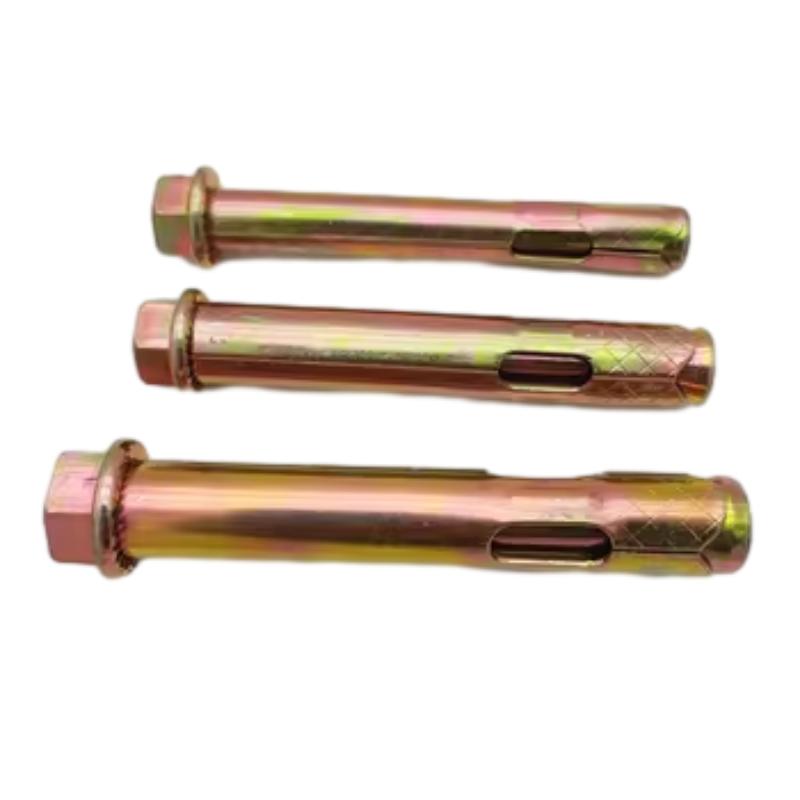
The technical parameters of a hex head sleeve anchor are critical determinants of its performance and suitability for specific applications. Key specifications include anchor diameter, length, drill hole diameter, minimum embedment depth, and material composition. For instance, carbon steel variants, particularly those with yellow zinc plating, offer a balance of strength and corrosion resistance suitable for many general-purpose and outdoor applications. The design incorporates a threaded stud, a fully assembled expansion sleeve, a hex nut, and a washer. When the hex nut is tightened, the tapered end of the stud draws the expansion sleeve up, creating a wedge action that securely anchors the fastener within the drilled hole. The selection of the appropriate anchor size, such as a 1 2 sleeve anchor or a larger 3 4 sleeve anchor, is contingent upon the load bearing requirements and the characteristics of the base material. Engineering specifications often require adherence to standards like ASTM F1554 for anchor bolts or specific ISO standards for mechanical fasteners, ensuring consistent quality and performance. Understanding these parameters, including the ultimate tensile strength (UTS) and yield strength of the steel, alongside the load-bearing capacity in various substrate types (e.g., normal weight concrete, lightweight concrete, masonry), is essential for engineers and project managers. Advanced testing, including pull-out and shear strength tests, validates the anchor's ability to resist forces, providing crucial data for design and safety calculations. This meticulous approach to material science and structural mechanics ensures that each hex head sleeve anchor meets the rigorous demands of its intended application, preventing structural failures and ensuring long-term stability.
Manufacturing Process and Quality Assurance for Sleeve Anchors
The production of a high-quality hex head sleeve anchor involves a sophisticated multi-stage manufacturing process, ensuring precision, durability, and consistent performance. This journey begins with the selection of premium raw materials, typically high-strength carbon steel, which is carefully chosen for its specific mechanical properties, including tensile strength and hardness. The initial stages involve material preparation, where steel rods or wires are cut to precise lengths. Following this, cold heading or forging processes are employed to form the hex head and the threaded portion of the bolt, minimizing material waste and enhancing grain structure for superior strength. The sleeve component, often a hollow cylindrical shape, is typically formed through stamping or cold drawing, ensuring uniform wall thickness and concentricity. Post-forming, critical heat treatment processes, such as quenching and tempering, are applied to achieve the desired hardness and toughness, preventing brittleness and enhancing the overall structural integrity of the hex sleeve. Surface finishing is a crucial step for corrosion protection; common treatments include electro-galvanizing, hot-dip galvanizing, or zinc plating (like yellow zinc), which provide sacrificial protection against rust and prolong the product's service life, especially for anchors used in outdoor or corrosive environments.
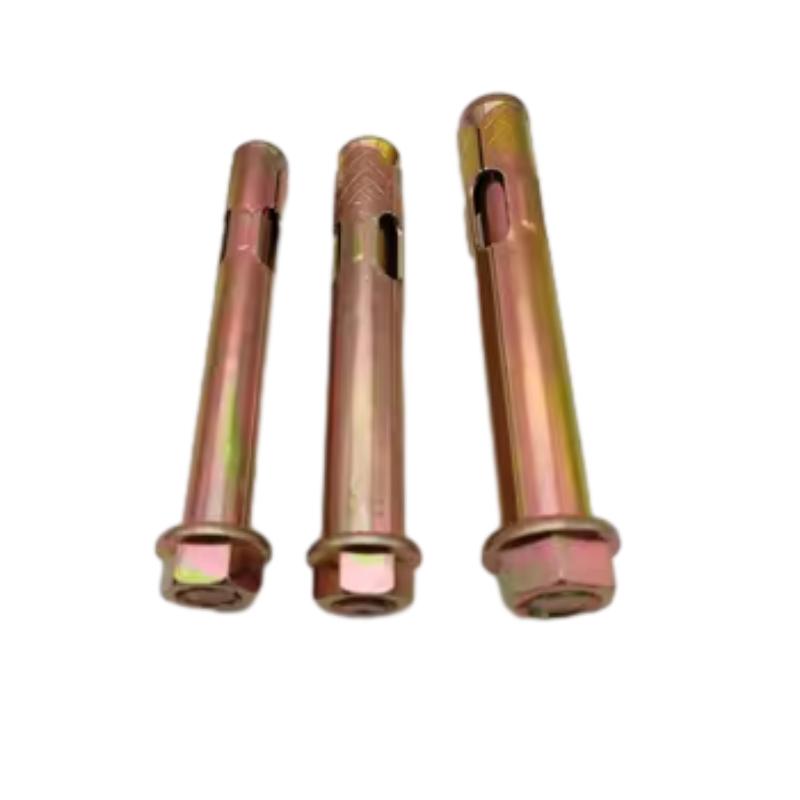
Throughout the manufacturing cycle, rigorous quality control and inspection standards are strictly adhered to, ensuring that each sleeve anchor hex bolt meets or exceeds industry benchmarks. This includes dimensional verification using precision calipers and gauges to ensure thread conformity and overall size accuracy, critical for proper installation and secure fastening. Material analysis, such as spectrographic analysis, confirms the chemical composition of the steel, while mechanical testing, including tensile strength tests, shear strength tests, and hardness tests (e.g., Rockwell or Brinell), verifies the material's structural integrity and load-bearing capabilities. Furthermore, pull-out tests are conducted on representative samples to simulate real-world application conditions, assessing the anchor's resistance to withdrawal from various base materials. Compliance with international standards such as ISO 9001 for quality management systems, ANSI (American National Standards Institute) for fastener dimensions, and ASTM (American Society for Testing and Materials) for material properties and testing methods is paramount. These stringent checks ensure that every hex head sleeve anchor, whether a 1 2 sleeve anchor or a 5 8 sleeve anchor, delivers consistent, reliable performance and an extended service life, often exceeding 50 years under normal conditions. This meticulous attention to detail from raw material to finished product is what defines a superior fastener, capable of performing reliably in critical structural applications across sectors like petrochemical, metallurgy, and water supply and drainage systems, where properties like corrosion resistance are paramount for system longevity and safety.
Applications and Technical Advantages: What Are Sleeve Anchors Used For?
Understanding what are sleeve anchors used for is key to appreciating their versatility and indispensable role in modern construction and industrial applications. These anchors are extensively utilized in scenarios requiring robust and reliable fastening to solid or hollow masonry, concrete, and brick. Common applications include the installation of heavy machinery, shelving units, handrails, conduits, electrical boxes, and structural elements. For instance, in industrial plants, hex head sleeve anchor systems are vital for securing base plates of conveyor systems, heavy-duty racking, and vibration-prone equipment, where their high pull-out and shear strength ensure operational stability and safety. In commercial construction, they are crucial for facade attachments, curtain wall installations, and the mounting of signage and lighting fixtures. Residential applications range from securing water heaters to basements to mounting television brackets on brick walls. The inherent design, featuring an expanding sleeve that provides 360-degree contact with the base material, offers superior holding power compared to traditional fasteners, minimizing the risk of loosening over time, even under dynamic loads. This widespread applicability highlights why professionals often ask, what are sleeve anchors, seeking solutions for their diverse fastening challenges, whether it’s a standard hex sleeve setup or a specialized hex sleeve nut configuration for specific torque requirements.
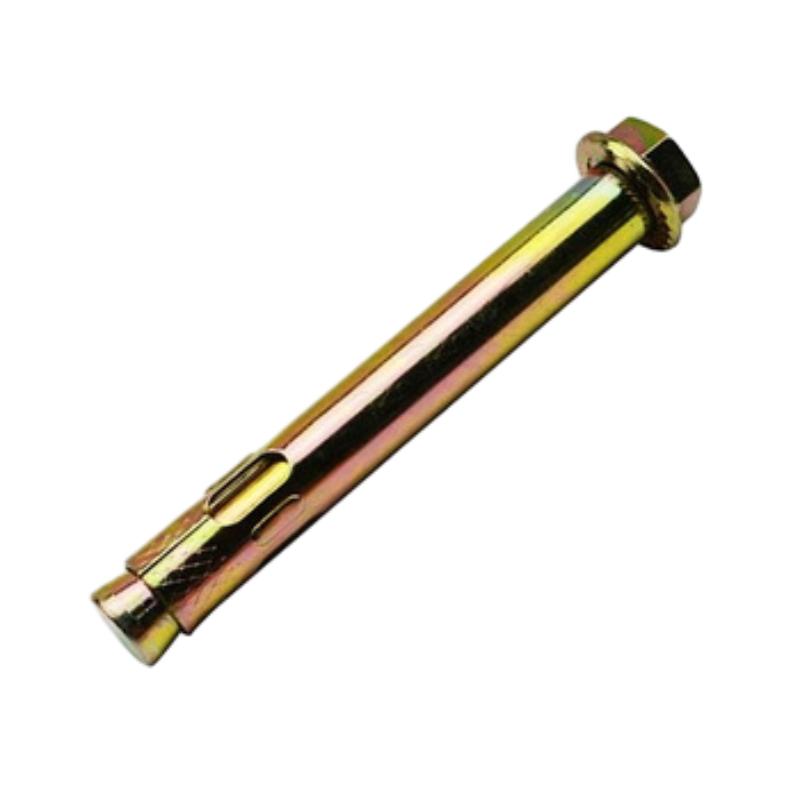
The technical advantages of the hex head sleeve anchor are multifaceted, contributing to its preferred status among engineers and contractors. One primary benefit is its exceptional adaptability to various base materials, making it a highly versatile choice for unpredictable site conditions. Unlike some specialized anchors, the sleeve anchor hex bolt performs reliably in both solid and hollow substrates, provided the correct embedment depth and drill hole diameter are maintained. The expansion mechanism ensures a strong, non-slip grip, distributing stress evenly within the base material and reducing the likelihood of cracking or spalling. Furthermore, their ease of installation, requiring only a pre-drilled hole and a wrench for tightening, significantly reduces labor time and costs on-site. For critical infrastructure in industries such as petrochemical and water treatment, the anti-corrosion properties afforded by treatments like yellow zinc plating are crucial, extending the lifespan of the installed components and reducing maintenance overhead. This attribute directly translates to significant long-term cost savings and enhanced safety. Moreover, the ability to rapidly install these anchors without complex tools or curing times, as required by chemical anchors, makes them ideal for time-sensitive projects. The robustness of a well-engineered hex head sleeve anchor, particularly common sizes like 1 2 sleeve anchors and 3 4 sleeve anchor, minimizes failure rates, leading to more reliable structural integrity and compliance with rigorous safety standards, offering substantial advantages over alternative fastening methods.
Product Specifications: Fasteners Factory Price Carbon Steel Yellow Zinc Sleeve Anchor Hex Flange Nut
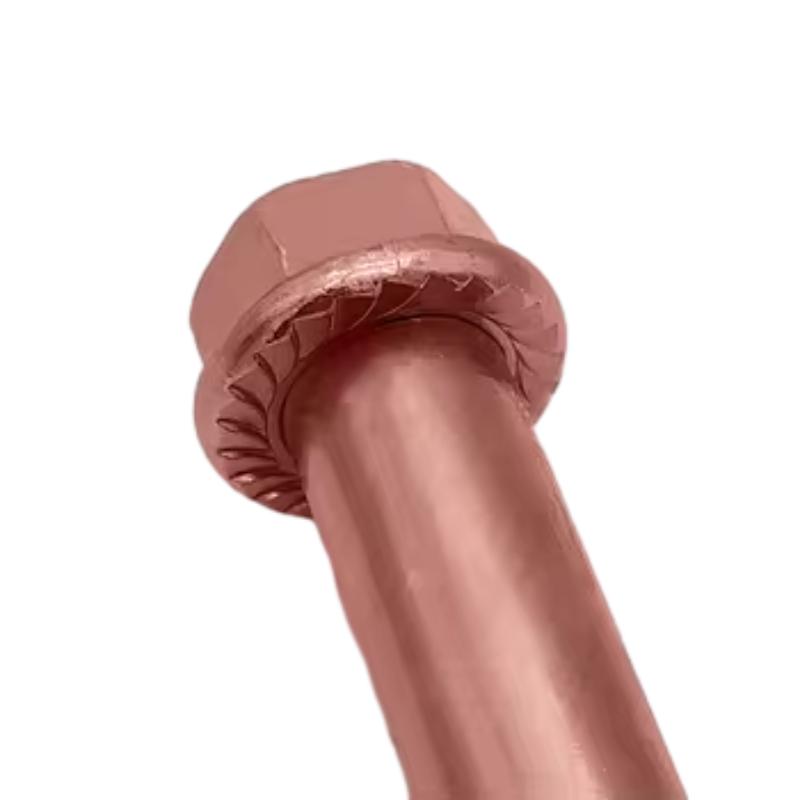
Our Fasteners Factory Price Carbon Steel Yellow Zinc Sleeve Anchor Hex Flange Nut represents a culmination of precision engineering and material science, designed to meet the rigorous demands of modern fastening applications. Manufactured from high-grade carbon steel, known for its excellent strength-to-weight ratio, these anchors undergo a meticulous yellow zinc plating process. This finish provides superior corrosion resistance, making them ideal for both indoor and outdoor environments where protection against rust and chemical exposure is paramount. The inclusion of a hex flange nut enhances load distribution, providing a larger bearing surface and reducing the likelihood of pull-through in softer materials or over-tightening damage. This design, integral to the overall performance of the hex head sleeve anchor, ensures maximum grip and stability. Each component, from the tapered expansion cone to the precision-machined threads, is produced to exacting tolerances, adhering to international standards such as ISO 9001 and ANSI specifications, guaranteeing consistent quality and reliable performance across various substrates. This dedication to quality ensures that our products, including 1 2 sleeve anchors, 3 4 sleeve anchor, and 5 8 sleeve anchor, offer exceptional value and operational security for critical applications.
To provide a comprehensive understanding of our product capabilities, the following table details key technical specifications for our range of hex head sleeve anchor products. These parameters are derived from extensive laboratory testing and field performance data, reflecting real-world application conditions and compliance with industry safety factors.
Tailored Solutions and Trustworthy Partnership
Recognizing that every project presents unique challenges, we specialize in providing customized fastening solutions to meet specific engineering requirements. Whether you need a non-standard length hex head sleeve anchor, a specific type of hex sleeve nut, or an anchor with enhanced properties for extreme environments, our expert team is equipped to collaborate with you from design to delivery. Our engineering department leverages decades of experience in fastener technology, enabling us to recommend optimal material compositions, finishes, and dimensions tailored to your application's load-bearing, environmental, and lifespan demands. We understand the critical role fasteners play in overall structural integrity, and our commitment to precision ensures that customized solutions maintain the same high standards of quality and reliability as our standard products. With a proven track record of serving industries such as petrochemical, energy, and infrastructure for over two decades, our expertise is validated by numerous successful projects and long-standing client relationships. Our certifications, including ISO 9001, attest to our unwavering commitment to quality management and continuous improvement, providing you with confidence in every sleeve anchor hex bolt you receive from us. This comprehensive approach to client engagement and technical support solidifies our position as a preferred partner for complex fastening needs.
At our core, we believe that trust is built on transparency, reliability, and robust support. We offer clear, competitive delivery cycles, typically ranging from 7 to 14 business days for standard orders, with expedited options available for urgent requirements, ensuring your projects stay on schedule. Each shipment of hex head sleeve anchor products is accompanied by comprehensive documentation, including material test reports and certification of compliance with relevant industry standards. We stand behind the quality of our products with a robust 10-year warranty against manufacturing defects, reflecting our confidence in their durability and performance. Our dedicated customer support team is available around the clock to assist with technical queries, order tracking, and any post-purchase support you may require. We regularly gather customer feedback to refine our products and services, incorporating insights from real-world applications to continuously enhance our offerings. For instance, feedback from a major bridge construction project highlighted the ease of installation of our 3 4 sleeve anchor in challenging weather conditions, significantly reducing on-site delays. This proactive engagement, combined with our rigorous quality control and commitment to customer satisfaction, ensures that when you choose our fasteners, you are investing in a partnership built on reliability and shared success. This commitment extends from initial consultation through the entire lifespan of our products, ensuring optimal performance and peace of mind.
Frequently Asked Questions (FAQ)
-
Q: What is the primary advantage of a hex head sleeve anchor over other mechanical anchors?
A: The primary advantage lies in its versatility across various base materials, including solid concrete, brick, and hollow block. Its 360-degree expansion provides excellent holding power, distributing stress evenly and reducing the risk of spalling or cracking in the substrate. This design ensures reliable performance even in less-than-perfect drill holes. -
Q: How do I select the correct size sleeve anchor hex bolt for my application?
A: Selection depends on the weight of the fixture, the type of base material, and the required embedment depth. Our technical team can provide precise recommendations based on your project's specifications, ensuring optimal load-bearing capacity and safety. Refer to our product data sheets for specific load values for 1 2 sleeve anchors, 3 4 sleeve anchor, and other sizes. -
Q: What corrosion resistance can I expect from the yellow zinc plating?
A: Yellow zinc plating offers good corrosion resistance in most indoor and mild outdoor environments. It provides sacrificial protection to the underlying carbon steel, significantly extending the anchor's lifespan compared to unplated fasteners. For highly corrosive environments, we offer specialized coatings or stainless steel alternatives as custom solutions. -
Q: Can these anchors be used in overhead applications?
A: Yes, hex head sleeve anchors are suitable for overhead applications, provided they are installed correctly into appropriate base materials and adhere to specified load capacities and safety factors. Always consult engineering guidelines and local building codes for overhead installations to ensure maximum safety and compliance.
Authoritative References
- American Society for Testing and Materials (ASTM) Standards for Fasteners.
- International Organization for Standardization (ISO) 9001 Quality Management Systems.
- The Concrete Reinforcing Steel Institute (CRSI) Design Guides for Anchoring.
- National Association of Corrosion Engineers (NACE) International Standards for Corrosion Control.
-
Guide to Calculating the Best Expansion Anchor Bolt Length
NewsApr.16,2026
-
Guide to the Correct Drill Size for 3 8 Wedge Anchor Installation
NewsApr.09,2026
-
Comprehensive Guide to Dottie Wedge Anchor Selection and Installation
NewsApr.07,2026
-
Comprehensive Guide to Ceiling Wedge Anchors for Secure Installations
NewsApr.04,2026
-
Understanding the Versatility and Applications of Carbon Steel Wedges
NewsMar.31,2026
-
The Essential Guide to Bolt Wedges Strength and Application
NewsMar.28,2026
 English
  Bengali
  Bulgarian
  Catalan
  Czech
Czech  French
  German
  Hindi
Hindi  Hungarian
  Italian
  Kazakh
  Korean
  Portuguese
  Romanian
  Slovak
  Somali
  Spanish
  Turkish


