


Jan . 28, 2026 11:40 Back to list
Comprehensive Guide to the Strong Bolt 2 Wedge Anchor for Secure Fastening
Understanding the Strong Bolt 2 Wedge Anchor: A Comprehensive Guide
When it comes to securing heavy-duty applications, choosing the right anchor is crucial. The strong bolt 2 wedge anchor stands out as a reliable and robust solution for various construction and industrial needs. This article will delve into the features, applications, installation, and benefits of this anchor, providing a thorough overview for engineers, contractors, and DIY enthusiasts. Selecting the appropriate anchor ensures structural integrity and long-term safety.
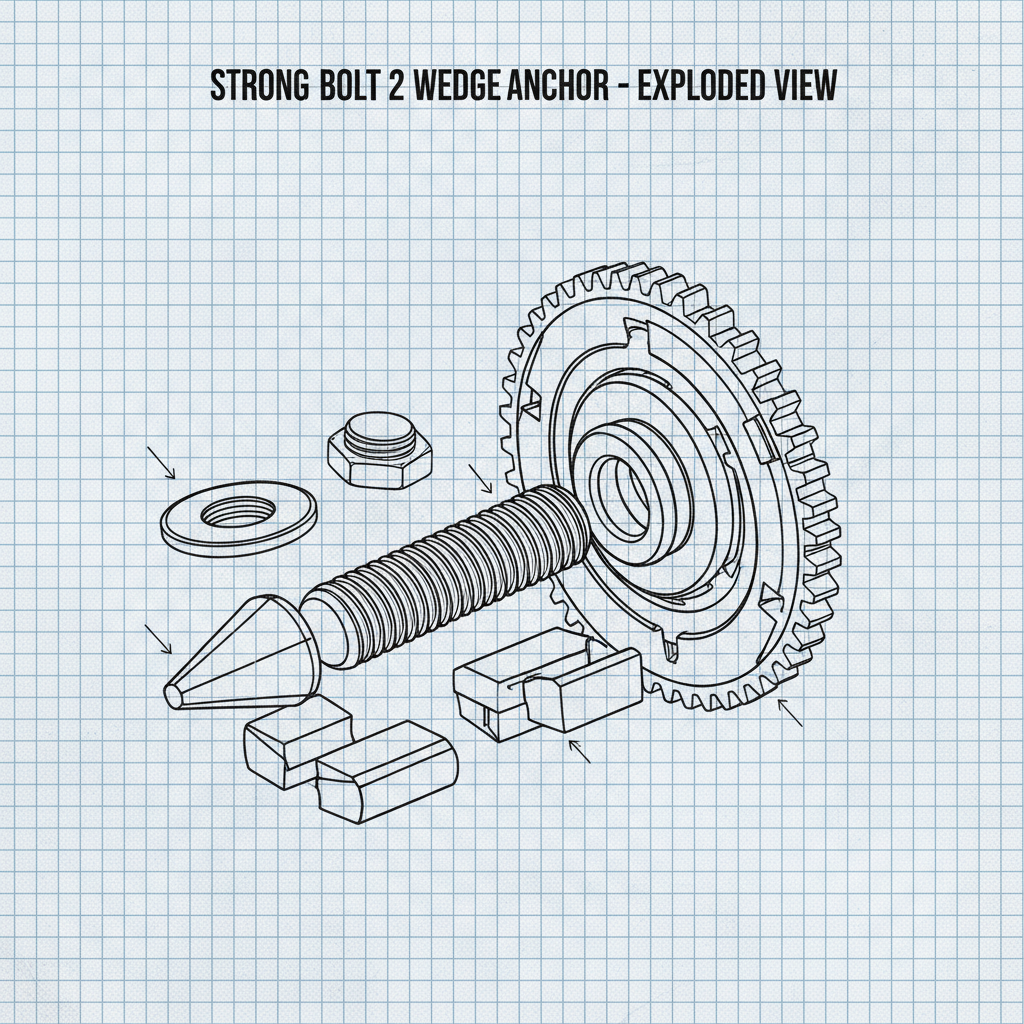
Key Features of the Strong Bolt 2 Wedge Anchor
The strong bolt 2 wedge anchor is engineered for exceptional holding power in concrete and other masonry materials. Its key features include a high-strength steel body, a robust wedge mechanism, and a variety of finishes for corrosion resistance. The anchor expands when tightened, creating a secure and reliable connection. The internal wedge design ensures consistent clamping force, minimizing slippage and maximizing load capacity. These anchors are commonly used in applications where high tensile and shear strength are required.
Key Highlights: High-strength steel body, robust wedge mechanism, and various finishes for corrosion resistance, ensuring a secure and long-lasting connection.
Applications of the Strong Bolt 2 Wedge Anchor
The versatility of the strong bolt 2 wedge anchor makes it suitable for a diverse range of applications. These include attaching structural steel to concrete foundations, securing machinery and equipment, anchoring railings and handrails, and installing curtain walls. They are frequently used in commercial construction, infrastructure projects, and industrial facilities. Because of their strength and reliability, they're a go-to solution when dependable fastening is essential.
Common Applications:
• Attaching structural steel to concrete
• Securing machinery and equipment
• Anchoring railings and handrails
• Installing curtain walls
Strong Bolt 2 Wedge Anchor vs. Sleeve Anchors: A Comparison
While both wedge anchors and sleeve anchors are used for fastening into concrete, they differ in their load-bearing capacity and installation process. Wedge anchors, like the strong bolt 2 wedge anchor, generally offer higher tensile and shear strength, making them ideal for heavy-duty applications. Sleeve anchors, on the other hand, are more suited for lighter loads. Wedge anchors require a pre-drilled hole that matches the anchor’s diameter, while sleeve anchors expand within a slightly smaller hole. Below is a comparative table for clarity.
Installation Guide for the Strong Bolt 2 Wedge Anchor
Proper installation is vital for maximizing the performance of the strong bolt 2 wedge anchor. Here’s a step-by-step guide: 1. Drill a hole of the correct diameter and depth, ensuring it’s perpendicular to the concrete surface. 2. Clean the hole thoroughly to remove dust and debris. 3. Insert the anchor into the hole. 4. Use a wrench to tighten the nut, expanding the wedge and securing the anchor in place. 5. Tighten to the manufacturer’s specified torque. Always refer to the product documentation for precise instructions and safety guidelines.
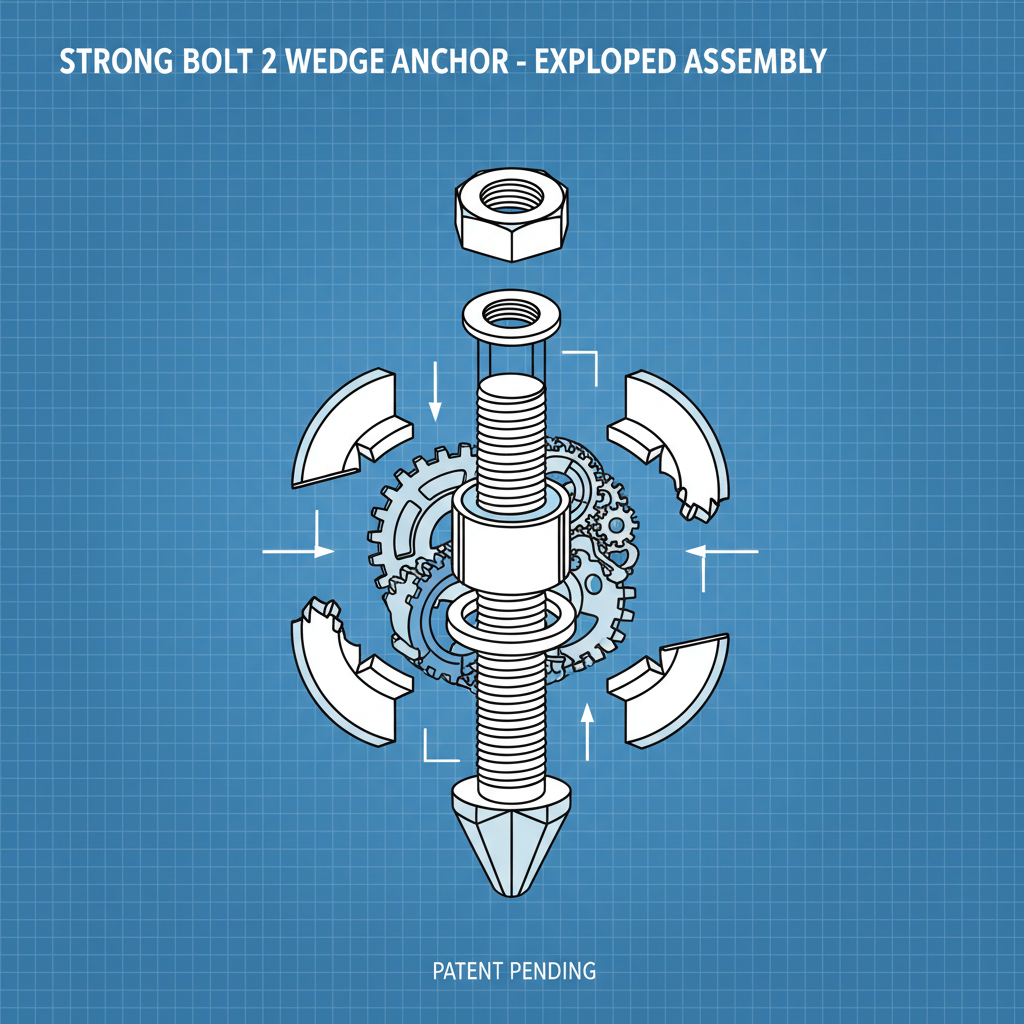
Product Specifications and Available Sizes
The strong bolt 2 wedge anchor is available in a range of sizes and finishes to meet diverse project requirements. Here’s a table outlining the common specifications:
Conclusion: Ensuring Secure Fastening with YT Bolt’s Strong Bolt 2 Wedge Anchor
The strong bolt 2 wedge anchor from YT Bolt delivers the reliability and strength needed for a wide range of critical applications. Its robust design, ease of installation, and variety of sizes make it a top choice for professionals. Choosing the right anchor is an investment in the safety and longevity of your projects. Trust YT Bolt for all your fastening solutions.
Frequently Asked Questions (FAQs)
What type of concrete is best suited for wedge anchors?
Wedge anchors perform optimally in dense concrete with a compressive strength of at least 2,500 psi. Avoid using them in lightweight concrete or concrete with significant cracks or voids, as these conditions can compromise the anchor's holding power. Proper concrete preparation, including cleaning and ensuring the concrete is fully cured, is crucial for successful installation. Always consult with a structural engineer if you're unsure about the suitability of the concrete for wedge anchors.
What safety precautions should be taken when installing wedge anchors?
Always wear appropriate personal protective equipment (PPE), including safety glasses, gloves, and a dust mask, when drilling into concrete. Be aware of the surrounding environment and avoid drilling near electrical wires or plumbing. Ensure the work area is well-ventilated. Never over-tighten the anchor, as this can damage the concrete or the anchor itself. It’s recommended to follow the manufacturer’s instructions carefully and consult with a qualified professional if needed.
Can wedge anchors be used in cracked concrete?
Using wedge anchors in cracked concrete is generally not recommended. While some wedge anchors are designed to accommodate limited cracking, the anchor's holding capacity can be significantly reduced if installed in a severely cracked area. It's best to avoid installing wedge anchors in locations with active or large cracks. Consider using alternative anchoring solutions designed specifically for cracked concrete, such as epoxy anchors or expansion anchors with special sleeves.
What is the recommended edge distance for wedge anchors?
The recommended edge distance for wedge anchors is typically at least 2.5 times the anchor diameter. This ensures there's enough concrete material to support the anchor's expansion force without causing the concrete to spall or crack. Always refer to the manufacturer's specifications for the specific anchor you're using, as edge distance requirements can vary based on the anchor's design and the concrete's properties.
-
Guide to Calculating the Best Expansion Anchor Bolt Length
NewsApr.16,2026
-
Guide to the Correct Drill Size for 3 8 Wedge Anchor Installation
NewsApr.09,2026
-
Comprehensive Guide to Dottie Wedge Anchor Selection and Installation
NewsApr.07,2026
-
Comprehensive Guide to Ceiling Wedge Anchors for Secure Installations
NewsApr.04,2026
-
Understanding the Versatility and Applications of Carbon Steel Wedges
NewsMar.31,2026
-
The Essential Guide to Bolt Wedges Strength and Application
NewsMar.28,2026
 English
  Bengali
  Bulgarian
  Catalan
  Czech
Czech  French
  German
  Hindi
Hindi  Hungarian
  Italian
  Kazakh
  Korean
  Portuguese
  Romanian
  Slovak
  Somali
  Spanish
  Turkish


