0%

Table of Contents

Pallet rack anchors are fundamental components in modern warehousing and logistics, providing the crucial connection between storage rack structures and the floor. Their importance extends beyond simple stability; they directly impact workplace safety, operational efficiency, and the long-term integrity of storage systems. A secure anchoring system is essential for preventing rack collapse, protecting valuable inventory, and safeguarding personnel. The correct selection and installation of pallet rack anchors are therefore paramount for any facility utilizing pallet racking.

Globally, the demand for efficient and safe warehousing solutions is constantly increasing, driven by the growth of e-commerce and global supply chains. According to the World Bank, international trade volume continues to rise, necessitating expanded storage capacity. This, in turn, fuels the need for robust and reliable pallet rack systems, and consequently, high-quality anchoring solutions. Ignoring proper anchoring can lead to costly accidents, legal liabilities, and significant disruptions to supply chain operations.

The increasing complexities of modern logistics, coupled with stricter safety regulations (such as those enforced by OSHA), underscore the critical role of effective pallet rack anchoring. Businesses are recognizing that investing in superior pallet rack anchors is not merely a cost, but a vital investment in operational resilience and risk mitigation.
Essential Guide to Pallet Rack Anchors for Warehouse Safety and Efficiency

Defining Pallet Rack Anchors and Their Significance

Essential Guide to Pallet Rack Anchors for Warehouse Safety and Efficiency

Pallet rack anchors are fastening devices specifically engineered to securely connect pallet rack uprights to the concrete floor. They resist forces generated by loaded pallets, preventing tipping, sway, and potential collapse. These anchors are more than just bolts; they are critical safety components designed to withstand significant tensile and shear stresses.

The necessity for robust anchoring systems arises from the inherent instability of loaded pallet racks. Without proper anchoring, these structures are vulnerable to damage from impacts, uneven loading, or seismic activity. Modern warehousing relies on maximizing vertical space, and this increased height amplifies the risks associated with unstable racking. Therefore, selecting appropriate pallet rack anchors is directly linked to ensuring a safe and productive work environment.

The Global Context of Pallet Rack Anchors

The global warehousing and logistics industry is a multi-trillion dollar market, and it’s projected to continue growing exponentially. This growth, driven by e-commerce and increasingly complex supply chains, directly translates into increased demand for pallet racking and, consequently, robust anchoring solutions. Developing nations with rapidly expanding economies are seeing particularly strong growth in warehousing needs.

International standards organizations, such as the International Organization for Standardization (ISO), have established guidelines for racking safety, emphasizing the importance of proper installation and anchoring. OSHA regulations in the United States and similar safety mandates in Europe and Asia further reinforce this need. Compliance with these standards is not only a legal requirement but also a critical component of responsible business practice.

Furthermore, the increased frequency of natural disasters – including earthquakes, hurricanes, and floods – underscores the importance of resilient anchoring systems. Facilities located in disaster-prone regions require specialized pallet rack anchors designed to withstand extreme forces and maintain structural integrity during and after seismic events.

Understanding the Core Components of Pallet Rack Anchoring

A complete pallet rack anchoring system consists of several key components. The anchor bolt itself is the primary fastening element, transferring load from the rack upright to the concrete floor. Baseplates, typically welded to the bottom of the rack uprights, provide a mounting surface for the anchors. Shims are often used to ensure proper alignment and load distribution.

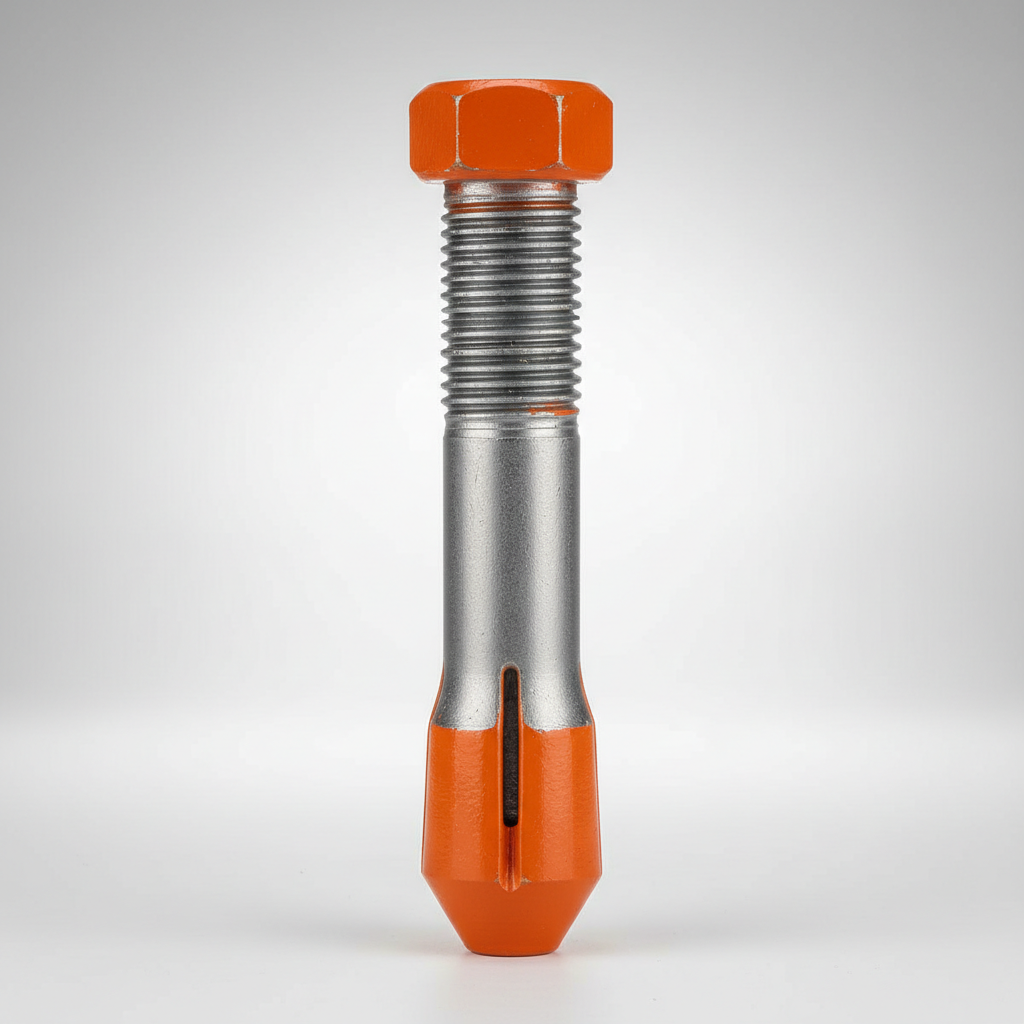
The type of anchor bolt used – wedge anchors, sleeve anchors, or chemical anchors – depends on several factors, including the concrete's compressive strength, the load requirements, and the floor's condition. Wedge anchors are commonly used for standard applications, while sleeve anchors offer greater flexibility and load capacity. Chemical anchors, involving epoxy or other bonding agents, provide the highest strength and are often preferred for cracked or weakened concrete.

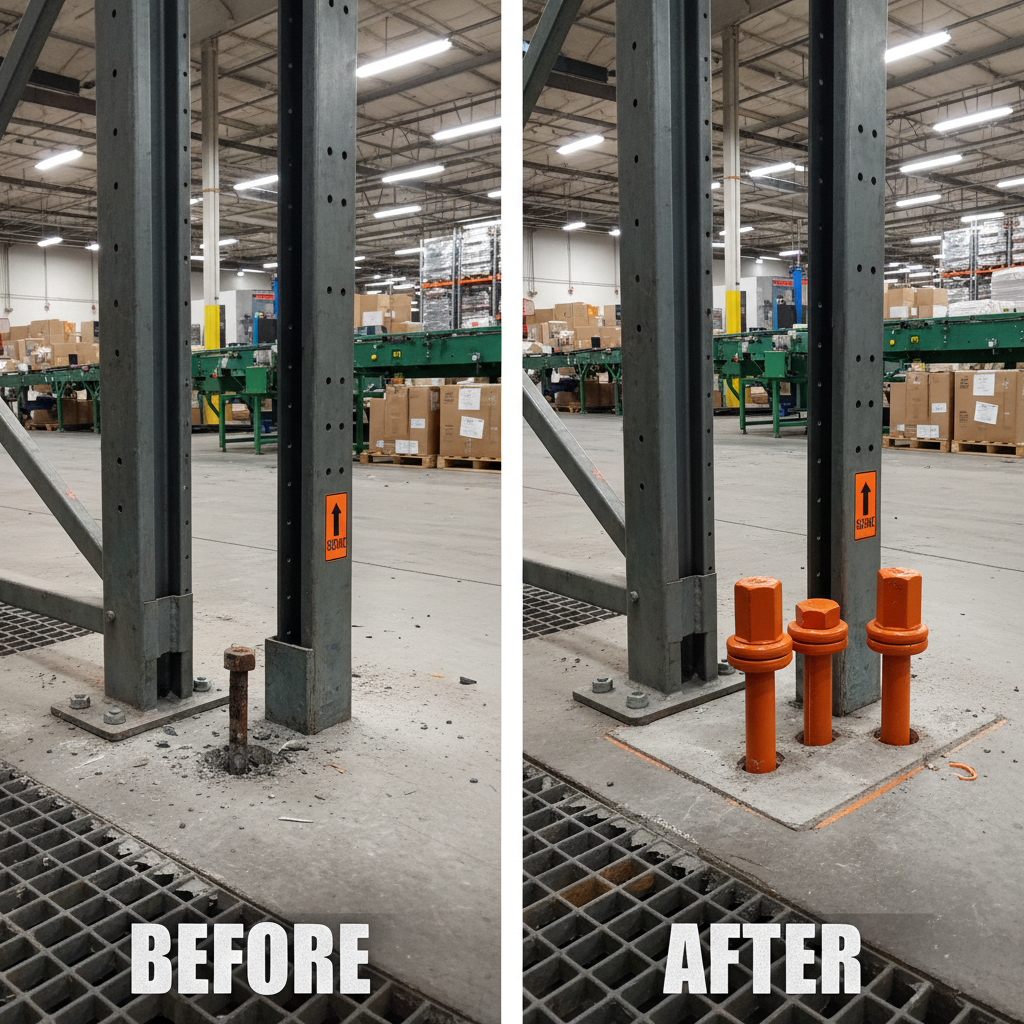
Proper installation is just as critical as selecting the right components. Anchors must be installed to the correct depth and torque specifications to ensure optimal performance. Incorrectly installed pallet rack anchors can significantly reduce their load-bearing capacity and compromise the stability of the entire racking system.

Key Factors Influencing Pallet Rack Anchor Performance

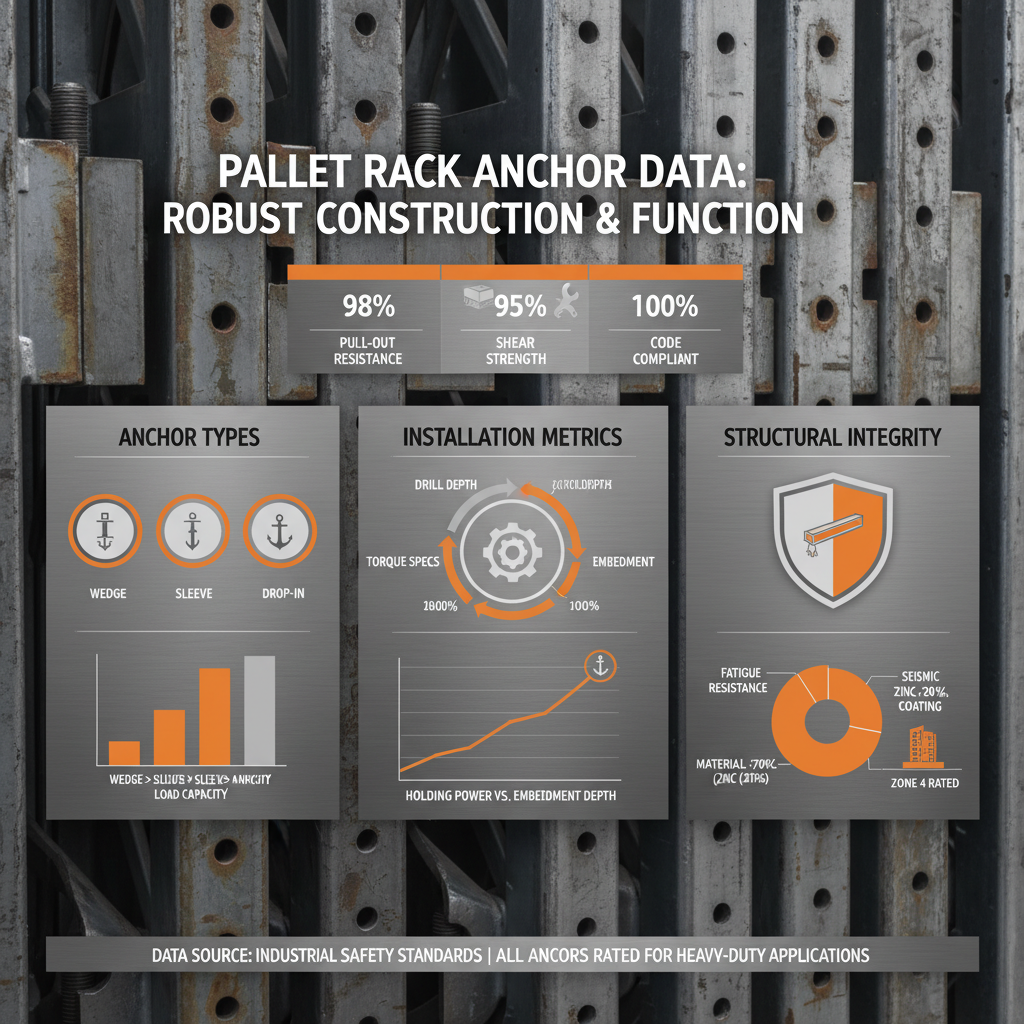
Several key factors determine the effectiveness of pallet rack anchoring. Concrete floor quality is paramount; cracked, spalled, or weakened concrete significantly reduces anchor holding power. Rack load capacity dictates the required anchor strength and spacing. Heavier loads necessitate more robust anchors and a denser anchoring pattern.

Pallet Rack Anchor Performance Factors


Real-World Applications of Pallet Rack Anchors

Pallet rack anchors are utilized across a wide spectrum of industries, including warehousing, distribution centers, manufacturing facilities, retail stores, and even cold storage environments. They are essential for safely storing a diverse range of goods, from lightweight consumer products to heavy industrial materials.

In post-disaster relief operations, quickly deployable pallet racking systems, secured by appropriate pallet rack anchors, are used to efficiently organize and distribute emergency supplies. Similarly, in remote industrial zones with limited infrastructure, robust anchoring solutions are crucial for maintaining the stability of storage facilities.

Advantages and Long-Term Value of Secure Anchoring

Investing in high-quality pallet rack anchors offers a multitude of benefits. Primarily, it significantly enhances workplace safety, reducing the risk of rack collapse and potential injuries. Secondly, it protects valuable inventory from damage, minimizing financial losses. Proper anchoring also extends the lifespan of the racking system, reducing the need for costly replacements.

Beyond the tangible economic benefits, secure anchoring fosters a culture of safety and reliability, building trust with employees and customers. Choosing durable, corrosion-resistant anchors contributes to long-term sustainability, reducing the environmental impact associated with frequent replacements.

Future Trends and Innovations in Pallet Rack Anchors

The future of pallet rack anchoring is likely to be shaped by several key trends. Smart anchoring systems, incorporating sensors and data analytics, will provide real-time monitoring of anchor performance and alert users to potential issues. The development of new, high-strength anchor materials will further enhance safety and reliability.

Sustainable anchoring solutions, utilizing recycled materials and minimizing environmental impact, are also gaining prominence. Automation and robotics are increasingly being used in the installation process, improving efficiency and accuracy. These innovations will contribute to more resilient, sustainable, and cost-effective warehousing operations.

Integration with Building Information Modeling (BIM) software will allow for more precise planning and installation of anchoring systems, minimizing errors and optimizing performance.

FAQS

What is the typical lifespan of pallet rack anchors?

The lifespan of pallet rack anchors depends heavily on the material, environment, and load conditions. High-quality steel anchors, properly installed, can last for decades. However, factors like corrosion, seismic activity, and frequent racking modifications can shorten their lifespan. Regular inspections are crucial to identify and address potential issues before they compromise safety.

How often should pallet rack anchors be inspected?

Pallet rack anchors should be inspected at least annually, and more frequently in high-traffic or seismic zones. Inspections should focus on identifying signs of corrosion, loosening, or damage to the anchors, baseplates, and concrete floor. A qualified racking inspector should conduct these inspections to ensure thoroughness and compliance with safety regulations.

What type of anchor is best for cracked concrete?

For cracked concrete, chemical anchors are generally the most reliable option. These anchors use epoxy or other bonding agents to fill cracks and create a strong, durable connection. Sleeve anchors can also be used in cracked concrete, but their load-bearing capacity may be reduced. Wedge anchors are typically not recommended for cracked concrete as they rely on concrete expansion for holding power.

Can I reuse pallet rack anchors?

Generally, reusing pallet rack anchors is not recommended. Once an anchor has been stressed and removed, its holding capacity is compromised. The threads can be damaged, and the anchor material may be weakened. Using new anchors ensures optimal performance and safety. Replacing the old anchors can avoid the risk of rack failure.

How do I determine the correct anchor size and spacing?

Determining the correct anchor size and spacing requires careful consideration of the rack load capacity, concrete floor strength, and applicable safety regulations. A qualified structural engineer or racking specialist should perform these calculations to ensure the anchoring system meets the required load requirements and safety standards. Improperly sized or spaced anchors can lead to rack instability.

What are the consequences of using incorrect pallet rack anchors?

Using incorrect pallet rack anchors can have severe consequences, including rack collapse, inventory damage, worker injuries, and legal liabilities. Incorrect anchors may not be able to withstand the applied loads, leading to catastrophic failure. Proper anchor selection and installation are critical for ensuring a safe and compliant warehousing operation.

Conclusion

In conclusion, pallet rack anchors are far more than simple fasteners; they are the cornerstone of safe, efficient, and reliable warehousing operations. Their importance extends beyond regulatory compliance, directly impacting workplace safety, inventory protection, and long-term operational resilience. Choosing the right anchors, ensuring proper installation, and conducting regular inspections are vital for mitigating risks and maximizing the value of your storage systems.

Looking ahead, the integration of smart technologies, sustainable materials, and automated installation processes will further enhance the performance and reliability of pallet rack anchoring systems. Investing in these advancements will not only improve safety and efficiency but also contribute to a more sustainable and responsible approach to logistics and warehousing. For all your pallet rack anchoring needs, visit our website: www.ytbolt.com
Michael Thompson

Michael Thompson

Michael Thompson is a Production Supervisor with Hebei Yuetong Fasteners, dedicated to optimizing manufacturing efficiency. He oversees a team responsible for producing a wide range of fasteners, including bolts, rivets, and washers. Michael’s expertise lies in streamlining production workflows, minimizing waste, and ensuring consistent product quality. He’s a strong advocate
Previous The Essential Role of the 5 8 x 10 Anchor Bolt in Modern Construction
Next Understanding Dyna Bolts Applications and Future Trends in Fastening
en_USEnglish