


Apr . 16, 2026 02:05 Back to list
Guide to Calculating the Best Expansion Anchor Bolt Length
Mastering Expansion Anchor Bolt Length for Maximum Stability
When securing heavy machinery, structural steel, or architectural fixtures to concrete, the most critical variable often overlooked is the expansion anchor bolt length. Selecting the wrong length can lead to catastrophic failures, such as concrete spalling or bolt pull-out, compromising the entire safety of the project. Understanding how to calculate the effective embedment depth versus the overall length is essential for any engineer or contractor. In this guide, we will break down the technical nuances of bolt sizing to ensure your installations are rock-solid and compliant with industrial safety standards.
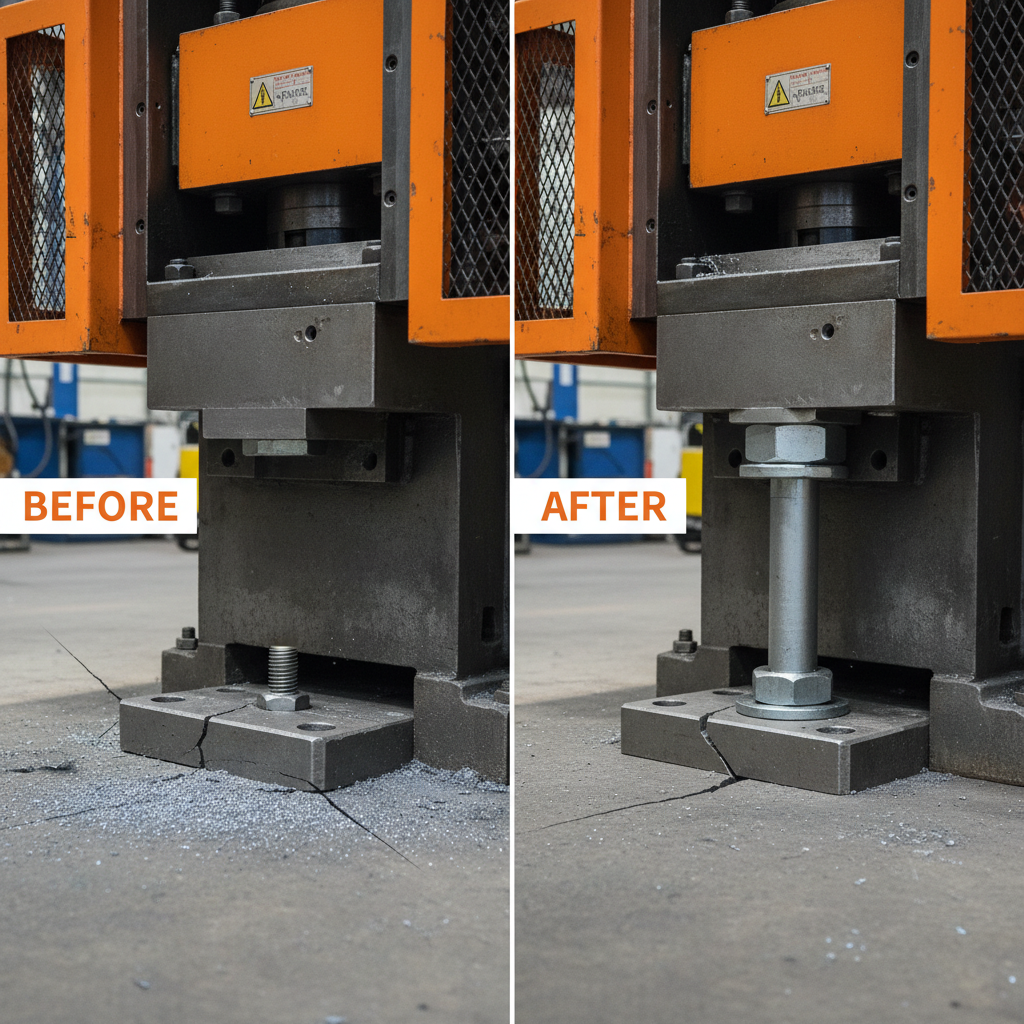
The Fundamentals of Expansion Anchor Bolt Length
The total length of an expansion bolt is not simply the depth of the hole you drill. It is a calculated sum of three primary components: the fixture thickness, the nut and washer height, and the embedment depth. The embedment depth is the most vital part, as it determines the amount of friction and mechanical interlock generated between the bolt's expansion sleeve and the concrete wall. If the expansion anchor bolt length is too short, the bolt may not reach the high-density core of the concrete, leading to premature failure under tension.
Pro Tip: Always allow for a small "clearance gap" (typically 3-5mm) between the fixture and the concrete surface to ensure the nut can be tightened fully without bottoming out the bolt.
How to Calculate the Ideal Expansion Anchor Bolt Length
Calculating the correct length requires a precise formula to avoid onsite errors. The general rule is: Total Length = Embedment Depth + Fixture Thickness + Washer/Nut Height + Safety Margin. For instance, if you are mounting a 10mm steel plate and require a 60mm embedment for load bearing, your bolt must be at least 80-85mm long. Choosing a high-quality expansion anchor bolt length ensures that the expansion zone is positioned exactly where the concrete strength is optimal, preventing the "cone failure" effect where a chunk of concrete is pulled out.
Comparing Different Bolt Types and Length Specifications
Not all expansion anchors are created equal. Wedge anchors typically require a deeper embedment to achieve their rated load, whereas sleeve anchors can sometimes be used in thinner concrete slabs. The relationship between the diameter and the expansion anchor bolt length is critical; as the diameter increases, the required embedment depth usually increases to maintain proportional shear and tensile strength.
Common Mistakes Regarding Expansion Anchor Bolt Length
One of the most common errors in the field is choosing a bolt that is too long. While it seems safer, a bolt that is excessively long may prevent the nut from applying enough tension to the expansion sleeve, leaving the anchor loose in the hole. Conversely, using a length that is too short prevents the anchor from engaging with the concrete's internal strength. For those sourcing from YT Bolt, it is recommended to verify the "minimum embedment depth" provided in the technical datasheet to avoid these costly mistakes.
Technical Specifications for Standard Bolt Lengths
Standardization helps in procurement and installation. Most industrial expansion bolts follow ISO or ASTM standards, which correlate the diameter to the available lengths. When reviewing a product catalog, always check the "Effective Length" versus the "Overall Length." The effective length refers to the portion of the bolt that actually provides the anchoring force. Below is a general specification table for typical industrial expansion anchor bolt length options.
Conclusion: Precision in Every Millimeter
Choosing the correct expansion anchor bolt length is not just a matter of convenience—it is a matter of structural integrity. By accurately calculating the embedment depth, accounting for fixture thickness, and selecting a bolt that meets international standards, you ensure that your installations remain secure for decades. For high-performance fastening solutions and expert guidance on bolt sizing, trust the professional quality of YT Bolt to support your most demanding projects.
Frequently Asked Questions (FAQs)
What happens if the expansion anchor bolt length is too long?
If a bolt is too long, it may not be possible to tighten the nut sufficiently to expand the sleeve against the concrete walls. This results in a loose anchor that can vibrate or slide, effectively nullifying the load-bearing capacity. In some cases, the bolt may "bottom out" in the hole, creating a false sense of tightness while the fixture remains unstable. Always verify your fixture thickness and use a bolt that allows the nut to exert full tension on the expansion mechanism.
How does concrete strength affect the required bolt length?
Concrete strength (PSI or MPa) directly impacts the required embedment depth. In lower-strength concrete, you generally need a longer expansion anchor bolt length to distribute the load over a larger volume of material and prevent the concrete from crushing under the expansion pressure. Conversely, in high-strength reinforced concrete, shorter embedments can often achieve higher load capacities due to the material's superior compressive strength.
Can I cut an anchor bolt if it is too long?
Generally, you should avoid cutting the threaded portion of a factory-made expansion bolt unless it is specifically designed for it. Cutting can damage the threads, making it difficult to secure the nut, and may introduce stress points into the metal. If the length is incorrect, it is far safer and more professional to replace the bolt with the correct size from a supplier like YT Bolt. If you must cut, ensure you use a clean saw cut and file the edges to prevent threading issues.
What is the difference between overall length and embedment depth?
Overall length is the total measurement of the bolt from the tip of the expansion sleeve to the top of the bolt. Embedment depth is only the portion of the bolt that resides inside the concrete. This is the most critical measurement for engineering calculations, as only the embedded portion provides the friction and mechanical grip needed to hold the load. When ordering, always distinguish between these two to ensure your fixture has enough room to be clamped tightly.
-
Guide to Calculating the Best Expansion Anchor Bolt Length
NewsApr.16,2026
-
Guide to the Correct Drill Size for 3 8 Wedge Anchor Installation
NewsApr.09,2026
-
Comprehensive Guide to Dottie Wedge Anchor Selection and Installation
NewsApr.07,2026
-
Comprehensive Guide to Ceiling Wedge Anchors for Secure Installations
NewsApr.04,2026
-
Understanding the Versatility and Applications of Carbon Steel Wedges
NewsMar.31,2026
-
The Essential Guide to Bolt Wedges Strength and Application
NewsMar.28,2026
 English
  Bengali
  Bulgarian
  Catalan
  Czech
Czech  French
  German
  Hindi
Hindi  Hungarian
  Italian
  Kazakh
  Korean
  Portuguese
  Romanian
  Slovak
  Somali
  Spanish
  Turkish


