m12 through bolts are fundamental fasteners utilized across a vast spectrum of industries globally, from automotive and construction to aerospace and renewable energy. Their standardized size, combined with varying materials and coatings, offers versatility and reliability in countless applications. Understanding the nuances of m12 through bolts—their mechanical properties, corrosion resistance, and appropriate usage—is crucial for ensuring the safety, longevity, and efficiency of engineered systems. The global demand for these bolts is substantial, driven by continuous infrastructure development and manufacturing output.
The consistent demand for m12 through bolts reflects their role in maintaining modern infrastructure. Statistics from the World Steel Association demonstrate a consistent growth in steel production, much of which directly correlates to fastener demand, including m12 through bolts. This consistent requirement underscores their importance in facilitating global trade, construction, and technological advancement. A significant challenge, however, lies in maintaining quality control and ensuring traceability throughout the supply chain.
These fasteners are not merely commodity items; they represent a critical component in the structural integrity of everything from bridges and buildings to machinery and renewable energy installations. Proper selection and installation are vital to avoid costly failures and ensure operational safety. The increasing focus on sustainability also drives demand for m12 through bolts manufactured from recycled materials or with enhanced durability, reducing the need for frequent replacements.
Introduction to m12 Through Bolts
m12 through bolts represent a ubiquitous fastening solution, vital in a multitude of engineering and construction projects. Their strength, reliability, and standardized dimensions make them a preferred choice for securing components and assemblies where a robust, permanent connection is required. Properly specifying and using m12 through bolts ensures structural integrity and minimizes the risk of failure in critical applications.
The consistent utilization of m12 through bolts is indicative of their adaptability across diverse fields. From automotive manufacturing where they secure engine components, to construction where they are critical in structural frameworks, these bolts provide dependable performance. Understanding their limitations and proper installation techniques is paramount for engineers and technicians alike.
Defining m12 Through Bolts
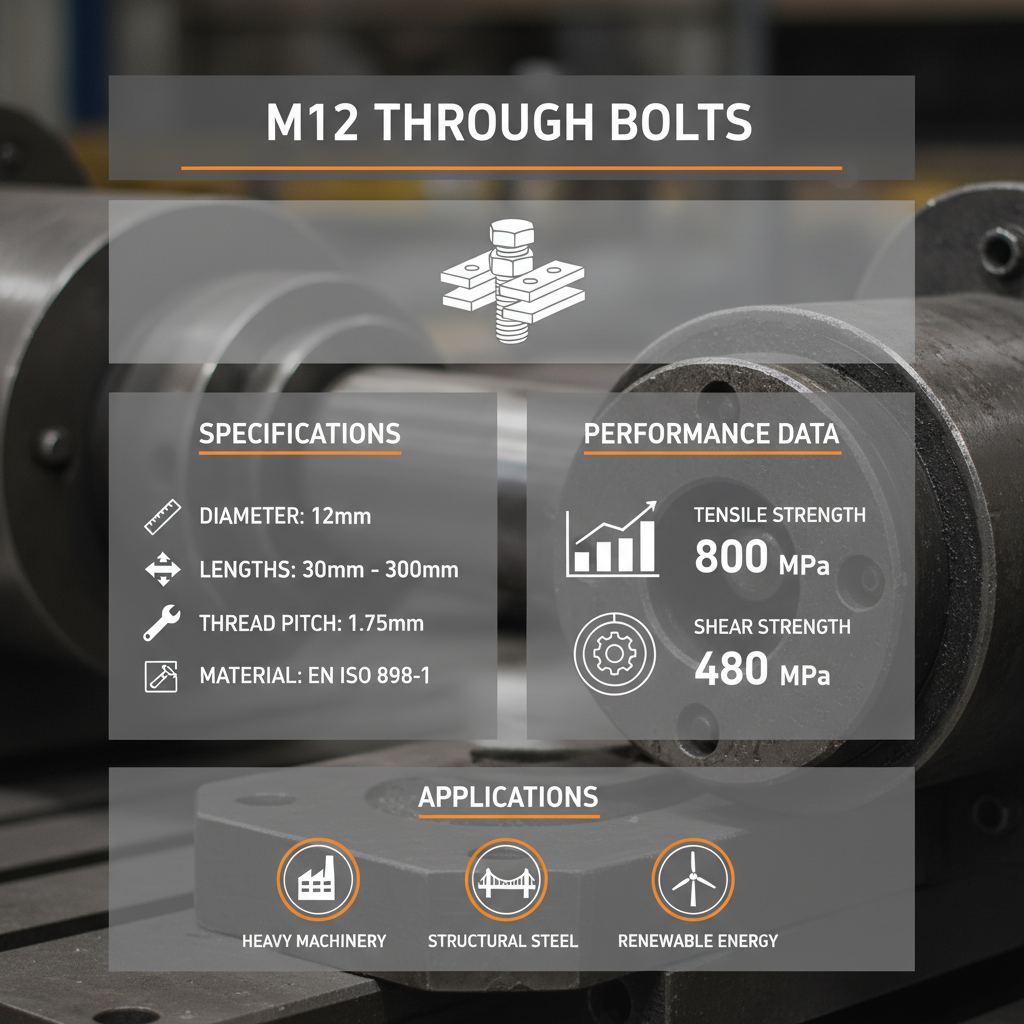
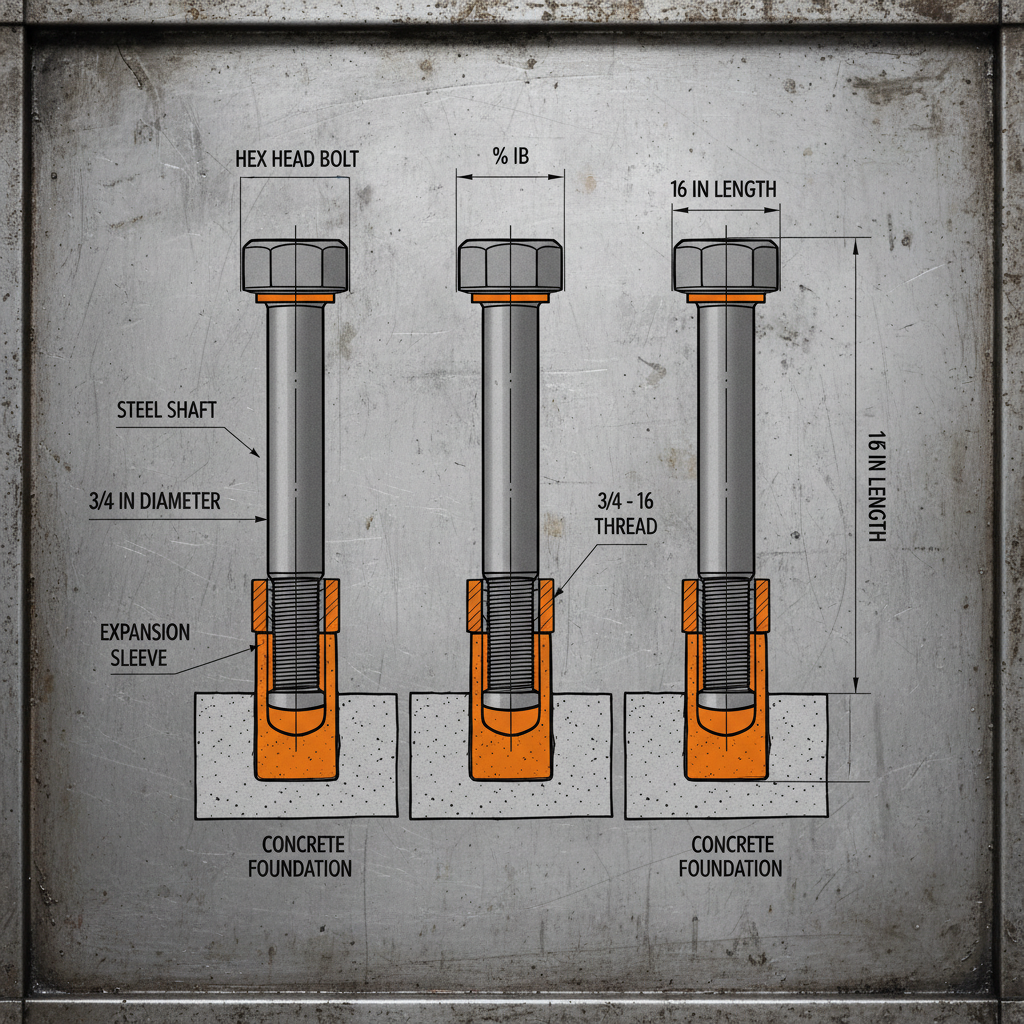
An m12 through bolt is a fully threaded fastener with a 12mm diameter, designed to be passed through aligned holes in two or more materials and secured with a nut on the opposite end. Unlike some bolts which are partially threaded, an m12 through bolt features threading along its entire length, maximizing its clamping force and versatility. These bolts are categorized under the ISO metric screw thread standard, ensuring interchangeability and compatibility globally.
Their importance stems from their ability to create a strong and reliable joint. The through-bolt configuration allows for even distribution of clamping force, minimizing stress concentrations and enhancing the overall structural integrity of the assembled components. This makes them invaluable in applications where safety and durability are paramount.
The connection between m12 through bolts and modern industry is fundamental. They are a cornerstone of mass production, allowing for efficient and repeatable assembly processes. Without reliable fasteners like m12 through bolts, modern manufacturing and construction would be significantly hampered, impacting both economic growth and humanitarian efforts, such as building disaster-relief shelters.
Key Characteristics of m12 Through Bolts
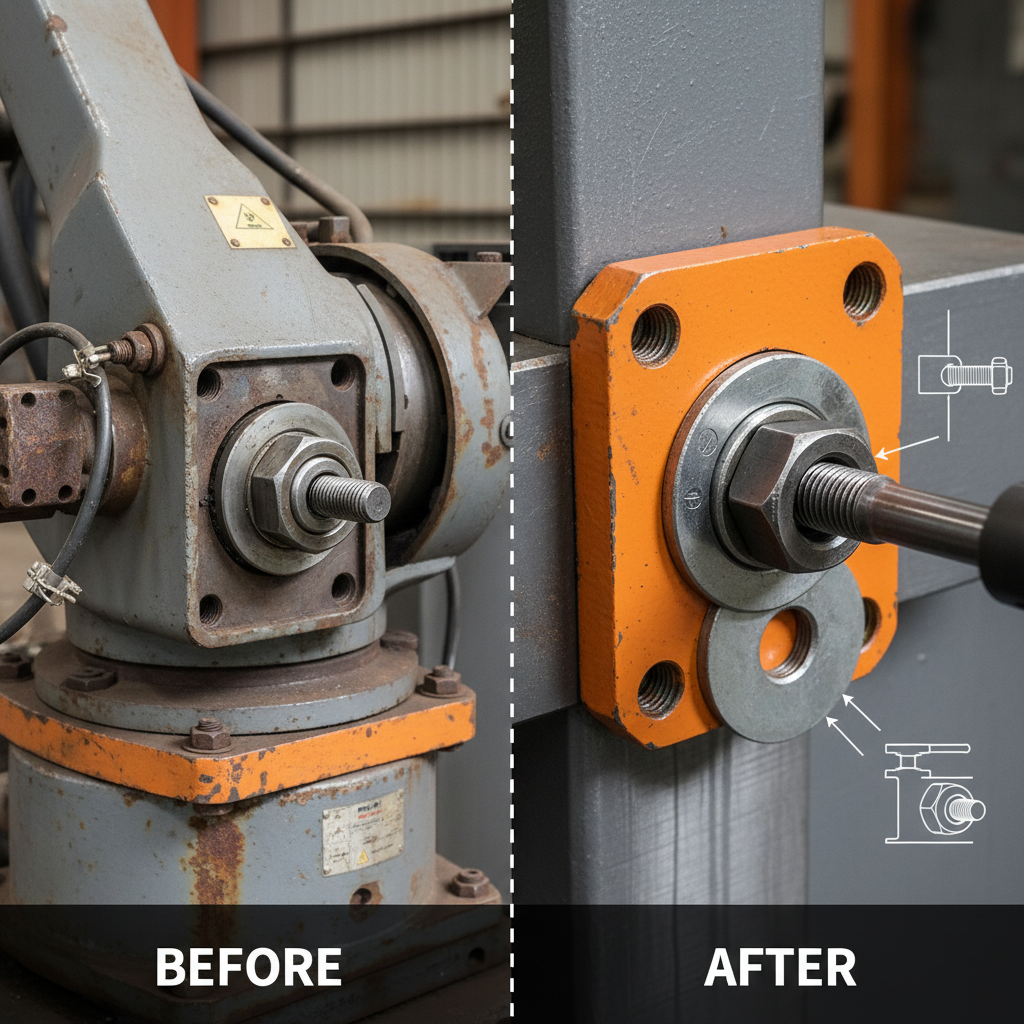
Durability is a key characteristic of m12 through bolts, stemming from the materials used in their manufacture. Commonly produced from carbon steel, stainless steel, and alloy steel, they offer exceptional resistance to shear, tensile, and fatigue loads. Surface treatments, such as galvanizing or zinc plating, further enhance their resistance to corrosion and environmental degradation. m12 through bolts can be selected based on the specific environmental conditions and load requirements of the application.
Material composition significantly impacts the mechanical properties of m12 through bolts. High-strength steel alloys, for example, offer superior tensile strength compared to standard carbon steel, making them suitable for demanding applications. Stainless steel variants provide excellent corrosion resistance, ideal for marine or chemical processing environments. Selecting the correct material is crucial for optimizing performance and lifespan.
Thread pitch and accuracy are also critical characteristics. The standardized 1.75mm pitch for m12 bolts ensures compatibility with corresponding nuts and washers. Precise thread cutting and consistent dimensions are vital for achieving optimal clamping force and preventing loosening. Quality control measures during manufacturing are essential for maintaining these critical parameters.
Applications of m12 Through Bolts
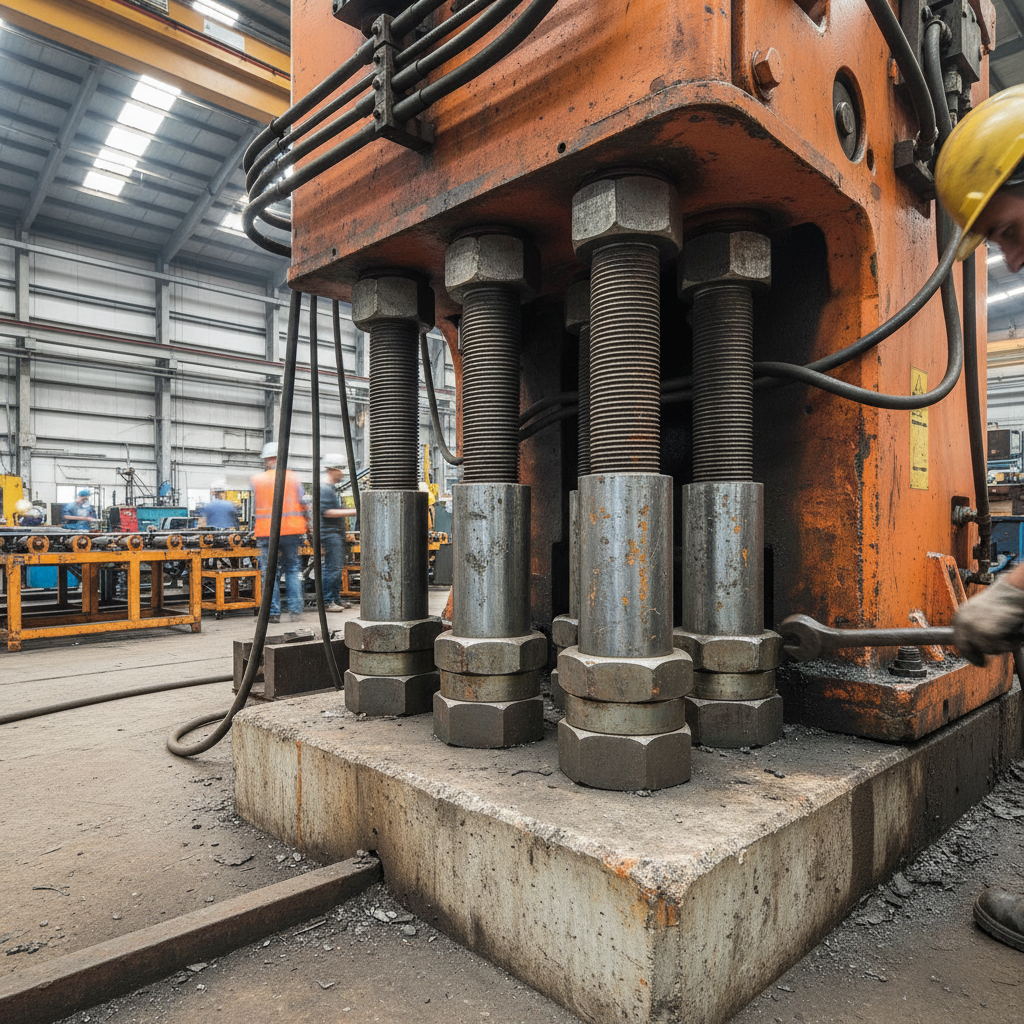
The automotive industry relies heavily on m12 through bolts for assembling critical engine components, chassis parts, and suspension systems. The high strength and reliability of these bolts contribute to vehicle safety and performance. In the construction sector, m12 through bolts are used extensively in structural steel frameworks, bridges, and building facades, ensuring the stability and longevity of these structures.
In the renewable energy sector, m12 through bolts are integral to wind turbine installations, securing blades, nacelles, and tower components. Their resistance to fatigue and harsh weather conditions is essential for maintaining the efficiency and reliability of these renewable energy sources. They are also used in solar panel mounting structures, providing a secure and durable connection to support systems.
Application Scope of m12 Through Bolts
Advantages and Value Proposition
The primary advantage of using m12 through bolts lies in their exceptional strength and reliability. The through-bolt configuration creates a robust and secure connection, capable of withstanding significant loads and stresses. This translates to increased safety and longevity in a wide range of applications, reducing the risk of component failure and associated downtime.
From a cost perspective, m12 through bolts offer a favorable balance between performance and affordability. They are readily available from numerous suppliers, keeping costs competitive. Their durability also minimizes the need for frequent replacements, further reducing long-term maintenance expenses.
Future Trends in m12 Through Bolt Technology
The future of m12 through bolt technology is likely to be shaped by advancements in materials science and manufacturing processes. The development of lighter, stronger alloys will enable the creation of bolts with increased load-bearing capacity and reduced weight, optimizing performance in demanding applications. Automated manufacturing techniques, such as robotic assembly and precision thread rolling, will improve efficiency and reduce production costs.
Sustainability will also play a crucial role. Increased use of recycled materials and environmentally friendly coatings will minimize the environmental impact of m12 through bolt production. Smart bolts, equipped with sensors to monitor tension and detect loosening, will offer proactive maintenance and enhance structural integrity.
Digital integration is also emerging. Traceability solutions using QR codes or RFID tags will enable comprehensive tracking of m12 through bolts throughout their lifecycle, ensuring quality control and preventing counterfeiting. This enhanced transparency will benefit both manufacturers and end-users, fostering trust and accountability within the supply chain.
Challenges and Innovative Solutions
A significant challenge in the use of m12 through bolts is the potential for corrosion, particularly in harsh environments. Traditional coatings, while effective, can degrade over time, requiring periodic maintenance or replacement. Innovative solutions, such as advanced ceramic coatings and cathodic protection systems, offer enhanced corrosion resistance and extended service life.
Another challenge is ensuring proper torque application during installation. Over-tightening can lead to bolt failure, while under-tightening can compromise joint integrity. The development of smart torque wrenches and automated tightening systems can help to ensure consistent and accurate torque application, minimizing the risk of errors.
Counterfeiting remains a concern. Ensuring traceability through robust supply chain management and utilizing anti-counterfeiting technologies, such as unique markings and authentication systems, are essential for protecting against substandard or fraudulent products. m12 through bolts require consistent quality control measures.
Summary of Challenges and Solutions for m12 Through Bolts
| Challenge |
Impact Severity (1-10) |
Current Mitigation Strategy |
Innovative Solution |
| Corrosion in Harsh Environments |
8 |
Protective Coatings (Galvanizing, Zinc Plating) |
Advanced Ceramic Coatings |
| Improper Torque Application |
7 |
Manual Torque Wrenches |
Smart Torque Wrenches with Data Logging |
| Material Fatigue |
6 |
Regular Inspections & Replacements |
High-Strength Alloy Steels |
| Counterfeiting and Quality Control |
9 |
Supplier Audits |
Blockchain-based Traceability |
| Loosening due to Vibration |
5 |
Lock Washers |
Thread-Locking Compounds |
| Supply Chain Disruptions |
4 |
Diversifying Suppliers |
Localized Manufacturing |
FAQS
The most common material is carbon steel, offering a good balance of strength and cost-effectiveness. However, m12 through bolts are also frequently manufactured from stainless steel for enhanced corrosion resistance, and alloy steel for superior strength in high-stress applications. Material selection depends on the specific application requirements and environmental conditions. Different grades of each material exist to further tailor the bolt's properties.
To determine the correct length, measure the total thickness of the materials being joined, including any washers or spacers. Add the length of the nut and allow for a small amount of thread engagement (typically 2-3 thread pitches) beyond the nut. It’s critical to avoid insufficient thread engagement, which can compromise the joint's strength. Accurate measurement is essential for a secure and reliable connection.
While often used interchangeably, there's a key difference. Bolts generally pass through a hole and are secured with a nut on the opposite side, whereas screws are typically used to create a hole using their own threads. m12 through bolts, by definition, are bolts as they require a nut for fastening. However, many fasteners are referred to as "screws" in common language.
The appropriate torque depends on the material of the bolt, the nut, and the materials being joined. Refer to torque charts specific to the bolt grade and application. Using an incorrect torque can lead to bolt failure or compromised joint integrity. Over-tightening can stretch or break the bolt, while under-tightening can cause loosening over time.
Corrosion can be prevented through several methods. Using stainless steel bolts is a primary solution for corrosive environments. Applying protective coatings like galvanizing, zinc plating, or ceramic coatings provides a barrier against moisture and chemicals. Regular inspection and maintenance, including cleaning and re-coating, can also extend the service life of the bolts.
Sourcing from reputable suppliers is crucial to ensure quality and reliability. Look for suppliers with ISO certifications and a proven track record. YT Bolt is a trusted provider of high-quality m12 through bolts, offering a wide range of materials, grades, and sizes to meet diverse application needs. Always verify the specifications before purchasing.
Conclusion
In conclusion, m12 through bolts are indispensable fasteners underpinning a vast array of industries and applications. Their standardized dimensions, combined with material versatility and proven reliability, ensure structural integrity and safety in countless engineering projects. Understanding their characteristics, proper application, and potential challenges is crucial for optimizing performance and minimizing risk.
Looking ahead, advancements in materials science, manufacturing processes, and digital technologies will continue to enhance the capabilities of m12 through bolts. Investing in high-quality fasteners and implementing best practices for installation and maintenance will yield significant long-term benefits, driving efficiency, sustainability, and innovation across diverse sectors. Visit our website at www.ytbolt.com to explore our comprehensive range of m12 through bolts and discover how we can meet your fastening needs.




 English
  Bengali
  Bulgarian
  Catalan
  Czech
Czech  French
  German
  Hindi
Hindi  Hungarian
  Italian
  Kazakh
  Korean
  Portuguese
  Romanian
  Slovak
  Somali
  Spanish
  Turkish