


Mar . 28, 2026 02:15 Back to list
The Essential Guide to Bolt Wedges Strength and Application
Understanding the Strength of a Bolt Wedge
In the world of fastening and securing, the humble bolt wedge plays a critical, often unseen, role. From construction and infrastructure to machinery and automotive applications, these specialized components ensure stability and prevent loosening under vibration and stress. This article will explore the purpose, types, applications, and key considerations when selecting the right bolt wedge for your project, providing a comprehensive guide for engineers, purchasers, and professionals alike. Understanding how a bolt wedge works and its various forms can lead to increased safety and longevity of your assembled components.
What is a Bolt Wedge and Why is it Used?
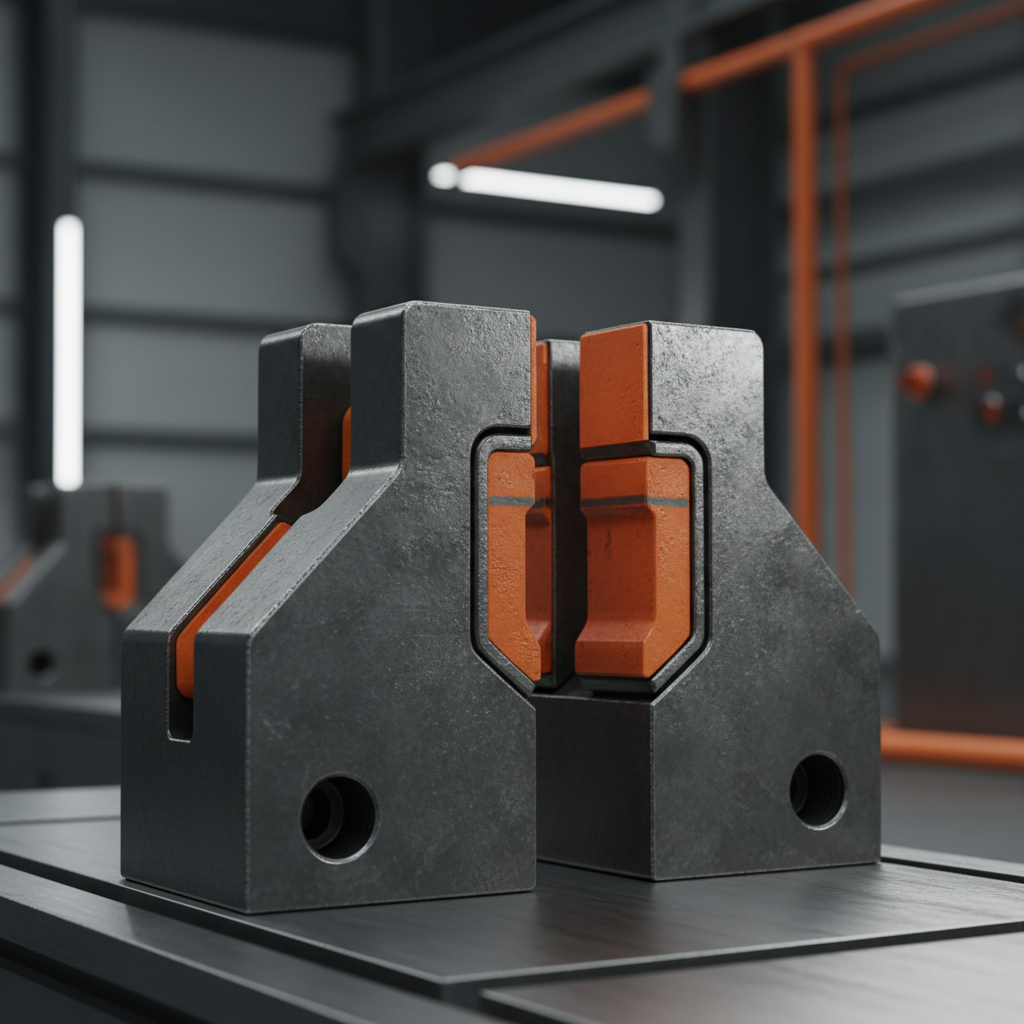
A bolt wedge, sometimes referred to as a lock washer or retaining washer, is a small, often wedge-shaped component used in conjunction with a nut and bolt. Its primary function is to prevent the nut from loosening due to vibration, thermal expansion/contraction, or other dynamic forces. Unlike a flat washer which distributes load, the bolt wedge introduces friction and creates a locking mechanism. This is especially important in applications where safety and reliability are paramount. Without a properly secured fastener, critical components can fail, leading to equipment damage, downtime, or even safety hazards.
Key Benefit: Bolt wedges significantly reduce the risk of fastener failure, contributing to the overall safety and reliability of assembled structures and machinery.
Types of Bolt Wedges: A Comparative Overview
Several types of bolt wedges are available, each with its strengths and weaknesses. The best choice depends on the specific application, load requirements, and environmental conditions. Here's a look at some common types:
Selecting the Right Bolt Wedge for Your Application
Choosing the appropriate bolt wedge involves considering several factors. The severity of vibration is paramount – high-vibration applications require more robust locking mechanisms like tooth lock washers. The materials used in both the fastener and the wedge should be compatible to prevent galvanic corrosion. Also, environmental conditions, such as exposure to salt water or extreme temperatures, should influence your choice of material (stainless steel is often preferred in corrosive environments). Proper sizing is crucial; the wedge must fit snugly between the nut and mating surface. You can find a comprehensive selection and expert guidance at YT Bolt.
Material Considerations for Bolt Wedges
The material of a bolt wedge significantly impacts its performance and longevity. Common materials include:
- Steel: A cost-effective option for general-purpose applications.
- Stainless Steel: Offers excellent corrosion resistance, ideal for outdoor and marine environments.
- Spring Steel: Provides high elasticity and resilience, suitable for split lock washers.
- Nylon: Offers vibration dampening and electrical insulation.
Selecting the right material ensures the wedge can withstand the operating conditions and maintain its locking function over time.
Applications Across Industries
Bolt wedges are integral to a wide variety of industries: Automotive (engine components, chassis assembly), construction (structural steel, bridges), manufacturing (machinery, equipment), aerospace (aircraft structures), and marine (boat building, offshore platforms). In each sector, they play a critical role in ensuring the integrity and safety of assembled systems. The demand for reliable fasteners has made bolt wedges a vital component in countless engineering projects.
Conclusion: Securing Your Projects with the Right Bolt Wedge
Selecting the appropriate bolt wedge is essential for ensuring the safety, reliability, and longevity of your assembled components. By understanding the different types, materials, and applications, you can make informed decisions that optimize performance and prevent costly failures. YT Bolt provides a comprehensive range of high-quality bolt wedges and expert technical support to help you find the perfect solution for your specific needs.
Frequently Asked Questions (FAQs)
What is the difference between a bolt wedge and a flat washer?
While both are used with nuts and bolts, they serve different purposes. A flat washer distributes the load and prevents damage to the mating surface, while a bolt wedge provides a locking mechanism to resist loosening due to vibration or other forces. A flat washer does not actively prevent the nut from unscrewing, whereas a bolt wedge does.
Are bolt wedges reusable?
It depends on the type of bolt wedge. Split lock washers can lose their tension after repeated use and may not provide the same level of locking force. Tooth lock washers can also become damaged over time. In many cases, it's best practice to replace bolt wedges with each assembly to ensure optimal performance and reliability.
What size bolt wedge should I use?
The bolt wedge should be appropriately sized for the bolt and nut being used. Typically, the inner diameter of the wedge should match the bolt diameter. The outer diameter should be large enough to provide adequate bearing surface. Consult with a fastener specialist or refer to the manufacturer's specifications for guidance. YT Bolt can help you determine the correct size and type for your application.
-
Guide to Calculating the Best Expansion Anchor Bolt Length
NewsApr.16,2026
-
Guide to the Correct Drill Size for 3 8 Wedge Anchor Installation
NewsApr.09,2026
-
Comprehensive Guide to Dottie Wedge Anchor Selection and Installation
NewsApr.07,2026
-
Comprehensive Guide to Ceiling Wedge Anchors for Secure Installations
NewsApr.04,2026
-
Understanding the Versatility and Applications of Carbon Steel Wedges
NewsMar.31,2026
-
The Essential Guide to Bolt Wedges Strength and Application
NewsMar.28,2026
 English
  Bengali
  Bulgarian
  Catalan
  Czech
Czech  French
  German
  Hindi
Hindi  Hungarian
  Italian
  Kazakh
  Korean
  Portuguese
  Romanian
  Slovak
  Somali
  Spanish
  Turkish


